

Estimates have shown that the world produces over 2 billion tons of waste annually—and more than a third of this generated waste is not disposed of responsibly.
From that figure, a 2021 report has shown that Australians produce about 75 million tonnes of waste, which rounds out to about 2.95 tonnes of waste generated per person.
While government measures like the National Waste Policy Action Plan have been set in place to decrease the impact of trash accumulation, the reality is that waste production continues to increase year after year on all fronts in Australia.
While many corporations and entities continue to dispose of harmful waste irresponsibly, it’s important to focus on things you can control. It’s always better to employ responsible rubbish disposal practices on a personal level too.
In this article, we’ll give you a rundown of the best practices for rubbish disposal in Australia. We’ll also give some tips on how to reduce your waste generation in general.
Let’s begin!
Australia Waste Classification
Understanding where different types of trash should go is a key part of disposing of waste responsibly.
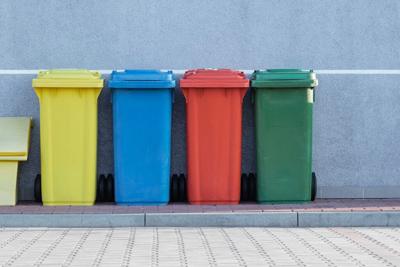
In Australia, there are four main bin types for a standard household. These bins are classified by their lid colors. They are as follows:
Red bin: General wastes that cannot be reused, recycled or composted, such as packaging materials, cigarette sticks, and disposable cups
Yellow bin: Recyclables and mixed-recyclables like glass bottles, plastic bottles, paper towels, and thin sheets of aluminum foil
Green bin: Organic waste like tea bags, food scraps, and leaf clippings
Blue bin: Other general wastes that aren’t compostable or recyclable typically generated in households, such as newspapers, cereal boxes, toilet paper rolls, and magazines
Some household waste isn’t meant to be placed in any of these council bins. These typically consist of hazardous products and electronic wastes. These products are supposed to be brought to a local recycling facility for them to be properly disposed of.
Unsure what these items are?
Found below are some household items that shouldn’t be discarded in any of the council bins:
Light bulbs
Tires
Scrap metal
Batteries
Electronics
Paint
Don’t want to undergo the process of sorting through your trash yourself? You’re in luck, as there are cleaning experts that can do the dirty work for you.
Get in touch with expert rubbish removalists in the Sydney area to get your rubbish needs sorted out without hassle.
4 Best Practices for Waste Management
It’s important to uphold the four R’s of waste management if you aim to conserve natural resources.
The four R’s are:
Reduce: Mindful purchasing behavior and reducing waste, in general, is the first step to proper rubbish disposal. Avoid buying items with excessive packaging or things you don’t need.
Reuse: Avoid throwing away things that can still be used. For instance, a glass jar can be reused to store food items like cookies or kombucha.
Repurpose: Repurposing involves finding a new use for an item instead of discarding it. For example, if you have torn shirts, you can sew them into a rag. It involves transforming the waste into something different yet usable.
Recycle: Recycling involves processing waste materials into renewed, usable products. This is the last part of the list as recycling material still takes processing resources to run, but it’s still beneficial as it prevents items from getting thrown into landfills.
By practicing these four R's, you can contribute significantly to conserving natural resources in Australia and making it more livable now and for the future to come.
Extra Tips on Reducing Waste Generation
While the four R’s serve as an excellent foundation to structure your behavior towards rubbish disposal, there are a few additional ways to become more responsible with rubbish.
Here are some extra tips on reducing your waste and becoming a greener Aussie.
1. Practice a Minimalist Lifestyle
Living a minimalist lifestyle is not simply about owning as few things as possible. Rather, it's about intentional living—keeping only a few essential items that serve a purpose or bring you joy.
When you practice minimalism, you’re avoiding impulse purchases and getting only the things you need. What naturally follows is a decreased consumption and production of waste.
2. Buy Second Hand Goods
Want something badly but feel terrible contributing to packaging waste? If so, you can consider buying secondhand products instead.
Buying pre-owned things is an excellent way to reduce waste since you’re essentially reducing the demand for the brand-new version of a product. This means that fewer resources will be expended on the manufacturing of the product, leading to less waste and fuel emissions.
You can get practically anything second-hand, from books and electronics to clothing and shoes. Going this route is not only better for the environment, but you’re also saving a bit of your cash if you find an especially good deal.
3. Compost Organic Materials
Into gardening? Produce a lot of food scraps and leftovers in your household? Then you should seriously consider composting these waste products.
Repurposing your organic waste into compost is a great way to lessen your organic waste. Vegetable scraps, fruit peels, coffee grounds, and yard waste can be mixed and turned into nutrient-rich soil that can help bring life to your garden plants.
4. Get Creative with DIY Projects
Have a creative eye and a spare afternoon? Consider rounding up some items in your general waste bin and ideating ways you can turn these materials into DIY projects.
Whether it’s an old piece of furniture or some paper scraps, there are dozens of ways you can turn random bits of trash into something truly extraordinary. You can make your DIY project as simple as a table decoration or as complicated as an up-cycled chair. The choice is yours.
Also, there's a special joy in making something useful and nice to look at, and showing it off to guests!
Practicing Rubbish Disposal Beyond Personal Action
While responsible rubbish removal starts at home, there are many opportunities for you to extend your waste management efforts into your local community.
Here are a couple of ways you can become proactive in your relationship with rubbish:
Visit waste management facilities: Take the time to bring your trash to your local waste facilities, whether it’s the recycling centers hazardous waste disposal facilities, or composting stations. From there, take the time to educate yourself about their processing methods.
Participate in clean-up drives: Whether it’s river cleaning, shore cleaning, or other community-led cleaning events, taking part in these drives can be a good way to connect with like-minded people and play a role in tidying up the community.
Lead initiatives: Is your town or city neglecting trash in some areas? Consider taking up the torch and organizing a clean-up event yourself. If you lack the resources, partner up with local volunteer groups to help you man this initiative.
The earth is a beautiful place that deserves to be protected. Do play a part in keeping it habitable now and for generations to come.
Happy cleaning!
Here are Some Other Articles Related to Your Search:
Upcycling and Repurposing: How to Give Old Items New Life in Your Home
(0) comments
We welcome your comments
Log In
Post a comment as Guest
Keep it Clean. Please avoid obscene, vulgar, lewd, racist or sexually-oriented language.
PLEASE TURN OFF YOUR CAPS LOCK.
Don't Threaten. Threats of harming another person will not be tolerated.
Be Truthful. Don't knowingly lie about anyone or anything.
Be Nice. No racism, sexism or any sort of -ism that is degrading to another person.
Be Proactive. Use the 'Report' link on each comment to let us know of abusive posts.
Share with Us. We'd love to hear eyewitness accounts, the history behind an article.