
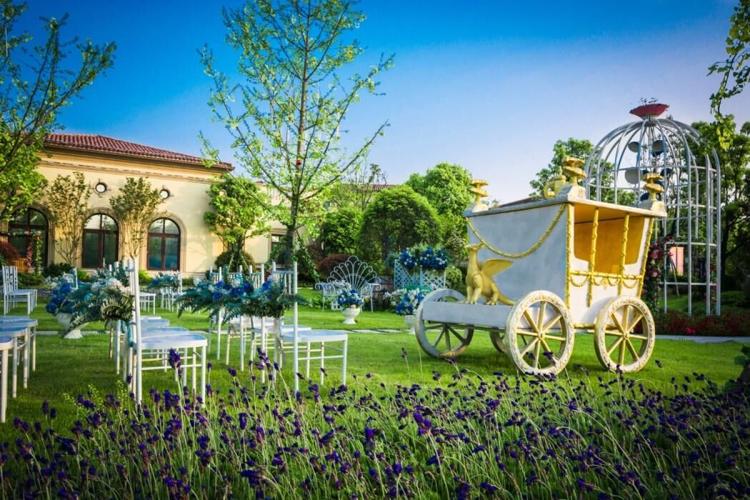


Garden weddings have a way of feeling both grand and intimate at the same time. Greenery, natural light, and open space do a lot of the decorating work before you even add a single flower.
Planning one well means thinking through a few key pieces early, from the venue itself to what your guests will be wearing on the day. This guide walks through each stage in order.
Why Garden Weddings Are Still So Popular
Outdoor settings give couples a backdrop that feels romantic without requiring heavy styling. A well-chosen garden already has texture, colour, and shape built in, which takes pressure off the decor budget.
They also tend to photograph beautifully in almost any season, since natural light and greenery are far more forgiving than a plain indoor function room.
Step 1: Choosing the Right Garden Venue
The venue sets the tone for everything else, from the florals you choose to the dress code you set for guests. It is worth visiting a shortlist of venues in person before making a decision, since photos rarely capture how a space actually feels.
What to Look for in a Garden Setting
Look closely at how the space handles both ceremony and reception needs, since some gardens are better suited to one than the other. Shade coverage, accessible pathways, and a wet-weather backup all matter more than they might seem to at first.
If you are still searching for the right setting, it is worth taking the time to find beautiful garden wedding venues that can host both your ceremony and reception without requiring a second location. Gardens House by Atlantic Group is one example of a venue built specifically around this kind of layered garden setting, with indoor and outdoor spaces that work together.
Ask any venue you are considering how they handle the transition between ceremony and reception, since a smooth changeover matters more to guests than most couples expect.
Booking Timelines Worth Knowing
Garden venues with strong reputations tend to book out well over a year ahead, particularly for weekend dates during spring and early autumn. If you have a specific date in mind, starting the venue search as early as possible gives you the best shot at securing it.
It also helps to ask each venue about their capacity limits and any restrictions on decor, music, or timing, since gardens often come with council rules that a standard function room would not have. These details rarely make it into a venue's marketing but can shape your entire day.
Step 2: Planning Your Florals Around the Space
Once the venue is locked in, florals are the next major decision, and they work best when they respond to the setting rather than compete with it. A garden already rich with greenery often needs less floral density than a plain indoor room would.
Our earlier piece on making your wedding unique with a flower arrangement goes into more detail on how to personalise floral choices around a couple's own taste rather than following a generic template.
Working With a Local Florist
A florist who has worked in your chosen venue before can be a genuine advantage, since they will already understand the light, the space, and what tends to hold up well outdoors for a full day of celebrations. That kind of familiarity often shows in the final result.
Timing Your Floral Orders Correctly
Fresh flowers need careful timing, since ordering too early risks blooms peaking before the day and ordering too late risks limited availability of seasonal varieties. A good florist will talk you through what is realistically in season for your wedding date.
It also helps to confirm delivery and setup logistics well ahead of time, particularly for garden venues where arrangements need to be placed outdoors and may need extra protection from wind or direct sun earlier in the day.
Step 3: Dressing for the Occasion

With the venue and florals sorted, attention naturally turns to what everyone will be wearing. Garden weddings tend to call for lighter fabrics and softer silhouettes than a formal indoor event, partly for comfort and partly to suit the setting.
What to Wear as a Guest or Host
Guests are often unsure how formal to dress for an outdoor wedding, so a clear dress code on the invitation helps avoid confusion. Flowing fabrics, breathable materials, and comfortable footwear all tend to work better on grass and uneven garden paths than structured, heavier pieces.
Fabric and Colour Choices That Suit an Outdoor Setting
Lightweight fabrics like cotton, linen, and soft crepe tend to hold up far better than heavier materials once the sun is out and guests are standing on grass for extended periods. Structured fabrics that look sharp indoors can feel stiff and overly warm in a daytime garden setting.
Colour palettes also tend to shift slightly for garden events, with soft pastels, botanical prints, and earthy tones generally reading better against greenery than stark, high-contrast colours. This is worth keeping in mind whether you are choosing your own outfit or setting guidance for your bridal party.
For hosts, bridal party members, or guests looking for something suited to the setting, it is worth taking a moment to browse cocktail garden party dresses online before the big day. Elysian Collective is one option offering pieces designed specifically with outdoor, garden-style events in mind.
Choosing footwear carefully matters just as much as the outfit itself, since heels can sink into soft lawn and cause more discomfort than the dress ever would.
Weather Planning and Backup Options
Even the most carefully chosen garden venue needs a wet-weather plan, since outdoor events are always somewhat at the mercy of the forecast. Ask your venue exactly what their backup looks like, not just whether one exists.
A tent or marquee option that can be set up on short notice is worth confirming well before the big day, along with how much lead time the venue needs to make that call.
Common Mistakes Couples Make
Underestimating seasonal timing is a frequent issue, since gardens look very different depending on when flowers are in bloom. Visiting the venue at the same time of year as your planned wedding date gives a far more accurate picture than an off-season visit.
Another common mistake is not accounting for guest comfort, including shade, seating, and accessible pathways for older guests or anyone with mobility needs. A beautiful garden setting still needs practical thought behind it.
A garden wedding rewards couples who plan each layer with intention, from the venue and florals down to what guests wear on the day. Getting these pieces to work together, rather than choosing each in isolation, is what makes the final result feel cohesive.
With the right venue, a florist who understands the space, and outfits suited to an outdoor setting, a garden wedding can deliver exactly the relaxed, romantic feel most couples are hoping for.
Frequently Asked Questions
1. How far in advance should we book a garden wedding venue? Popular garden venues are often booked out well over a year in advance, especially for weekend dates during peak wedding season, so it is worth starting the venue search early.
2. Do garden weddings need more or less floral decoration than indoor venues? Many garden settings need less floral decoration than an indoor space, since the natural greenery and light already provide texture and colour that would otherwise need to be created artificially.
3. What should guests avoid wearing to an outdoor garden wedding? Thin stiletto heels are one of the most common regrets, since they tend to sink into lawn. Very heavy fabrics can also feel uncomfortable during daytime garden ceremonies, especially in warmer months.
4. What happens if it rains on the day of a garden wedding? Most established garden venues have a wet-weather backup plan, such as an indoor space or marquee, though it is worth confirming the details and any decision deadlines directly with the venue during planning.

(0) comments
We welcome your comments
Log In
Post a comment as Guest
Keep it Clean. Please avoid obscene, vulgar, lewd, racist or sexually-oriented language.
PLEASE TURN OFF YOUR CAPS LOCK.
Don't Threaten. Threats of harming another person will not be tolerated.
Be Truthful. Don't knowingly lie about anyone or anything.
Be Nice. No racism, sexism or any sort of -ism that is degrading to another person.
Be Proactive. Use the 'Report' link on each comment to let us know of abusive posts.
Share with Us. We'd love to hear eyewitness accounts, the history behind an article.