
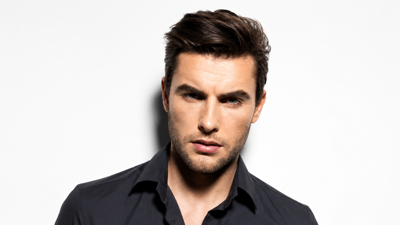

Most men who start looking at hair replacement products have one main goal: they want more hair without looking like they are wearing something.
That sounds simple, but in real life, a natural result depends on much more than simply choosing a hairpiece with the right color or enough volume. The truth is that many men’s hairpieces fail not because the hair quality is terrible, but because the design does not match the wearer’s face, age, lifestyle, or natural hair pattern.
A natural-looking hairpiece should not attract attention. It should quietly restore balance. The best result is when people notice that you look healthier, younger, or more put together, but they cannot immediately identify why.
That is the real standard.
The Hairline Is the First Thing People Notice
If there is one area where a men’s hairpiece must look convincing, it is the front hairline.
A thick, straight, overly perfect hairline is one of the fastest ways to make a hairpiece look unnatural. Real male hairlines are not perfectly even. They have slight irregularity, softer density at the front, and a natural transition into the temples.
For a natural look, the front should usually be lighter than the middle area. This creates a gradual effect instead of a sharp wall of hair. Many beginners make the mistake of choosing a hairline that is too low or too dense because they want the fullest possible result. But in daily life, that can look less realistic.
A mature, slightly natural hairline often looks better than a teenage-style hairline that does not match the wearer’s face.
Density Should Match Your Age and Face
Another major mistake is choosing too much density.
When men experience hair loss, it is understandable to want a full head of thick hair again. But more hair does not always mean better results. If the density is too heavy, especially at the front, the hairpiece can look artificial.
Natural density should match the wearer’s age, side hair, face shape, and hairstyle.
For example, a man in his 40s or 50s may look more natural with medium-light or medium density rather than extremely full coverage. A man with thin side hair should avoid choosing a top piece that is much denser than the natural hair around it, because the contrast can expose the system.
The goal is not maximum thickness. The goal is believable balance.
Color Matching Is More Than Choosing Brown or Black
Color is one of the most underestimated details in men’s hairpieces.
Many men think they only need to choose black, brown, blonde, or grey. But natural hair color usually contains subtle variation. Even dark hair may have warmer or cooler undertones. Grey hair may be mixed unevenly. Some men have lighter sides than the top or natural fading from sun exposure.
If the color is too flat, too shiny, or too different from the remaining hair, the system may stand out even if the base and hairline are good.
A natural look often requires matching:
- natural hair color
- grey percentage
- undertone
- texture
- shine level
This is especially important for men with salt-and-pepper hair. If the grey ratio is wrong, the result can look obviously mismatched.
The Base Type Changes Both Comfort and Realism
The base is the foundation of any hairpiece. It affects how the system feels, how it attaches, how breathable it is, and how natural the scalp or hairline appears.
The most common base types are lace, skin, and hybrid designs.
Lace bases are breathable and lightweight. They are often preferred by men who sweat easily, live in warmer climates, or want more ventilation. Lace can also create a very natural-looking front when designed properly.
Skin bases, also known as poly bases, are smooth and easier to clean. They can create a scalp-like appearance and are often beginner-friendly because adhesive residue is easier to remove from the surface. However, they may feel less breathable than lace, depending on thickness.
Hybrid bases combine materials, such as lace in the center for breathability and poly around the edges for easier attachment. For many beginners, this can be a practical middle-ground option.
There is no one best base for everyone. The right choice depends on how you live.
Hairstyle Choice Can Make or Break the Result
A natural hairpiece should support a hairstyle that fits the wearer’s face and routine.
Some styles are easier to make natural than others. A textured crop, short side part, or slightly messy style can be very forgiving. These styles do not expose every detail of the hairline and can blend well with natural side hair.
Brushed-back hairstyles, slicked looks, and exposed front styles require a more realistic hairline and careful base selection. If the front is too dense or the lace is not blended well, the system becomes easier to detect.
For beginners, it is usually better to start with a practical, natural hairstyle rather than an extreme transformation. Once you understand how to wear and maintain the piece, you can explore more exposed or dramatic styles.
Texture Must Blend With Your Own Hair
Texture is another detail that affects realism.
If your natural side hair is slightly wavy, but the hairpiece is completely straight, the result may look disconnected. If your natural hair is coarse but the system hair is too silky, the difference may be noticeable under light or movement.
A natural look depends on matching the system hair to the hair that remains around it.
This includes:
- straight or wavy pattern
- curl size
- hair thickness
- direction of growth
overall movement
When the texture matches, the hairpiece becomes part of the whole hairstyle instead of sitting separately on top.
Shine Level Matters in Real Lighting
One thing that makes some men’s hairpieces look fake is unnatural shine.
Hair that looks too glossy under daylight or office lighting can appear artificial. This is especially common with lower-quality synthetic pieces or heavily processed hair.
Human hair systems usually look more natural because they move and reflect light more realistically. However, even human hair must be properly maintained. Too much styling product, heavy oil, or residue can create an unnatural finish.
For a realistic look, the hair should have a natural healthy sheen, not a plastic-like shine.
Attachment Should Match Your Lifestyle
A hairpiece can look great when first applied, but if the attachment method does not match your lifestyle, it may become stressful.
Some men prefer tape because it is clean and convenient. Others prefer liquid adhesive for a stronger bond. Some active users need a secure hold that can handle sweat and movement. Others want easier removal and maintenance.
If you exercise often, work outdoors, or live in a hot climate, attachment strength and maintenance frequency become more important. If you mostly work indoors and want simple care, you may prioritize ease of cleanup instead.
A natural look is not only about the first hour after installation. It is about whether the system stays secure and comfortable throughout daily life.
Maintenance Is Part of Looking Natural
Even the best hairpiece will not stay natural-looking without proper maintenance.
A good routine does not need to be complicated, but it does need to be consistent. Cleaning the base, removing adhesive properly, conditioning the hair, and getting regular trims all help maintain realism.
Neglecting maintenance can lead to visible buildup, dry hair, lifting edges, tangling, or an unnatural hairline.
Many beginners think the product alone creates the result. In reality, the product and routine work together.
The more natural you want the result to look, the more important maintenance becomes.
Why Cheap Hairpieces Often Look Obvious
Budget hairpieces can be tempting, especially for first-time buyers. But the cheapest option is not always the safest choice if your goal is a natural appearance.
Low-quality systems often have issues such as thick bases, unnatural shine, poor density design, mismatched color, or unrealistic hair direction. These details may not be obvious in product photos, but they become noticeable in real life.
A premium men’s hairpiece is not just about better hair. It usually offers better base construction, more realistic ventilation, better density control, and more customization options.
That is why many men who want a more natural result eventually choose a specialized provider rather than a random low-cost option.
Where TopUniqueHair Fits Into the Decision
Once you understand what affects realism, choosing a supplier becomes easier. You are no longer just looking for “a hairpiece.” You are looking for the right combination of base, density, color, texture, and lifestyle fit.
This is where a brand like TopUniqueHair can be useful for men who want more tailored options. The value is not simply in offering men’s hairpieces, but in giving users different choices based on how natural, breathable, durable, or easy to maintain they want the system to be.
For example, a man who wants the most breathable daily wear may lean toward lace. Someone who wants easier cleaning may prefer skin. Someone who wants both may consider a hybrid base. Having those options makes it easier to choose a system that fits real life instead of forcing one solution onto every customer.
The Most Natural Result Is Usually the Most Balanced One
The biggest truth about men’s hairpieces is that realism comes from balance.
- The hairline should not be too perfect.
- The density should not be too heavy.
- The color should not be too flat.
- The base should not be chosen only for appearance.
- The style should not fight against your face or lifestyle.
A natural hairpiece does not need to look dramatic. In fact, the most convincing ones are often subtle. They restore structure, frame the face, and reduce the visible signs of hair loss without creating a completely different identity.
That is what makes the result believable.
Choosing a natural-looking men’s hairpiece is not about finding the thickest hair or the most impressive product photo. It is about choosing a system that fits your real appearance and daily routine.
The hairline, density, color, base, texture, attachment method, and maintenance all matter. When these details work together, the result looks natural because nothing feels out of place.
For beginners, the smartest approach is to avoid extreme choices. Start with realistic density, a natural hairline, a suitable base, and a hairstyle that blends with your existing hair.
A good hairpiece should not make people stare at your hair.
It should simply make you look like yourself again, with more confidence.
(0) comments
We welcome your comments
Log In
Post a comment as Guest
Keep it Clean. Please avoid obscene, vulgar, lewd, racist or sexually-oriented language.
PLEASE TURN OFF YOUR CAPS LOCK.
Don't Threaten. Threats of harming another person will not be tolerated.
Be Truthful. Don't knowingly lie about anyone or anything.
Be Nice. No racism, sexism or any sort of -ism that is degrading to another person.
Be Proactive. Use the 'Report' link on each comment to let us know of abusive posts.
Share with Us. We'd love to hear eyewitness accounts, the history behind an article.