


Fair, black, freckled or tan, the human epidermis is the largest organ of the human body. For centuries, a light complexion was revered by royalty—a symbol of wealth and a life free from hard labor. However, in the early 20th century, doctors began to prescribe sunbathing to patients afflicted with illnesses like tuberculosis. As notions of the sun’s medical qualities became more popular, public perception changed. Europeans flocked to the shores of the French Riviera, the Côte d’Azur, and a new standard of luxury and beauty was born. In is rumored that in the 1920s, style icon Coco Chanel began our modern obsession with bronzed bodies when she returned from holiday with tan lines.
Whether or not a tan is fashionable, skin care is at the forefront of beauty—the single garment people wear throughout each stylish season, at every age.
When it comes to skin care, "there are intrinsic and extrinsic causes of skin damage," said Sean Daneshmand, medical director of Ageless+Beautiful Spa and Cosmetic Surgery.
"Intrinsic skin issues, we have no control over—like our genes," Daneshmand explained. "But extrinsic values—meaning environment like sun exposure, diet, sleep and water—are directly linked to how collagen and elastin break down as we get older."
Taking control of a skin care routine and becoming more aware of these extrinsic factors can be the first step towards preventative medicine—the first defense on a long list of creams, elixirs and procedures developed to remedy sunspots, discoloration, fine lines and wrinkles.
"During the summer, it’s extremely important to put on sunblock, but it’s also important to get at least some exposure," Daneshmand said. "Most Americans are vitamin D deficient."
Prescribing the sun has been a practice for decades, but understanding a few simple principles about the functionality of this amazing organ can be the difference between ageless and beautiful, and damaged and wrinkled.
Daneshmand prescribes fiber.
"People’s diets should be fiber-based, which means a lot of fruits and vegetables…and preservatives, stay away from preservatives," he said. "Exercising is also very important—not just the body, but the mind as well."
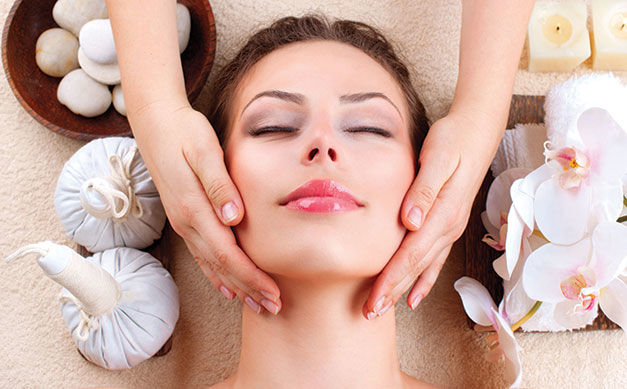
Skin savvy ageless and beautiful spa
Daneshmand is not the first to postulate that the health and vitality of one body function is dependent on the health and vitality of them all. "It’s all just one mechanism," he said, adding that understanding how the components of the body effect the skin sheds greater light on this issue.
"No salt or refined sugar," he recommended. "When you consume a lot of salt you become dehydrated, you become more swollen. Salt pulls water out, so it’s important to keep salt intake low, as well as sugar. Sugar is bad because it’s inflammatory…you don’t want to have these large spikes in your glycemic index."
What’s more, eight glasses of water is recommended. Sleep is also very important. Daneshmand recommends seven to eight hours of sleep a night to reduce stress, which is also linked to skin health.
Aside from environment, it’s also important to consider what’s going on the skin. Daneshmand recommends incorporating a Retinal or Retin-A cream in your daily regiment.
"It’s all about stimulating the skin and exfoliation of the skin," he said. "We constantly want to have the fibroblast that are the cells that lay down the collagen and the dermis stimulated."
Cells that produce the visible skin layer we perceive as healthy, youthful and glowing, are more active in young people. But by stimulating these cells with home care products and simple non-invasive procedures, skin health can be obtained through generally healthy life choices that benefit the whole body.
Daneshmand has a fairly simple maintenance plan: "Once every three or four months get some microdermabrasion or a superficial peel. The 15-percent TCA peel is inexpensive and it does a fantastic job," he said. "Then maybe once a year, depending on the skin type—or even every other year—it’s a good idea to do some kind of laser resurfacing."
Patients undergoing these kinds of procedures are healing much faster these days with pixelated treatments—instead of burning all of the skin, a Fraxel laser only burns about 80 percent of the skin, while the remaining 20 percent acts like a bandage.
People who live generally healthy lives are more likely to have healthy-looking skin well into old age. Healthy skin is all about taking care—not after it becomes damaged, but with the understanding that everyone gets older, aging is inevitable, and healthy will never go out of style.


(0) comments
We welcome your comments
Log In
Post a comment as Guest
Keep it Clean. Please avoid obscene, vulgar, lewd, racist or sexually-oriented language.
PLEASE TURN OFF YOUR CAPS LOCK.
Don't Threaten. Threats of harming another person will not be tolerated.
Be Truthful. Don't knowingly lie about anyone or anything.
Be Nice. No racism, sexism or any sort of -ism that is degrading to another person.
Be Proactive. Use the 'Report' link on each comment to let us know of abusive posts.
Share with Us. We'd love to hear eyewitness accounts, the history behind an article.