
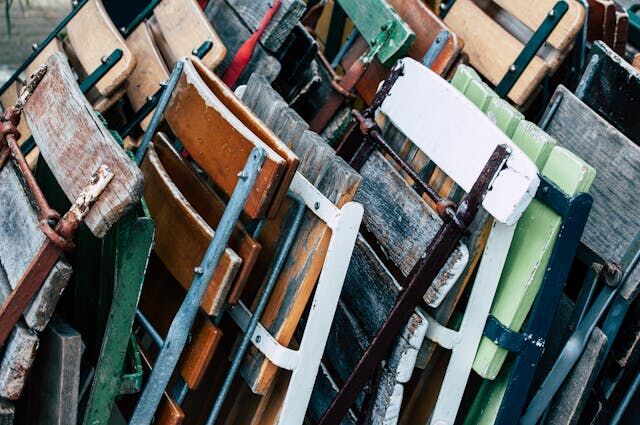
Reviving old furniture through upcycling has captured the imagination of many, blending sustainability with creativity. The charm of transforming a worn-out piece into something fresh and unique is not only environmentally friendly but also allows for personal expression.
From selecting the right supplies to mastering simple techniques, there are countless ways to turn a tired piece into a standout feature. Upcycling offers a perfect blend of practicality and artistry, making it a trend that’s here to stay.
Benefits of Upcycling Furniture
Upcycling furniture offers numerous benefits, making it a popular choice for those looking to refresh their spaces sustainably. One of the most significant advantages is the positive environmental impact; by reusing and repurposing old furniture, you reduce waste and lessen the demand for new materials. This eco-friendly approach not only helps the planet but also saves money, as upcycling is often far more cost-effective than purchasing brand-new pieces.
Beyond practicality, upcycling allows for creative expression, enabling you to customize furniture to suit your personal style and home décor. Each piece becomes a unique reflection of your tastes, resulting in one-of-a-kind items that stand out in any room.
The combination of sustainability, affordability, and individuality makes upcycling a rewarding practice for anyone looking to enhance their living space.
Choosing the Right Supplies
Selecting the right supplies is crucial for a successful upcycling project, as they can significantly impact the final result. When you’re giving furniture a fresh look, paint is often the go-to solution. Upcycling furniture is one of the top uses for Montana spray paint, which is specifically formulated to provide vibrant colors and a durable finish that can completely transform old pieces, and can be used on everything from wood to metal, glass and plastics.
In addition to paint, you'll need a few key tools to ensure the best results. Sandpaper or an electric sander can be great for smoothing surfaces, while a good-quality primer will help the paint adhere properly.
Brushes or rollers might be necessary for detailed work, and protective finishes like varnish, lacquer or wax will seal and safeguard your work. Other helpful tools include screwdrivers for dismantling parts, clamps to hold pieces steady, and drop cloths to protect your workspace.
Hints & Tips for Successful Upcycling
Upcycling furniture can be a highly rewarding process, but a few key steps can make all the difference between a mediocre result and a stunning transformation.
Preparation is the first and most important step; start by thoroughly cleaning the furniture to remove dirt, grime, and old finishes. Sanding the surface is crucial, as it helps the new paint, stain, or finish adhere better.
When it comes to techniques, there are plenty of creative options to explore beyond just painting. For instance, staining can bring out the natural beauty of wood, highlighting its grain and adding depth to the piece. Decoupage is another popular method, allowing you to personalize furniture with images, patterns, or even fabric. This technique can be especially effective for tabletops, drawer fronts, or cabinet doors.
For a more rustic look, distressing techniques can add character and charm by giving the furniture an intentionally worn or aged appearance. This can be achieved through sanding back layers of paint, using wax, or applying a glaze to create a patina.
Reupholstering is another fantastic way to upcycle furniture, especially for chairs, benches, or ottomans. Choosing a new fabric can completely change the look and feel of a piece, making it a centerpiece of any room. Don’t be afraid to mix and match textures and patterns to create something truly unique.
Finally, always consider safety throughout your project. Work in a well-ventilated area, particularly when using paints, stains, or adhesives, and wear appropriate protective gear like gloves, masks, and goggles. Also, make sure to follow the drying times and curing processes for any products you use to ensure your finished piece is durable and long-lasting.

Taking these precautions and approaches will help you achieve professional results, turning your upcycled furniture into a standout piece that fits perfectly in your space.
Common Mistakes to Avoid
Skipping Preparation: Neglecting to clean and sand furniture can lead to poor paint adhesion and uneven finishes.
Choosing the Wrong Materials: Ensure the paint, stain, or finish is suitable for the surface you're working on for best results.
Overdoing/Underdoing Distressing: Find the right balance when distressing to avoid a piece that looks either too worn or not worn enough.
Rushing Drying Times: Allow sufficient time for each layer to dry completely to avoid a sticky or uneven finish.
Ignoring Overall Design: Plan the final look to ensure the piece complements your space and existing décor.
These quick tips can help you avoid common pitfalls and achieve a successful upcycling project.


(0) comments
We welcome your comments
Log In
Post a comment as Guest
Keep it Clean. Please avoid obscene, vulgar, lewd, racist or sexually-oriented language.
PLEASE TURN OFF YOUR CAPS LOCK.
Don't Threaten. Threats of harming another person will not be tolerated.
Be Truthful. Don't knowingly lie about anyone or anything.
Be Nice. No racism, sexism or any sort of -ism that is degrading to another person.
Be Proactive. Use the 'Report' link on each comment to let us know of abusive posts.
Share with Us. We'd love to hear eyewitness accounts, the history behind an article.