
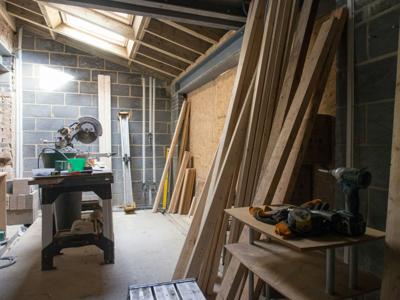

In the quest for sustainability and efficiency, retrofitting existing buildings has become a cornerstone of modern urban development. As cities grow denser and real estate is at a premium, the focus has shifted from erecting new structures to reviving the old. This is where commissioning services for retrofit projects play a pivotal role, ensuring these rejuvenated buildings are not only aesthetically pleasing but also environmentally sustainable and energy-efficient. This blog delves into the significance of commissioning services in retrofit projects and how they are breathing new life into old buildings.
The Essence of Retrofit Commissioning
Retrofit commissioning involves a comprehensive review and upgrade of a building's systems and operations to improve energy use, functionality, and comfort. This process is critical for older buildings, where outdated technologies and wear-and-tear contribute to inefficiency and increased operational costs. Commissioning services scrutinize every aspect of a building’s existing systems, from HVAC to lighting, to identify areas for improvement, ensure systems are integrated smoothly, and verify that they operate optimally for current use.
Why Commissioning is Key to Retrofit Success
Enhanced Energy Efficiency
One of the primary goals of retrofit commissioning is to enhance energy efficiency. By updating and optimizing building systems, commissioning can significantly reduce energy consumption, leading to lower utility bills and a smaller carbon footprint. This is particularly important in the context of global efforts to combat climate change, as buildings are among the largest consumers of energy worldwide.
Improved Indoor Environmental Quality
Retrofit commissioning also focuses on improving the indoor environmental quality (IEQ) of buildings. This includes enhancing air quality, optimizing lighting levels, and maintaining comfortable temperature and humidity levels. Improved IEQ not only benefits the environment but also boosts the health and productivity of the building's occupants, creating a more pleasant and sustainable living or working space.
Ensuring System Integration and Functionality
Older buildings often suffer from piecemeal updates that can lead to system inefficiencies or even failures. Commissioning services ensure that all building systems are properly integrated and functional, providing a cohesive, efficient operation. This holistic approach prevents issues that can arise from incompatible systems or outdated technologies, ensuring the building operates seamlessly as a unified whole.
Extending Building Life and Value
By addressing and rectifying inefficiencies and potential issues, retrofit commissioning can significantly extend the life of a building. It revitalizes aging infrastructure, making it more competitive with newer constructions in terms of both functionality and aesthetics. This, in turn, enhances the building's value, making it a more attractive proposition for owners and occupants alike.
The Retrofit Commissioning Process
The retrofit commissioning process typically involves several key stages:
Planning and Investigation: This initial phase involves a detailed assessment of the building's current condition and systems to identify opportunities for improvement.
Implementation: Based on the findings from the initial assessment, targeted retrofit measures are implemented. This may involve upgrading mechanical systems, enhancing insulation, or installing energy-efficient lighting, among other interventions.
Verification and Testing: After upgrades are made, commissioning agents conduct rigorous testing to ensure all systems function correctly and efficiently.
Documentation and Training: Finally, comprehensive documentation is provided, detailing the changes made and their expected impacts on energy use and efficiency. Training may also be provided to building staff to ensure ongoing optimal operation of the new systems.
The Future of Retrofit Commissioning
As the push for sustainability in the built environment continues to gain momentum, the role of commissioning in retrofit projects is set to grow. Innovations in technology, such as smart building systems and renewable energy sources, offer new opportunities for making old buildings more efficient and sustainable. Moreover, the increasing focus on health and well-being, spurred in part by global events like the COVID-19 pandemic, is likely to drive further interest in retrofitting buildings to improve indoor environmental quality.
In conclusion, commissioning services for retrofit projects are crucial for transforming old buildings into spaces that meet the demands of the 21st century. By enhancing energy efficiency, improving indoor environmental quality, ensuring system functionality, and extending building life, commissioning breathes new life into old structures. As we look to the future, the importance of these services in creating sustainable, efficient, and healthy built environments cannot be overstated.


(0) comments
We welcome your comments
Log In
Post a comment as Guest
Keep it Clean. Please avoid obscene, vulgar, lewd, racist or sexually-oriented language.
PLEASE TURN OFF YOUR CAPS LOCK.
Don't Threaten. Threats of harming another person will not be tolerated.
Be Truthful. Don't knowingly lie about anyone or anything.
Be Nice. No racism, sexism or any sort of -ism that is degrading to another person.
Be Proactive. Use the 'Report' link on each comment to let us know of abusive posts.
Share with Us. We'd love to hear eyewitness accounts, the history behind an article.