
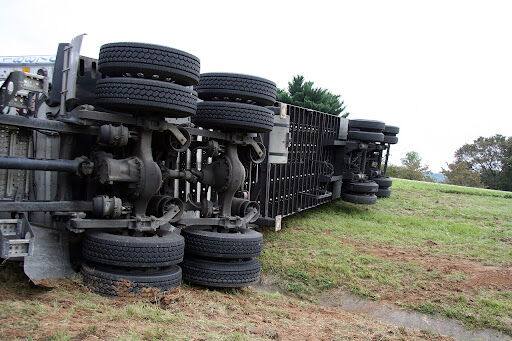
Truck accidents can be devastating, leading to severe injuries, significant property damage, and emotional trauma. In the aftermath of such a collision, it’s essential to take certain steps to protect your health, legal rights, and financial interests. Whether you're directly involved or helping someone else navigate the situation, understanding the proper procedures can make a significant difference. Below are crucial steps to take after a truck accident, providing a clear roadmap to follow during a highly stressful time.
Ensure Immediate Safety and Seek Medical Attention
The first and most important step after a truck accident is to ensure your safety and the safety of others involved. If you can move, check on the condition of other passengers and drivers. If anyone is injured, call emergency services immediately. Even if you feel fine, it’s crucial to seek medical attention. Truck accidents often involve high-impact collisions, and injuries like internal bleeding, concussions, or whiplash may not be immediately apparent. Prompt medical evaluation not only safeguards your health but also documents your condition, which can be critical if you need to file an insurance claim or pursue legal action later.
Seek Legal Advice
Truck accidents often involve multiple parties, including the truck driver, the trucking company, and other drivers. Additionally, trucking companies usually have legal teams and insurance adjusters who work to minimize their liability. For these reasons, it’s wise to seek legal advice from a truck accident lawyer with experience in such cases. A lawyer can help you navigate the complexities of your case, negotiate with insurance companies, and represent you in court if necessary. They can also advise you on whether to pursue a personal injury lawsuit to recover damages for medical bills, lost wages, and pain and suffering.
Notify Your Insurance Company
After you’ve left the scene of the accident and received any necessary medical attention, the next step is to notify your insurance company. Provide them with all the details of the accident and any evidence you’ve gathered. It’s crucial to be honest and thorough in your report, but once again, avoid admitting fault. Your insurance company will begin an investigation to determine liability and the extent of damages. Keep track of any medical expenses, vehicle repairs, and other costs associated with the accident, as these will be important for your claim.
Call the Authorities and Report the Accident
Contact the police to report the accident. A police report is an essential document that provides an official account of the incident. When speaking with the officers, provide accurate and factual information, but avoid admitting fault or making speculative statements about the cause of the accident. The police report will include details such as the time and location of the accident, the vehicles involved, and witness statements, all of which will be important for insurance claims and legal proceedings.
Gather Evidence at the Scene
While waiting for the authorities to arrive, if you’re physically able, gather as much evidence as possible at the scene. Use your smartphone to take photos or videos of the accident site, including damage to vehicles, road conditions, skid marks, traffic signals, and any other relevant details. Also, capture images of any visible injuries. Collect contact information from witnesses, as their testimonies could be vital later on. If the truck involved belongs to a company, make sure to document the company’s name, as well as the license plate number of the truck. All this evidence will be crucial when approaching a lawyer who specialises in cases for truck accidents in Houston (or indeed elsewhere) and allow them to build you a stronger case that increases your chance of a successful outcome.
A skilled legal professional can transform this evidence into a compelling case, especially given the complexities of commercial trucking regulations. They understand the tactics insurance companies often employ to delay or minimize payouts, and can aggressively advocate for the full compensation you deserve for medical bills, lost wages, and pain and suffering. Finding a firm that offers free consultations and operates on a no-win, no-fee basis can provide peace of mind during a challenging time. For individuals facing the aftermath of such an incident, consulting with a knowledgeable big-rig accident lawyer is a critical step to ensure your rights are protected and you receive fair treatment.
Exchange Information with the Other Party
Exchanging information with the other party involved in the accident is another critical step. Ensure you obtain the truck driver’s name, contact information, driver’s license number, and insurance details. Also, note the truck’s license plate number, vehicle identification number (VIN), and the name of the trucking company. If the truck driver refuses to provide this information or appears to be under the influence of alcohol or drugs, make sure to inform the police officers when they arrive. Having accurate and complete information will make it easier to handle insurance claims and any legal matters that may arise.
Avoid Discussing Fault or Blame
In the chaos following a truck accident, it’s natural to want to discuss what happened, but it’s important to avoid admitting fault or blaming the other party. Even if you think you may be partially responsible, do not say so at the scene. The determination of fault is a complex legal issue that should be left to the police and insurance companies. Anything you say in the immediate aftermath of the accident can be used against you in court or by insurance companies to reduce or deny your claim. Instead, stick to the facts and let the professionals handle the rest.
Keep a Record of Your Recovery Process
In the weeks and months following the accident, it’s important to keep detailed records of your recovery process. Document your medical treatments, follow-up appointments, and any physical or emotional symptoms you experience. Also, keep a journal of how the accident has affected your daily life, including any difficulties with work, family, or personal activities. This documentation can be crucial if you need to demonstrate the impact of the accident on your life in court or during settlement negotiations.
Stay Informed About the Legal Process
If your case goes to court or if you’re involved in settlement negotiations, stay informed about the legal process. Keep in close communication with your attorney and ask for updates regularly. Understanding what to expect can help you feel more in control and reduce the stress associated with legal proceedings. Be patient, as truck accident cases can take time to resolve, especially if there are disputes over liability or the extent of damages.
Focus on Your Recovery
While the legal and insurance aspects of a truck accident are important, your health and well-being should always come first. Follow your doctor’s advice and focus on your physical and emotional recovery. If you need support, don’t hesitate to seek counseling or join a support group. Recovering from a truck accident can be a long and challenging process, but taking care of yourself is essential to moving forward.
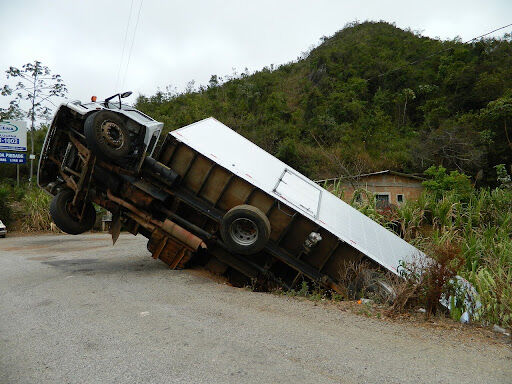
Truck accidents are traumatic events that require careful and deliberate action in their aftermath. By following these crucial steps—ensuring safety, gathering evidence, seeking medical and legal help, and staying informed—you can protect your rights and improve your chances of a successful recovery, both physically and financially. Remember, the decisions you make in the moments and days after the accident can have long-lasting effects, so it’s important to act wisely and seek the support you need.


(0) comments
We welcome your comments
Log In
Post a comment as Guest
Keep it Clean. Please avoid obscene, vulgar, lewd, racist or sexually-oriented language.
PLEASE TURN OFF YOUR CAPS LOCK.
Don't Threaten. Threats of harming another person will not be tolerated.
Be Truthful. Don't knowingly lie about anyone or anything.
Be Nice. No racism, sexism or any sort of -ism that is degrading to another person.
Be Proactive. Use the 'Report' link on each comment to let us know of abusive posts.
Share with Us. We'd love to hear eyewitness accounts, the history behind an article.