
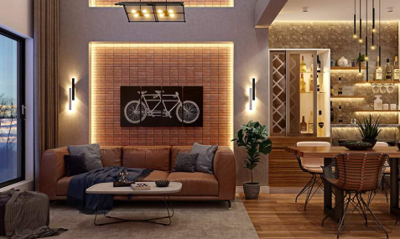

Luxury interiors are often associated with expensive furniture, statement lighting and carefully curated accessories. Yet the most successful homes rarely rely on these elements alone. Instead, they balance thoughtful design, quality materials and practical decisions that make everyday living more enjoyable.
Whether renovating an existing property or designing a new home, creating a sophisticated interior requires an understanding of how spaces connect, how materials age and how individual preferences influence the finished result.
Working with professionals who specialise in luxury interior design can help homeowners achieve this balance, creating spaces that feel refined, personal and comfortable rather than simply following the latest trends.
Start With How You Want to Live
Before choosing furniture, finishes or colour palettes, consider how each room will be used.
A beautiful living room may look impressive in photographs, but if the seating arrangement makes conversation difficult or the lighting feels uncomfortable in the evening, the design has overlooked something important.
Start by asking practical questions. Will the space accommodate frequent entertaining? Does the household need flexible areas for working from home? Are there children or pets to consider?
Understanding these requirements early allows design decisions to support everyday routines.
For example, an open-plan living area might benefit from clearly defined zones for dining, relaxation and entertaining. Rather than dividing the room with walls, furniture placement, rugs and lighting can establish distinct areas while maintaining a sense of openness.
Invest in Materials That Stand the Test of Time
One of the defining characteristics of a luxurious home is material quality.
Natural stone, solid wood, carefully selected textiles and high-quality metal finishes introduce depth and character that can be difficult to replicate with cheaper alternatives.
However, expensive materials are not automatically the most appropriate choice.
Marble, for instance, creates a striking surface but requires consideration of staining and maintenance. Engineered stone may offer a more practical alternative in busy kitchens, depending on the product selected.
Similarly, natural timber brings warmth to interiors, but different species and finishes respond differently to moisture, sunlight and everyday wear. The key is selecting materials that complement both the home's architecture and the lifestyle of its occupants. A carefully chosen combination of durable surfaces and tactile finishes often delivers a more satisfying result than filling every room with premium materials.
Create a Cohesive Design Throughout the Home
A luxurious interior should feel connected without making every room look identical.
Consistency can be achieved through repeated materials, complementary colours and architectural details.
For example, a particular timber finish might appear in kitchen cabinetry, shelving and bedroom furniture. Similar metal finishes could connect lighting fixtures, door hardware and bathroom fittings.
These subtle relationships help create visual continuity. At the same time, individual rooms should retain their own character. A bedroom may benefit from softer textures and muted colours, while a dining room could accommodate richer finishes and more dramatic lighting.
The objective is to establish a recognisable design language that flows naturally throughout the property.
Use Lighting to Introduce Depth and Atmosphere
Lighting is one of the most influential yet frequently underestimated elements of interior design.
A single overhead fixture rarely provides the flexibility required for modern living.
Instead, successful interiors typically combine three types of lighting:
- Ambient lighting: Provides general illumination throughout a room.
- Task lighting: Supports specific activities, such as reading, cooking or working.
- Accent lighting: Highlights artwork, architectural features or decorative details.
Layering these sources creates depth and allows rooms to adapt throughout the day.
Dimmer controls can also help homeowners transition between brighter functional lighting and softer evening settings.
Natural light deserves equal consideration. Window treatments, furniture positioning and reflective surfaces can influence how daylight moves through a room.
Choose Furniture With Proportion in Mind
Furniture selection involves more than finding attractive individual pieces.
Scale and proportion determine whether a room feels balanced, overcrowded or unnecessarily empty.
An oversized sofa may dominate a modest living room, while furniture that is too small can make a spacious interior feel disconnected.
Before purchasing major pieces, measure the room and consider circulation routes, door openings and the relationship between furnishings.
In larger spaces, grouping furniture into conversational arrangements can create intimacy without sacrificing openness.
Custom furniture and built-in cabinetry may also provide solutions where standard dimensions do not work effectively.
Make Room for Personal Character
Luxury should never mean removing everything that makes a home individual.
Artwork, collected objects, family heirlooms and meaningful accessories introduce personality that cannot be recreated through a standard design formula.
The challenge is presenting these elements thoughtfully.
Rather than displaying every possession, select pieces that contribute to the atmosphere of a room. A treasured painting might become the focal point of a living area, while collected ceramics could add interest to open shelving.
Mixing contemporary furnishings with vintage or antique pieces can also create an interior that feels developed over time.
Design for Long-Term Enjoyment
Interior trends inevitably change, but a well-designed home should remain appealing beyond a single season.
This does not mean avoiding contemporary influences altogether. Instead, consider introducing fashionable colours, patterns or decorative details through elements that can be updated relatively easily.
For larger investments, such as flooring, cabinetry and architectural finishes, prioritise enduring quality and suitability.
A successful luxury interior ultimately combines visual appeal with functionality, craftsmanship and personal expression.
By making considered decisions from the beginning, homeowners can create spaces that not only look beautiful when completed but continue to feel comfortable, relevant and rewarding for years to come.

(0) comments
We welcome your comments
Log In
Post a comment as Guest
Keep it Clean. Please avoid obscene, vulgar, lewd, racist or sexually-oriented language.
PLEASE TURN OFF YOUR CAPS LOCK.
Don't Threaten. Threats of harming another person will not be tolerated.
Be Truthful. Don't knowingly lie about anyone or anything.
Be Nice. No racism, sexism or any sort of -ism that is degrading to another person.
Be Proactive. Use the 'Report' link on each comment to let us know of abusive posts.
Share with Us. We'd love to hear eyewitness accounts, the history behind an article.