
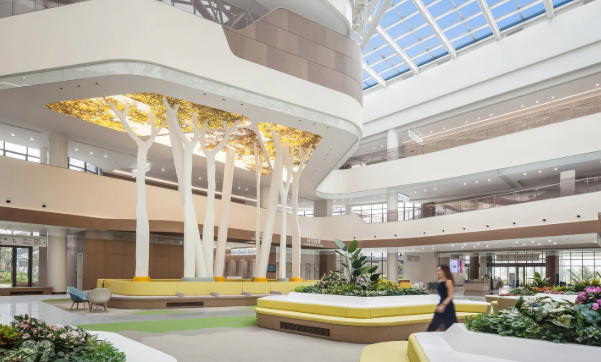
The environments people occupy can influence how comfortable, focused, and secure they feel throughout the day. This relationship is particularly relevant in residential healthcare, where individuals may spend extended periods receiving treatment away from familiar surroundings. Architects and interior designers must consider clinical requirements while also creating spaces that feel welcoming and appropriate for everyday living. Thoughtful design can support the patient experience without losing sight of the practical demands of healthcare environments.
Bringing Residential Comfort Into Healthcare Settings
Traditional healthcare environments are often designed around efficiency, sanitation, and the movement of patients and staff. These priorities remain essential, but residential treatment settings have additional considerations because people may live there for weeks or longer. Patients need places to sleep, relax, socialize, and participate in therapeutic activities. Designing for these different purposes requires a more residential perspective.
For example, some luxury mental health facilities in California, Illinois, and even Massachusetts incorporate private accommodations, comfortable common areas, and outdoor spaces into residential treatment environments. These features demonstrate how healthcare settings can include elements commonly associated with high-quality homes. However, design should remain secondary to appropriate clinical care, accessibility, and safety requirements. The goal is to create a supportive environment rather than suggest that attractive accommodations independently improve psychiatric symptoms.
Understanding the Role of Natural Light and Outdoor Connections
Natural light can influence the appearance and usability of interior spaces. In residential environments, access to daylight may also support regular daily routines and help occupants maintain awareness of time. Windows, courtyards, and thoughtfully positioned seating areas can create opportunities to experience changing light throughout the day. Designers must balance these benefits with privacy, glare control, and temperature management.
Outdoor areas can provide additional opportunities for relaxation and appropriate activity. Gardens, patios, and walking paths may allow residents to spend time outside without leaving the treatment environment. These spaces should be designed according to the needs and safety requirements of the population being served. Accessibility and supervision considerations may influence the layout.
Designing Bedrooms That Balance Privacy and Safety
Private rooms serve an important role in residential settings because they provide opportunities for personal rest and separation from shared activities. Patients may appreciate being able to spend quiet time in a space that feels less institutional. Designers can support this experience through appropriate furnishings, comfortable lighting, and thoughtful storage solutions. However, privacy must be balanced with clinical supervision and safety requirements.
Behavioral healthcare environments may require specialized design considerations depending on the patients they serve. Certain fixtures, hardware, furnishings, and room configurations can present safety risks in psychiatric settings. Qualified designers must work with clinical and safety professionals to address these concerns.
Creating Shared Spaces That Encourage Appropriate Interaction
Residential healthcare environments require spaces where patients can participate in group activities and interact with others. Dining areas, lounges, and recreational rooms can support everyday routines and supervised social opportunities. However, poorly designed shared spaces may feel crowded, noisy, or difficult to navigate. Thoughtful layouts allow different activities to occur without unnecessary disruption.
Furniture arrangements can influence how people interact. A room organized around smaller seating groups may provide opportunities for conversation without requiring everyone to participate in one large gathering. Flexible spaces can accommodate different activities throughout the day. Designers should consider how furniture placement affects circulation and access to exits.
Choosing Materials That Support Durability and Comfort
Healthcare environments require materials that can withstand frequent use and appropriate cleaning procedures. Floors, furnishings, and wall finishes must be selected with durability and maintenance in mind. At the same time, residential treatment settings benefit from avoiding an unnecessarily institutional appearance. Designers can explore materials that balance practical performance with warmth and visual appeal.
Color selection should reflect the purpose and character of the space. Neutral palettes may create a restrained appearance, while carefully chosen accent colors can provide visual interest. However, there is no universal color scheme that guarantees emotional comfort or improved mental health. Designers should avoid unsupported claims about specific colors and psychiatric outcomes.
Developing Healthcare Spaces Around Real Human Needs
The most successful residential healthcare environments are designed around the people who will use them. Patients, clinicians, support staff, and visitors may have different needs that must be considered together. Gathering input from these groups can help designers understand how spaces function throughout the day. This collaborative approach may reveal problems that are difficult to anticipate from architectural drawings alone.
Post-occupancy evaluations can provide additional insight after a facility begins operating. Designers and administrators may examine whether rooms support intended activities, whether circulation patterns create difficulties, and how occupants experience shared spaces. Feedback can inform future renovations and new construction projects. Continuous evaluation helps ensure that design decisions remain connected to practical outcomes.

(0) comments
We welcome your comments
Log In
Post a comment as Guest
Keep it Clean. Please avoid obscene, vulgar, lewd, racist or sexually-oriented language.
PLEASE TURN OFF YOUR CAPS LOCK.
Don't Threaten. Threats of harming another person will not be tolerated.
Be Truthful. Don't knowingly lie about anyone or anything.
Be Nice. No racism, sexism or any sort of -ism that is degrading to another person.
Be Proactive. Use the 'Report' link on each comment to let us know of abusive posts.
Share with Us. We'd love to hear eyewitness accounts, the history behind an article.