
In a global landscape where the significance of environmental awareness is growing, we must expand our commitment to sustainability beyond recycling and energy preservation. One often overlooked area is plumbing, where eco-friendly practices can be significantly impactful. Embracing eco-friendly plumbing practices contributes positively to the environment and offers potential long-term financial savings for homeowners. This article will explore some friendly and practical green plumbing solutions for your home.
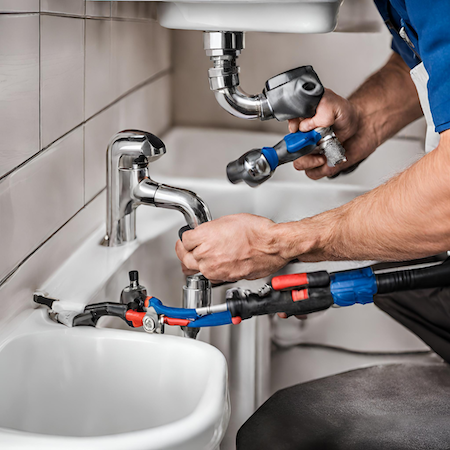
Water-Efficient Fixtures: A Splash of Savings
Start your green plumbing journey by upgrading to water-efficient fixtures. Low-flow toilets, faucets, and showerheads are eco-friendly and can reduce your water bill. They work by using less water without compromising on performance, making them an easy and effective way to contribute to water conservation.
Fix Those Leaks: Drip, Drip, No More!
Were you aware that a lone dripping faucet has the potential to squander numerous gallons of water gradually? Beyond being an irritation, it represents a depletion of a valuable resource. It's advisable to inspect your plumbing for leaks and promptly address them. Additionally, there are drain cleaning services available that can help maintain your system's efficiency. This uncomplicated yet effective measure can contribute significantly to water conservation and diminish your overall environmental impact.
Collect Rainwater: Nature's Beneficial Offering
Establish a rainwater harvesting system to collect and store rainfall for future use. The gathered water can be employed for garden irrigation or flushing toilets. It's a sustainable way to make the most of natural resources and decrease your reliance on treated water for non-potable purposes.
Insulate Your Pipes: A Cozy Solution
Insulating your pipes prevents heat loss, ensures water stays hot for longer and conserves energy. By reducing the heat lost during water transportation, you'll use less energy to keep your water warm. It's a win-win for both your wallet and the environment.
Opt for Eco-Friendly Materials: Pipes with a Purpose
In selecting plumbing materials, it's advisable to explore environmentally friendly alternatives. Pipes made from recycled or sustainable materials contribute to a circular economy. Moreover, these materials typically boast an extended lifespan, lessening the necessity for frequent replacements and mitigating waste.
Choose Tankless Water Heaters: On-Demand Comfort
Traditional water heaters constantly keep much water hot, leading to energy wastage. On the flip side, tankless water heaters heat water as it's needed, ensuring a constant supply of hot water precisely when required. This leads to decreased energy usage and cost savings on your energy bills.
Greywater Systems: Give Water a Second Chance
Integrating a greywater system enables water reuse from tasks such as laundry and showering, redirecting it for irrigation needs. While not suitable for drinking, greywater is perfect for keeping your garden green, reducing the demand for your municipality's water supply.
Consult Plumbing Specialists: Professional Guidance Matters
When venturing into green plumbing practices, it's valuable to seek guidance from plumbing specialists. These experts possess the skills to evaluate your residence's unique requirements and propose customized environmentally conscious solutions. Whether upgrading fixtures, suggesting energy-efficient appliances, or providing insights into sustainable materials, consulting a plumbing specialist can ensure you make informed choices for your green plumbing journey.
Regular Maintenance by Emergency Plumbing Experts: Preventive Care for Peace of Mind
Unexpected plumbing issues can arise, underscoring the importance of having the contact information for a skilled professional available in emergency plumbing situations. These professionals not only address urgent problems promptly but can also assist with regular maintenance. Preventive care ensures that your plumbing system operates efficiently, minimizing the risk of emergencies. Regular examinations and timely repairs play a role in strengthening the longevity of your plumbing system, contributing to the overall sustainability of your living space.
Energy-Efficient Appliances: A Collaborative Effort
Collaborate with plumbing specialists to identify and install energy-efficient appliances. Modern eco-friendly appliances can significantly reduce energy and water consumption from water heaters to washing machines. Plumbing specialists can guide you through the selection process, considering factors such as energy ratings and water usage, helping you make choices that align with your environmental goals and lifestyle needs.
Solar Water Heating Systems: Harnessing Natural Power
Consider integrating solar water heating systems into your plumbing infrastructure. Plumbing specialists can evaluate your property's suitability for solar installations and guide you through the process. These systems utilize solar power to warm water, lessening dependence on traditional energy sources. By tapping into renewable energy, you contribute to environmental conservation and enjoy the long-term benefits of lower energy bills.
Educational Outreach: Spreading the Green Plumbing Message
Engage with plumbing specialists not just for your home but also for community initiatives. Organize workshops or information sessions with local plumbing experts to spread awareness about green plumbing practices. By sharing knowledge and best practices, you contribute to a collective effort to make homes and neighborhoods more eco-friendly.

Conclusion:
Incorporating the expertise of plumbing and emergency plumbing experts into your green plumbing journey is a wise and collaborative approach. With their guidance, you can implement sustainable solutions, reduce environmental impact, and ensure the long-term efficiency of your plumbing system. Let's join hands with these professionals to make our homes environmentally friendly and well-prepared for plumbing challenges. We have the opportunity to establish a plumbing infrastructure that is both sustainable and resilient, contributing to a more environmentally friendly future.


(0) comments
We welcome your comments
Log In
Post a comment as Guest
Keep it Clean. Please avoid obscene, vulgar, lewd, racist or sexually-oriented language.
PLEASE TURN OFF YOUR CAPS LOCK.
Don't Threaten. Threats of harming another person will not be tolerated.
Be Truthful. Don't knowingly lie about anyone or anything.
Be Nice. No racism, sexism or any sort of -ism that is degrading to another person.
Be Proactive. Use the 'Report' link on each comment to let us know of abusive posts.
Share with Us. We'd love to hear eyewitness accounts, the history behind an article.