

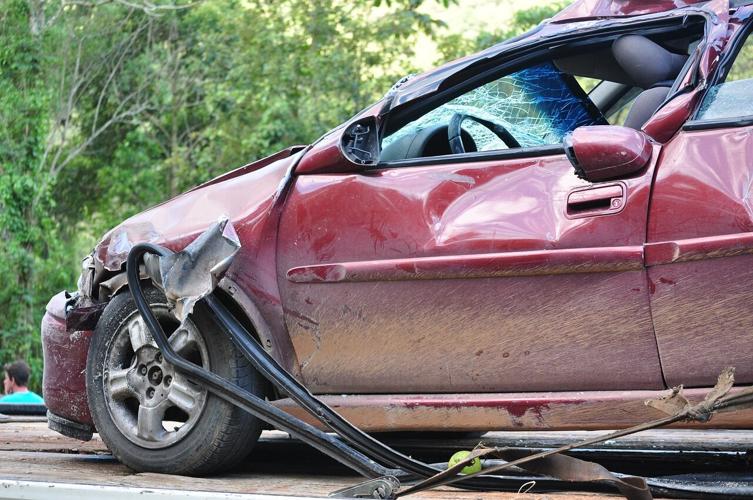
Car accidents can happen to anyone anytime and anywhere. It's essential to be prepared and know how to handle the situation if it does occur. Dealing with a road mishap can be overwhelming, both emotionally and logistically. This article provides essential tips for dealing with a car accident, from ensuring everyone's safety at the scene to handling insurance claims and seeking legal assistance if necessary.

Safety First
The priority after a car accident is safety. If possible, move your vehicle to the side of the road to avoid further collisions. Turn on your hazard lights and set up warning triangles or flares, alerting other drivers. Check for injuries among passengers in your vehicle and those in other cars involved. Call 911 immediately if anyone is seriously injured. Car accidents can be stressful, but it's crucial to remain calm. Take deep breaths to stay composed and focused. According to a competent car accident attorney, avoid arguing with other drivers or assigning blame at the scene. Leave this determination to the authorities and insurance companies. If it's safe to do so, check on the well-being of occupants in other vehicles. Offer assistance to injured individuals, but avoid moving them unless necessary.
Legal and Contact Information
In most cases, it's advisable to contact the police, even for minor accidents. A police report can be crucial for insurance claims and legal purposes. An expert car accident attorney suggests providing accurate and detailed information about the accident when speaking with law enforcement. Exchange contact, insurance, and vehicle details with other parties involved in the accident. Collect contact information from any witnesses who may be able to provide statements later. Use your smartphone or a camera to take photos and videos of the scene, including vehicle damage, road conditions, traffic signs, and signals. Make notes about weather conditions, time of day, and unusual circumstances. Avoid admitting fault or apologizing, as this could be misconstrued as an admission of liability. Stick to the facts when recounting the accident.
Insurance Matters
Contact your insurance company immediately, reporting the accident and initiating the claims process. Provide accurate details of the accident and follow the instructions provided by your insurer. Review your insurance policy to know your coverage limits, deductibles, and any applicable endorsements. Ask your insurer for clarification if you have questions about your policy. If the other driver's insurance company contacts you, be cautious when providing statements or accepting settlements. Consult your insurance company or legal advocate before engaging in discussions with the at-fault driver's insurer.
Seeking Medical Attention
If you or anyone involved in the mishap experiences pain, discomfort, or potential injuries, seek immediate medical attention. Some injuries may not be immediately apparent, so it's essential to undergo a medical evaluation. Comply with all medical recommendations and treatment plans provided by healthcare professionals. Document your injuries, treatment, and medical expenses, which will be crucial for insurance claims. Maintain a detailed record of all medical appointments, treatments, medications, and costs related to your injuries. This documentation will help substantiate your compensation claims. This meticulous record-keeping ensures that you have the necessary evidence to support your claims and maximize your chances of receiving the right compensation for your medical expenses and related damages.
Legal Considerations
Consider consulting a personal injury legal practitioner if the accident results in significant injuries, property damage, or complex liability issues. An attorney can guide your legal rights, negotiate with insurance companies, and advocate your interests in legal proceedings. Know the statute of limitations for filing a personal injury claim in your jurisdiction. Missing this deadline could prevent you from seeking compensation. Retain all evidence of the accident, including medical records, police reports, witness statements, and photographs. Your attorney will use this evidence to build a strong case on your behalf. Maintaining clear and organized documentation of the accident is crucial for your attorney. It helps ensure a smoother legal process and a better chance of receiving just compensation for your losses.
Emotional Well-Being
Dealing with a road mishap can be emotionally challenging. Don't hesitate to seek support from friends, family, or counselors. Discussing your feelings and concerns can help you cope with the trauma of the accident. Stay informed about the progress of your insurance claim and any legal proceedings related to the accident. Knowing what to expect can reduce anxiety and uncertainty. Prioritize your physical and emotional recovery. Follow medical recommendations, attend therapy if necessary, and practice self-care. Your well-being is essential for moving forward after an accident.
Additionally, consider joining support groups or communities where you can connect with individuals who have gone through similar experiences. Sharing your journey and learning from others can provide valuable emotional support and a sense of camaraderie during the recovery process. Remember that healing takes time, and self-compassion is crucial to regaining emotional well-being and resilience.
Prevention and Preparedness
Learn and practice defensive driving techniques to minimize the risk of accidents. Be alert, avoid distractions, and obey traffic laws. Keep an emergency kit in your vehicle, including a first-aid kit, flashlight, flares, and a notepad. Consider joining a roadside assistance program to provide support in case of breakdowns or accidents. Regularly reviewing and refreshing your knowledge of safe driving practices can help you stay vigilant. Additionally, staying informed about traffic updates, road conditions, and weather forecasts before a journey can contribute to safer travel. Taking proactive steps to enhance your driving skills and preparedness reduces the likelihood of accidents and ensures you are better equipped to handle unforeseen challenges on the road, promoting a safer and more enjoyable driving experience.

Dealing with a car accident is a challenging and often stressful experience. However, by following the essential tips outlined in this guide, you can navigate the aftermath of an accident with more confidence and knowledge. Remember to prioritize safety, gather necessary information, and seek medical attention. Handling insurance matters and legal considerations can be complex, so don't hesitate to consult professionals if necessary. Finally, focus on emotional well-being and take steps to prevent future accidents through defensive driving and preparedness. With the right approach, you can effectively deal with a car accident and move toward recovery and resolution.


(0) comments
We welcome your comments
Log In
Post a comment as Guest
Keep it Clean. Please avoid obscene, vulgar, lewd, racist or sexually-oriented language.
PLEASE TURN OFF YOUR CAPS LOCK.
Don't Threaten. Threats of harming another person will not be tolerated.
Be Truthful. Don't knowingly lie about anyone or anything.
Be Nice. No racism, sexism or any sort of -ism that is degrading to another person.
Be Proactive. Use the 'Report' link on each comment to let us know of abusive posts.
Share with Us. We'd love to hear eyewitness accounts, the history behind an article.