
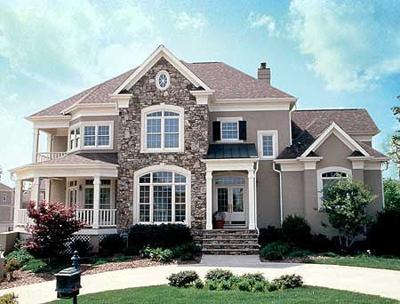
The environment is in constant change. It’s important to be as active and aware as possible when it comes to nurturing the environment around you, this can mean starting from home. What’s more, you can actually save money by building an eco-friendly house. By including ways to save energy and producing cleaner products, instead of exuding unwanted emissions, going green can be beneficial to you and your family in more than a few areas.
Staying up-to-date with environmental issues and the impact humans have on the earth will create a more healthy atmosphere for you to live in. Making the switch from waste producing products will have a significant positive impact on the earth and the air you breathe.
Keep in mind that going green could initially cost a considerable amount of money, but in the long run, you’ll actually save money and reduce your carbon footprint - which is always a good thing! Consider getting a home equity line of credit, which means using your home as collateral rather than borrowing a set dollar amount, to help finance your green home endeavors.
Location
Where are you going to build your marvelously healthy home? You’ll want to avoid environmentally sensitive areas such as places where earthquakes, flooding or hurricanes often occur. Impacting the environment in a friendly way means being mindful of where you lay your foundation. According to http://www.homebuilders.construction/a/private-builders-sydney, deciding where to build is one of the most overlooked ways to incorporate green living into your home.
Try to construct your house facing East. This will help your home remain cool, therefore utilizing less energy to create a comfortable space. Facing West means more heat and more resources used to cool down your home.
Check out public transportation and the proximity of certain businesses, like grocery stores, before building. Having fairly easy access to local places will help you reduce your amount of travel time and personal vehicle driving. The more you drive your own vehicle, the more waste is produced, unless you drive an electric car.
Building Materials
When it comes to choosing which materials to use on your house, they should consist of items that will impact the environment the least. Each part of your home, from roofing materials to siding to insulation, from cabinets to counters to floors, should emit eco-friendliness. Let’s list some desirable materials:
- Reclaimed Lumber
- Recycled Plastic or Glass
- Natural, Renewable Items - For Example: Cork, Linoleum, and Bamboo
Proper Insulation
A vital consideration when gathering everything together to build your green home is insulation. Up to half of your house’s energy consumption can come from heating and cooling.
Watch for air leaks around windows, doors, and duct work. They can be the culprit in a building’s heat loss. Properly insulating your home will reduce your energy consumption and bring your electricity bills down substantially.
Solar Panels
As a clean and renewable source of energy, solar panels are a great way to utilize the natural power around us - the sun. The change from a black life to a green life has it’s positives and negatives. Solar panels can cost upwards of a thousand dollars, but you’ll see long-term savings in no time. This is where location comes into play.
Depending on the position of your house and where you place the solar panels, you may be able to collect ample amounts of power. Using solar panels will not only bring down your energy consumption and your power bill, you might receive government grants and tax breaks as well. Energy saving can add more than power to your home!
Water Systems
Without water, life would be unbearable. Although about 71% of the earth is covered in water, more than one billion people do not have a readily available fresh source of H2O. How nice it would be to have easy access to drinkable and usable water.
A rainwater harvesting system will allow you to collect water from the roof during rain showers and store it in a tank. It can then be used for purposes such as laundry, gardening and toilets. The most common method for this is using a rain barrel. A barrel is installed underneath the downspout of the guttering of your roof. The water can then be collected as it rains. The container itself will consist of a spigot and even a hose so you can draw water from it at your leisure.
Having an extra source of water can save so much, from reducing erosion to money costs, you can’t go wrong with a rainwater harvesting system. Considering the other options of green living, they are fairly cheap to install as well.
Tankless water heaters are all the rage when it comes to energy saving. There’s no need to wait for hot water as it heats through the electric coil. No water is wasted, saving excess energy costs, and the hot water tank is eliminated so ample storage room is at your disposal.
Take Away
When constructing a productive eco-friendly house, you’ll want to cut down on your own personal use of waste producing products. By operating with less electricity, meaning turning off the lights or unplugging appliances, you’ll cut down on costs as well. Don’t forget to use recycled products when available, shower for a short amount of time and take your own reusable bags to the grocery store. Going green will help all facets of life, including your wallet, so what are you waiting for?
For Related Articles Try:
How to Spot a Real Tiffany Lamp
Interior Design with the Color Blue


(0) comments
We welcome your comments
Log In
Post a comment as Guest
Keep it Clean. Please avoid obscene, vulgar, lewd, racist or sexually-oriented language.
PLEASE TURN OFF YOUR CAPS LOCK.
Don't Threaten. Threats of harming another person will not be tolerated.
Be Truthful. Don't knowingly lie about anyone or anything.
Be Nice. No racism, sexism or any sort of -ism that is degrading to another person.
Be Proactive. Use the 'Report' link on each comment to let us know of abusive posts.
Share with Us. We'd love to hear eyewitness accounts, the history behind an article.