
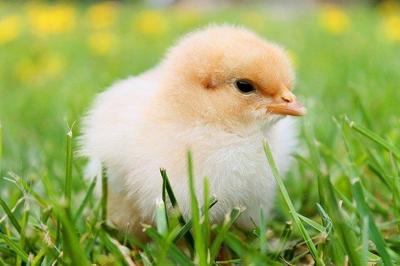

For most people, taking care of their pets is certainly a complicated task. From making sure that you have enough room to keep them in the first place to ensuring to clean up after them so they don’t smell. These tasks seem time-consuming. However, it can be pretty easy if you are interested and attached to your pet and know some of the tips regarding their care.
In this article, we will discuss how to raise happy and healthy chickens in your backyard.
Pet chickens, like dogs and cats, also have the same basic needs. It’s all about keeping them and their surroundings clean along with providing them food. These are some of the tasks that need to be managed daily to ensure their health, however, there are also some of the tasks that must be managed on a monthly, yearly, or seasonal basis. These are discussed in detail below.
Requirements For Daily Care
Providing proper food and water to your pet chickens is certainly one of the main requirements in ensuring they stay healthy. Chickens have the tendency to not drink dirty water. Making sure that their food and water are clean must be a priority. Always check up on your chickens if they are drinking enough water or not. Never let them become dehydrated as it leads to dangerous chicken illnesses and can cause their death.
For your chickens to stay healthy, your flock must be active. Chickens are the kind of pets that can easily catch viruses causing them to become ill. For this reason, you must assure that the chicken coop is cleaned and well maintained. Even though the coop will start to smell in some time, you still need to make sure to clean it up frequently. This is yet another main requirement for daily care.
In addition to that, collecting their eggs from nesting boxes is also a task that needs to be managed daily to prevent hens from sitting on them. Healthy hens supposedly lay an egg daily, however, they may skip a day in between occasionally. To help maximize freshness, do not wash or scrub the eggs. I might not be visible but eggs have a delicate membrane that is meant to protect them from bacteria.
Generally, young hens produce eggs that have typically soft shells and abnormal shapes. This is not something any of us expect, however, this is not a sign of illness and is usually very normal before they are more matured.
Requirements For Monthly Care
As mentioned above, some tasks for pet chickens include monthly care. Even though a coop requires to be cleaned daily or weekly, some tasks need to be managed monthly. This includes deep or thorough cleaning as well as a change of their bedding. If not changed monthly, chickens can catch the ammonia virus which results in respiratory illnesses.
You might also need to change or dispose of the old droppings from the chicken coop. Most people prefer placing pans or trays under roosting poles of the coop which makes the cleaning process much easier. Even some coops are designed with fitted cleaning accessories that are removed easily for clean up.
Moreover, if you have a huge flock then you must expect a huge mess made by them. You might also need to scrub the coop after every few months along with shoveling off the entire dirt. Cleaning the coop frequently will also prevent insects, pets, rats, or mice.
Requirements For Bi-Annual Care
As stated before, thoroughly cleaning or scrubbing the chicken coop is extremely necessary and must be done once or twice a year. This includes cleaning and rinsing all of the items and containers of the coop, changing the bedding, and removing the dropping. It is recommendable that the soap used for this purpose of cleaning should have a fragrance so the coop will smell a little less.
Another important task to focus on bi-annually is to take your chickens to a vet for a check-up. It is important to see if they might be suffering from any injuries. Other reasons for you to take your chickens to vet are lethargy, their droopy wings, upset stomach or diarrhea, etc. One disease in a single chicken can spread rapidly through all of your flock so a vet can help in preventing it to happen.
Requirements For Seasonal Care
As far as chicken care is concerned, some tasks need to be managed seasonally. If you live in a place that has a cold environment, then it is important for you to do your research and select the right kind of chicken breed. It is also considered that other chickens can adapt to cold weather but it takes time for them. Their metabolism changes with the change of season. For this reason, it is never a good idea to place a heater near your chicken to provide heat to their shed. This can make it harder for them to adapt to the cold temperature.
However, there are still some precautionary measures that you need to consider in the colder months for your pet chickens. This includes rubbing petroleum jelly onto their combs and wattle to protect those from frostbite effects.
Also, ensure that the water in their shed has not frozen. Remember, the water must be fresh and warm enough for them to drink. Use a water heater in their coop to give them access to fresh water. Or you can bring the water containers indoors and can check up on your chickens twice or thrice a day if they need it or not.
Even though chickens are considered to do well in cold weather, you must still keep them secure from cold drafts. It can be a huge health risk for your chickens. To help them cope with that, enclose the coop or yard with a plastic sheet or anything that will prevent the draft from entering their coop.
(0) comments
We welcome your comments
Log In
Post a comment as Guest
Keep it Clean. Please avoid obscene, vulgar, lewd, racist or sexually-oriented language.
PLEASE TURN OFF YOUR CAPS LOCK.
Don't Threaten. Threats of harming another person will not be tolerated.
Be Truthful. Don't knowingly lie about anyone or anything.
Be Nice. No racism, sexism or any sort of -ism that is degrading to another person.
Be Proactive. Use the 'Report' link on each comment to let us know of abusive posts.
Share with Us. We'd love to hear eyewitness accounts, the history behind an article.