
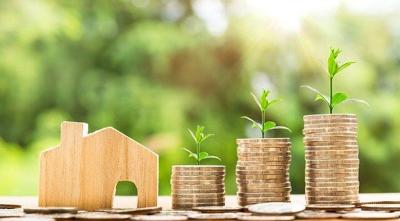

Buying your first property is sure to be exciting, but the process also comes with plenty of practicalities you need to address. The top of the list is budgeting. To make sure you are budgeting for your first home correctly, you must understand the costs involved.
Mortgage Rates
Many things affect the mortgage interest rates of the property market, such as economic growth, inflation, the bond market, and the Federal Reserve’s interest rate moves. But when it comes to getting a mortgage rate for you, the critical factor is your financial health. If you have an excellent credit score, you should have no issue accessing the best mortgage rates available. But the lower your financial standing, the more limited your mortgage rate options will be. Find out more about current mortgage rates from MoneyWise so you can gain an idea of how much your mortgage rate will be.
The 28% Rule
You need to know whether you can afford the mortgage before you proceed with the purchase of a home. The general rule of thumb is your mortgage should not be more than 28% of your gross monthly income. But you also need to factor in other costs and debts to know how much you can afford to spend on your first home.
Other Home-owning Expenses
The budget you need for owning your first home does not just apply to your mortgage. There are lots of other costs you need to think about so you can calculate your budget accordingly. They include utility costs, maintenance costs, and homeowner insurance. It would be best if you also considered property taxes. Such expenses can soon add up and affect your monthly outlays a lot more than you think. Make sure you know all of the costs associated with the specific property you are thinking of buying to work out whether you can afford it in financial reality.
Down Payment
The down payment will be your most considerable upfront cost, so you need to know you can afford it before proceeding with making an offer on a property. Typically, lenders require homebuyers to put down at least 20% of the purchase price in cash. It is possible to put down a lower amount and still get a mortgage with some lenders. However, that will usually come with additional costs like the expense of private mortgage insurance, meaning your mortgage payment can go up between 0.5% and 1% each month.
Closing Costs
Do not forget closing costs. After you have calculated your finances, set a budget, got a mortgage, and made a down payment, you need to pay closing costs. So, it is vital you budget for that expense. Closing costs are typically between 2% and 5% of the property purchase price. Next to the down payment, closing costs are therefore your highest cost. If you buy a house for $200,000, your closing costs will be between $4,000 and $10,000.
Final Thoughts
Looking at such big numbers may make you feel overwhelmed about buying a property. But as long as you do all of the calculations and set a budget accordingly, you will be nicely prepared to begin the fun part: looking for your very first home.


(0) comments
We welcome your comments
Log In
Post a comment as Guest
Keep it Clean. Please avoid obscene, vulgar, lewd, racist or sexually-oriented language.
PLEASE TURN OFF YOUR CAPS LOCK.
Don't Threaten. Threats of harming another person will not be tolerated.
Be Truthful. Don't knowingly lie about anyone or anything.
Be Nice. No racism, sexism or any sort of -ism that is degrading to another person.
Be Proactive. Use the 'Report' link on each comment to let us know of abusive posts.
Share with Us. We'd love to hear eyewitness accounts, the history behind an article.