
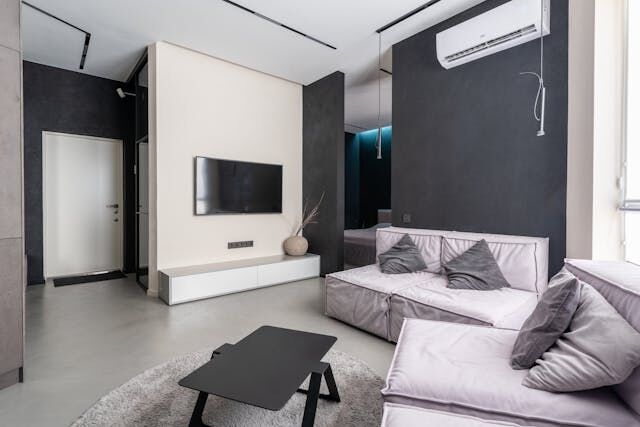
Air conditioning is essential for maintaining a comfortable home during the warmer months, but it can also account for a significant portion of your energy bills. The good news is that by taking a few steps to maximize the efficiency of your air conditioning system, you can enjoy cool comfort while keeping your power costs down. In this guide, we’ll explore how your air conditioner can become more energy-efficient, and how those changes can lead to real savings on your energy bills.
1. Upgrade to an Energy-Efficient Model
One of the most impactful ways to lower your air conditioning costs is to invest in a modern, energy-efficient unit. Air conditioners with higher SEER (Seasonal Energy Efficiency Ratio) ratings use less energy to cool your home, which translates to lower energy bills.
Benefits of Energy-Efficient Models:
Lower running costs: Newer models require less energy to achieve the same cooling effect, resulting in immediate savings.
Reduced environmental impact: Efficient models consume less electricity, helping to lower your carbon footprint.
Improved cooling performance: Modern air conditioners often come with advanced features, such as smart thermostats and variable-speed compressors, which provide better temperature control.
If you’re considering an upgrade, look for units with high SEER ratings, or those certified by energy-saving programs like ENERGY STAR®. While the initial investment may be higher, the long-term savings in energy costs make it worthwhile.
2. Use a Programmable Thermostat
A programmable thermostat is a simple yet effective tool to manage your air conditioner’s energy consumption. With this device, you can set your system to automatically adjust the temperature based on your schedule. For example, you can increase the temperature slightly when no one is home, and lower it again just before you return, ensuring that you’re not cooling an empty house.
Advantages of Programmable Thermostats:
No more wasted energy: Automatically adjusting the temperature when you're not home prevents unnecessary energy usage.
Convenient control: Set it and forget it—once programmed, your air conditioner will run efficiently without constant manual adjustments.
Custom settings: Some thermostats allow you to set different schedules for weekdays and weekends, tailoring cooling to your lifestyle.
For even greater control, consider a smart thermostat that can be accessed remotely via a smartphone app. This feature lets you adjust the temperature no matter where you are, ensuring that your home is only being cooled when necessary.
3. Maintain Your Air Conditioner Regularly
Proper maintenance is crucial for ensuring your air conditioner runs efficiently. Without regular upkeep, your system will work harder to cool your home, using more energy in the process. Simple tasks like cleaning filters and checking for leaks can improve efficiency and extend the life of your unit.
Essential Maintenance Tips:
Change air filters regularly: Dirty filters restrict airflow, causing your system to work harder. Experts recommend checking and changing filters every 1-3 months, depending on use and environment.
Clean the coils: Over time, the evaporator and condenser coils can collect dirt, reducing their ability to absorb and release heat. Cleaning the coils helps the system run smoothly.
Inspect for leaks: Check your air ducts for any leaks that could be letting cool air escape. Sealing these leaks will ensure that all cooled air stays inside your home, increasing efficiency.
Scheduling a professional service once a year is a good way to catch any potential issues early and keep your air conditioner in top shape.
4. Optimize Your Home’s Insulation and Sealing
Even the most efficient air conditioner can’t perform well if your home isn’t properly insulated. Poor insulation allows cool air to escape and hot air to enter, forcing your air conditioner to work overtime. By improving your home’s insulation and sealing, you can reduce the amount of energy needed to maintain a comfortable temperature.
Ways to Improve Insulation:
Seal gaps and cracks: Check around doors, windows, and any other openings for drafts. Use weatherstripping or caulk to seal these areas.
Insulate your attic and walls: Insulating these areas can prevent heat from entering your home and reduce the workload on your air conditioner.
Install energy-efficient windows: Double-glazed windows can reduce heat transfer, helping to keep your home cooler in the summer and warmer in the winter.
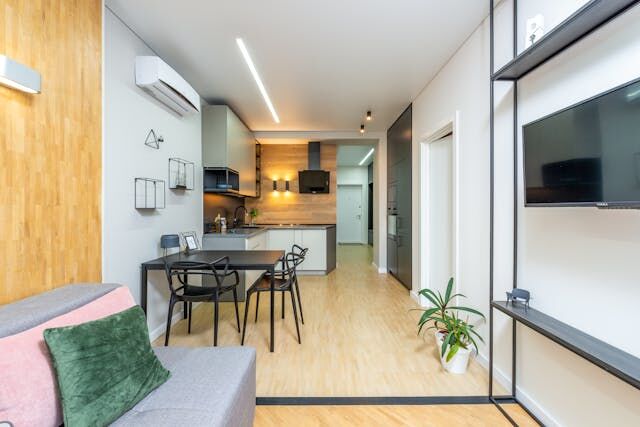
By optimizing your home’s insulation, you not only improve comfort but also reduce the need for your air conditioner to work harder, leading to significant savings on energy costs.
5. Use Fans to Enhance Air Circulation
Ceiling fans and portable fans are excellent tools to help circulate cool air throughout your home, making it feel cooler without having to lower the thermostat. When used in conjunction with your air conditioner, fans can reduce the need for heavy air conditioning usage, allowing you to raise the temperature on your thermostat without sacrificing comfort.
How Fans Help with Efficiency:
Create a wind-chill effect: Fans help create a breeze that makes you feel cooler, allowing you to comfortably set the thermostat a few degrees higher.
Circulate cool air: In rooms where air circulation might be limited, fans can help move the air around more evenly.
Reduce reliance on air conditioning: In mild weather, fans may be enough to keep you cool without turning on the air conditioner at all.
To maximize the benefits, ensure ceiling fans are rotating counterclockwise in the summer, which pushes air down to create a cooling breeze.
6. Block Out the Heat
Another simple but effective way to reduce the load on your air conditioner is to block out heat from the sun. Direct sunlight entering your home can quickly raise the indoor temperature, making your air conditioner work harder to maintain comfort. By using heat-blocking strategies, you can keep your home cooler naturally.
Heat-Blocking Strategies:
Close blinds and curtains: During the hottest parts of the day, close your blinds or curtains to block out direct sunlight.
Use reflective window films: These films can reflect heat away from your home, reducing the amount of warmth entering through windows.
Install awnings or shade trees: Awnings and trees can provide natural shade, keeping the sun from heating your home.
These simple methods can significantly lower the temperature inside, reducing the workload on your air conditioner and lowering your energy bills.
Small Changes, Big Savings
Maximizing the energy efficiency of your air conditioner doesn’t have to involve expensive upgrades or complicated solutions. By making small adjustments—like upgrading to an energy-efficient model, using a programmable thermostat, maintaining your system, improving insulation, using fans, and blocking out heat—you can significantly reduce your energy consumption and lower your power bill.
In the long run, these strategies will not only save you money but also help your air conditioner last longer, keeping your home comfortable for years to come.
(0) comments
We welcome your comments
Log In
Post a comment as Guest
Keep it Clean. Please avoid obscene, vulgar, lewd, racist or sexually-oriented language.
PLEASE TURN OFF YOUR CAPS LOCK.
Don't Threaten. Threats of harming another person will not be tolerated.
Be Truthful. Don't knowingly lie about anyone or anything.
Be Nice. No racism, sexism or any sort of -ism that is degrading to another person.
Be Proactive. Use the 'Report' link on each comment to let us know of abusive posts.
Share with Us. We'd love to hear eyewitness accounts, the history behind an article.