
It is important to look at death because it is a part of life. It is a sad thing, melancholy but romantic at the same time. It is the end of a cycle – everything has to end. The cycle of life is positive because it gives room for new things. – Lee Alexander McQueen
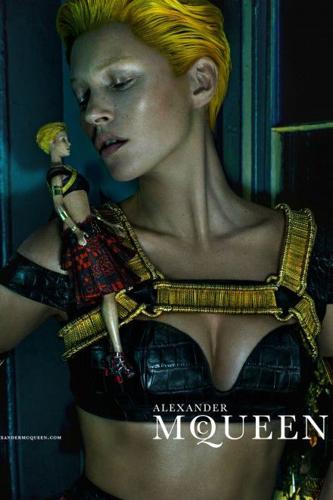
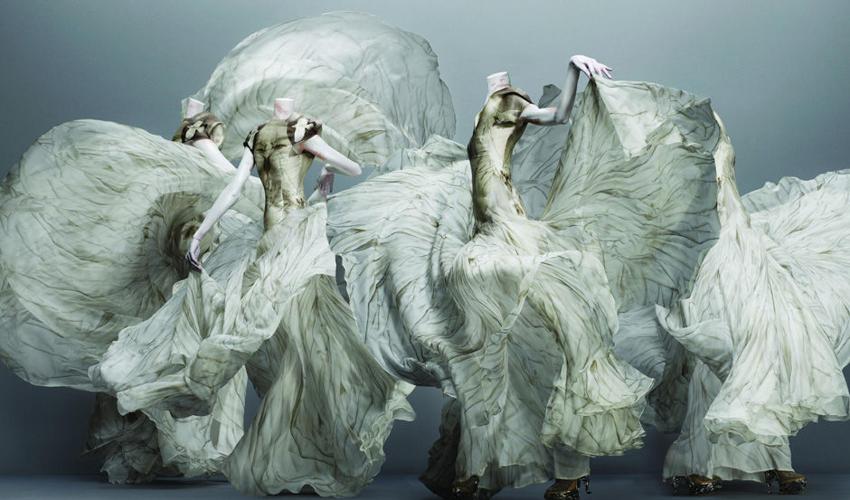
Alexander McQueen is what fashion ought to be. A crossbreed of the avant-garde and superior craftsmanship. Each collection is an obliging slave to the couturier; the divine manifestation of a sartorial demigod. That deity being the late Lee Alexander McQueen, who, upon departing this life, left behind a legacy of, what could be plausibly described as, ethereal runway shows. Unmatched in their fantastical nature, they are the facet of the house that won an audience outside of the fashion industry, making front-page news and headlines throughout Lee’s reign. Models were elevated into creatures of superhuman power in towering shoes and silhouettes exploding with flowers, horsehair, feathers, and shells. His romance, his Gothicism, his love of women: these are all tenets of the house that have survived past his explicit direction.
It is nearly five years since Alexander McQueen—or ‘Lee,’ as he was affectionately called—committed suicide in his Green Street, London home. McQueen died nine days after his mother Joyce had died from cancer at the age of seventy-five. The designer’s suicide sent ripples throughout the art community: Lady Gaga dedicated a song, Fashion of His Love, to him on her third album, ‘Born This Way’; Bjork, wearing a McQueen outfit, sang her rendition of Gloomy Sunday at the memorial at St. Paul’s Cathedral in London; veteran models Naomi Campbell, Kate Moss, and Annabelle Neilson paid visual tribute by wearing his distinctive ‘manta’ dresses.
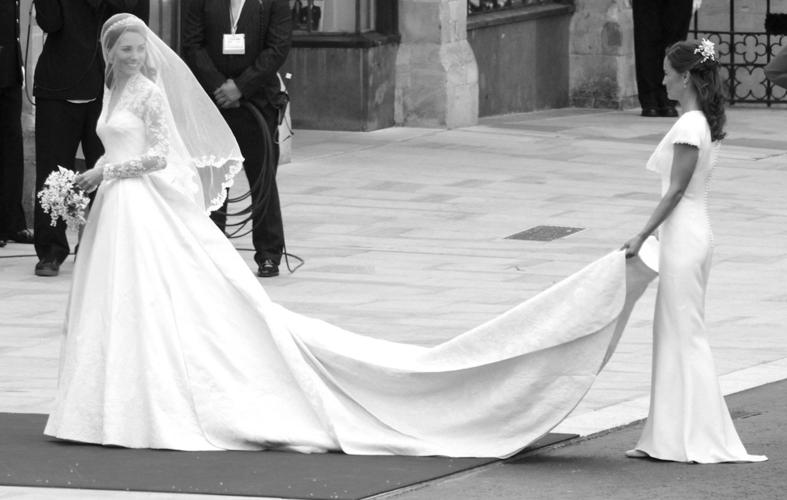
The then Head of Womenswear Sarah Burton, assumed the throne as creative director (a position of which she never sought) of Alexander McQueen in the May following Lee’s passing. As McQueen’s protégé and friend, Burton was devastated—she finished the season’s collection, and, soon after, in the hot glare of speculation, made the wedding dress of the decade, for the Duchess of Cambridge.

Kate Middleton, the Duchess of Cambridge, in a custom Alexander McQueen designed gown
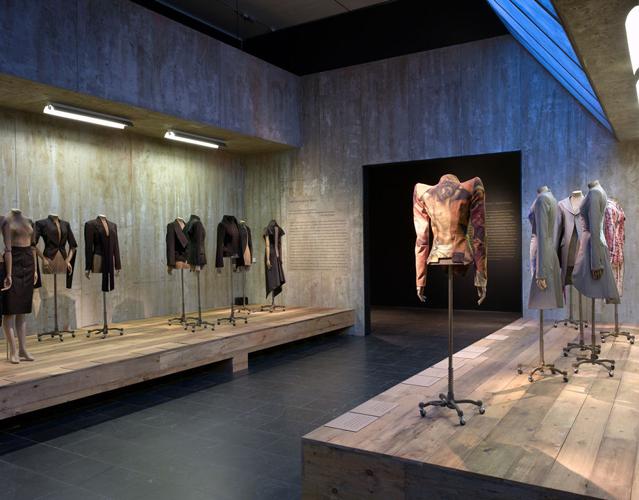
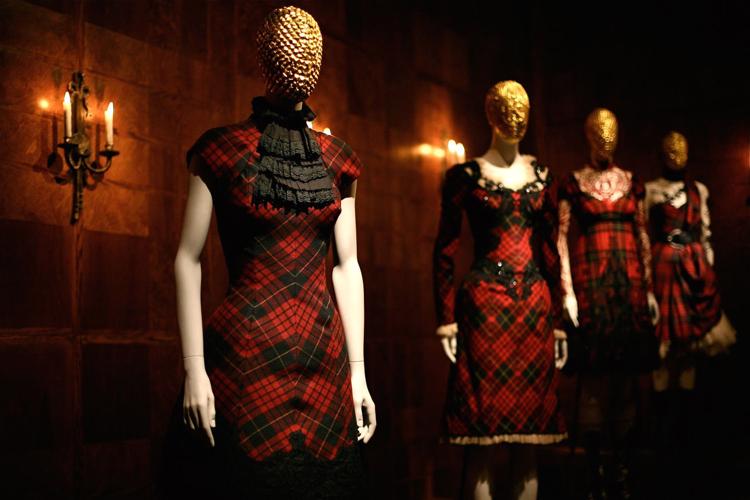
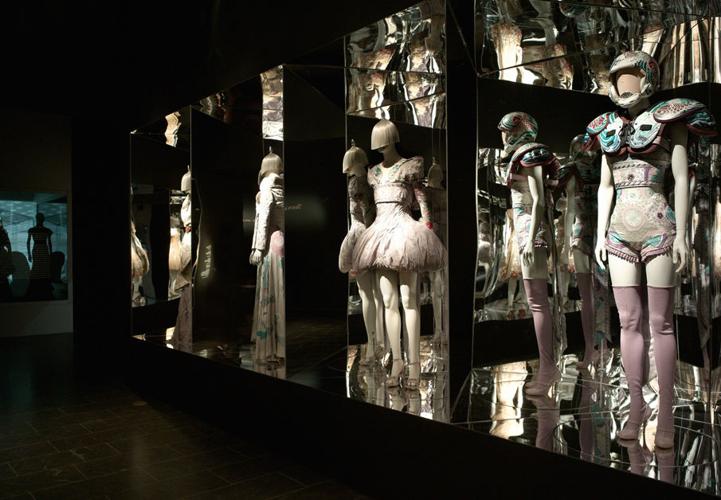
The most poignant and monumental tribute, however, was the Metropolitan Museum of Art’s (the Met) posthumous exhibition of McQueen’s work, titled Savage Beauty. The New York exhibit featured six collections: The Romantic Mind, Romantic Gothic, Romantic Nationalism, Romantic Eroticism, Romantic Primitivism, and Romantic Naturalism. The exhibition’s elaborate staging included unique architectural finishes and soundtracks for each dedicated room. On Lee Alexander McQueen, Thomas P. Campbell, director of the Met, wrote:
There are any number of fashion designers with the creative distinction to warrant a presentation of their work in an art museum. But I can think of few whose careers fit as easily within the language and methodologies of art history as that of Alexander McQueen…McQueen’s designs address themes normally beyond the ambitions of fashion. From his prescient work to his final elegiac collection, his most compelling designs are imbued with recurring narrative, aesthetic, and technical leitmotifs. And yet, his work never devolves into predictability. (from Alexander McQueen: Savage Beauty)
Mythic images of chivalry, brutality, and romance, ideals of heroic women, beauty in the unconventional—these ideas infused McQueen’s designs with an unparalleled emotional depth and challenged viewers to embrace new ideas about gender, history, and nature. For McQueen, love was the most exalted of human emotions; and fashion provided McQueen with a conduit for the conceptual expression of love—both in its agonies and its ecstasies. The expression was frequently autobiographical; honest pain projected against a blank canvas that would eventually morph into a sartorial work of art.
However, for McQueen, fashion was not simply an expression of his own emotions. Fashion was a catalyst for the generation and cultivation of a heightened sensitivity to feelings. Commenting on the impact of his collections, he observed that "For people who know McQueen, there is always an underlying message. It’s usually only the intellectual ones who understand what’s going on in what I do" (brainyquotes). Fashion is not simply meant to be seen, but felt—an affection McQueen reserved for the keen of heart and mind.
Remembering the Couturier's Collections
My collections have always been autobiographical, a lot to do with my own sexuality and coming to terms with the person I am—it was like exorcising my ghosts in the collections. They were to do with my childhood, the way I think about life and the way I was brought up to think about life. – Lee

THE ROMANTIC MIND
A meditation on the Romantic individual, the hero-artist who staunchly follows the dictates of his inspiration…

THE ROMANTIC GOTHIC
Historicism is a defining characteristic of McQueen collections. He was particularly inspired by the nineteenth century, especially the Victorian Gothic...

ROMANTIC NATIONALISM
McQueen’s collections were fashioned around elaborate narratives that are profoundly autobiographical, often reflecting his Scottish heritage...

ROMANTIC EXOTICISM
McQueen’s romantic sensibilities expanded his imaginary horizons not only temporarily but also geographically…
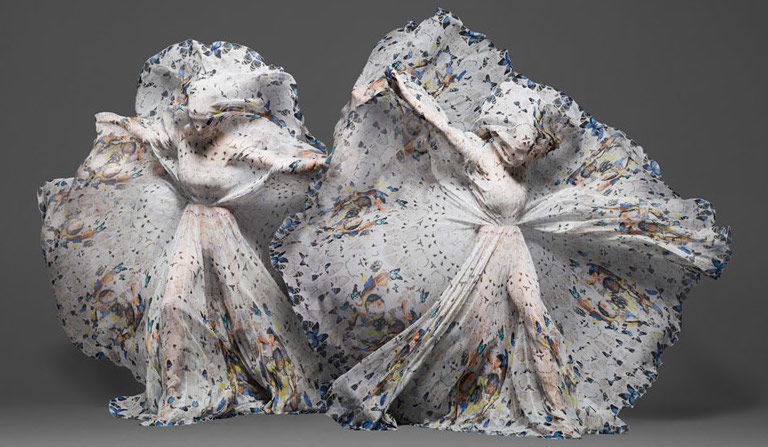
ROMANTIC PRIMITIVISM
An exploration of the idea of the noble savage living in harmony with the natural world...

ROMANTIC NATURALISM
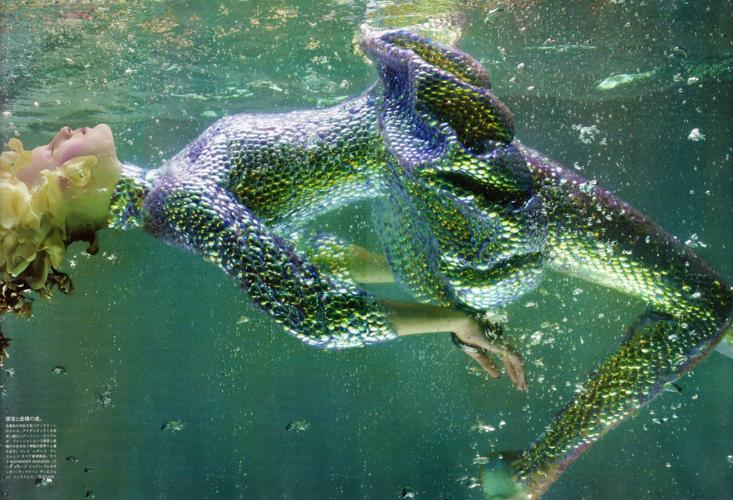
Nature was perhaps the most enduring of influences upon McQueen...

(0) comments
We welcome your comments
Log In
Post a comment as Guest
Keep it Clean. Please avoid obscene, vulgar, lewd, racist or sexually-oriented language.
PLEASE TURN OFF YOUR CAPS LOCK.
Don't Threaten. Threats of harming another person will not be tolerated.
Be Truthful. Don't knowingly lie about anyone or anything.
Be Nice. No racism, sexism or any sort of -ism that is degrading to another person.
Be Proactive. Use the 'Report' link on each comment to let us know of abusive posts.
Share with Us. We'd love to hear eyewitness accounts, the history behind an article.