
Muscle recovery is essential for repairing microtears and preventing injuries.
Popular recovery methods include rest, active recovery, nutrition, and buying ice baths for recovery.
Ice baths reduce inflammation and muscle soreness by constricting blood vessels.
Emerging technologies like cryotherapy and wearable devices are revolutionizing recovery.

Muscle recovery is crucial for anyone who engages in regular physical activity, whether you're an athlete or a fitness enthusiast. Understanding the science behind muscle recovery can help you optimize your routine and avoid injuries. In this blog, we’ll explore various evidence-based recovery methods, and how they work to repair and rejuvenate your muscles. By the end, you'll have a clear idea of which strategies are most effective and why they matter.
Understanding Muscle Recovery
Muscle recovery is a critical aspect of fitness that often gets overlooked. When you engage in intense physical activity, your muscles undergo stress and minor damage, which is a natural part of the muscle-building process. However, this also means that your body needs time and resources to repair those muscle fibers, allowing them to grow back stronger.
During exercise, especially in high-intensity workouts, your muscles experience microtears. These microtears are a normal and necessary part of building muscle mass, but without proper recovery, they can lead to prolonged soreness, fatigue, and even injury. This is why recovery isn’t just about feeling better after a workout; it’s a crucial part of improving your overall fitness.
Several factors influence how effectively your muscles recover. These include the intensity and duration of your workouts, your overall health and nutrition, and the recovery methods you use. By understanding what happens to your muscles during and after exercise, you can make better choices about how to support your body’s natural healing processes.
Popular Muscle Recovery Methods
When it comes to muscle recovery, there are several tried-and-true methods that athletes and fitness enthusiasts rely on. Each technique plays a different role in helping your muscles heal and rebuild, and understanding these can help you create a well-rounded recovery routine.
Rest and Active Recovery Techniques
Rest is the simplest and most fundamental method of muscle recovery. Giving your muscles time to repair themselves is crucial, especially after intense workouts. However, active recovery—low-intensity activities like walking, swimming, or yoga—can also be beneficial. These activities help increase blood flow to the muscles, delivering oxygen and nutrients that aid in the healing process without putting additional strain on your body.
The Role of Nutrition in Muscle Recovery
Nutrition is another key player in effective muscle recovery. After a workout, your body needs protein to repair muscle fibers and carbohydrates to replenish glycogen stores. Incorporating a balanced diet rich in these nutrients, along with adequate hydration, can significantly enhance your recovery process. Supplements like BCAAs (branched-chain amino acids) and omega-3 fatty acids are also popular for their muscle-repairing properties.
Ice baths
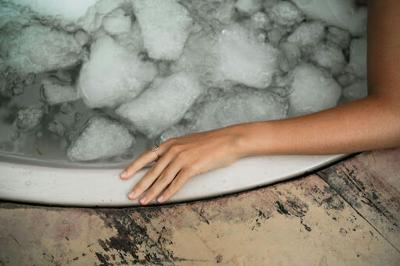
One increasingly popular method is cold therapy, particularly when you buy ice baths for recovery. Ice baths work by constricting blood vessels and reducing inflammation, which can significantly reduce muscle soreness after intense physical activity. When you immerse yourself in cold water, the temperature drop triggers a flush of fresh, oxygenated blood to your muscles once you get out, promoting faster healing. Ice baths are particularly favored by athletes for their effectiveness in speeding up recovery times and reducing the risk of injury.
The Science Behind Ice Baths
Ice baths, also known as cold water immersion, have a strong scientific basis for their effectiveness in muscle recovery. When you submerge your body in cold water, the extreme temperature causes blood vessels to constrict, which reduces inflammation and numbs sore tissues. This is why ice baths are particularly effective immediately after intense workouts or competitions.
Scientific studies support the use of cold therapy in reducing delayed onset muscle soreness, which is the stiffness and pain that typically occurs 24 to 48 hours after strenuous exercise. By reducing the inflammation associated with muscle microtears, ice baths help accelerate the recovery process, allowing athletes to maintain a high level of performance over consecutive training sessions.
To get the most out of ice baths, it’s recommended to stay in the cold water for about 10 to 15 minutes at a temperature between 50 to 59 degrees Fahrenheit (10 to 15 degrees Celsius). This duration and temperature are optimal for reducing soreness without causing discomfort or cold-related issues.
Comparing Recovery Methods
While ice baths are effective, they’re not the only recovery method available. Comparing the different options can help you decide which ones are best suited to your needs.
For instance, while ice baths are great for immediate post-exercise recovery, other methods like foam rolling and stretching are more beneficial for maintaining flexibility and preventing muscle tightness. Rest and proper nutrition are universal necessities, no matter what your recovery routine looks like.
It’s also worth noting that combining different recovery methods can provide synergistic benefits. For example, incorporating ice baths along with proper nutrition and light stretching can give you a comprehensive recovery strategy that addresses muscle repair, inflammation reduction, and flexibility maintenance all at once.
The Future of Muscle Recovery
As science continues to advance, so do the methods for muscle recovery. New technologies are emerging that promise to revolutionize the way we approach recovery. One such innovation is the use of cryotherapy chambers, which expose the body to extremely low temperatures for short periods. These chambers offer a more intense form of cold therapy than traditional ice baths and are gaining popularity in professional sports.
Another promising area of research is the development of wearable recovery devices that use electrical stimulation to promote muscle repair. These devices are designed to be worn during and after workouts, providing targeted therapy to specific muscle groups.
As these technologies become more accessible, they’re likely to complement and enhance existing recovery methods, giving athletes and fitness enthusiasts even more tools to optimize their performance.
Effective muscle recovery is more than just a post-workout routine; it's a vital part of any fitness journey. By understanding the science behind various recovery methods, you can choose the techniques that work best for your body and your goals. Whether you prefer the simplicity of rest and nutrition, the targeted relief of ice baths, or the cutting-edge promise of emerging technologies, there’s a recovery method out there that can help you stay on top of your game.

(0) comments
We welcome your comments
Log In
Post a comment as Guest
Keep it Clean. Please avoid obscene, vulgar, lewd, racist or sexually-oriented language.
PLEASE TURN OFF YOUR CAPS LOCK.
Don't Threaten. Threats of harming another person will not be tolerated.
Be Truthful. Don't knowingly lie about anyone or anything.
Be Nice. No racism, sexism or any sort of -ism that is degrading to another person.
Be Proactive. Use the 'Report' link on each comment to let us know of abusive posts.
Share with Us. We'd love to hear eyewitness accounts, the history behind an article.