
So you're considering adding a garage to your home. That's a fantastic idea! But before you dive in, there are a few key factors you'll need to think about. After all, a garage is more than just a place to park your car — it's an extension of your home. Let's guide you through the crucial points to ponder before adding this essential space to your property.
Codes and Permits
Adhering to local codes and obtaining necessary building permits is an essential step in your garage addition project. This process ensures your construction meets safety standards and complies with zoning regulations and laws. Ignoring this could lead to potentially hazardous structures, legal issues, and substantial fines.
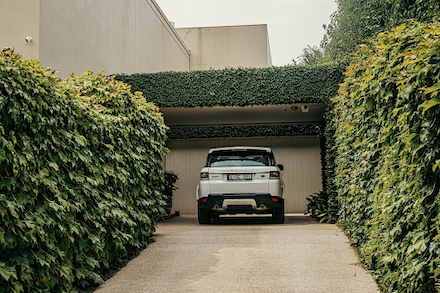
Moreover, when selling your home, potential buyers or inspectors may require proof of permits. Without them, you might have to tear down your garage or make costly modifications. So, never overlook this step! Be sure to check with your local building department for specific guidelines or hire a professional contractor familiar with these regulations. Doing this upfront not only safeguards your investment but also contributes to the safety and integrity of your community's built environment.
Design
With modern architectural solutions, there are tons of different designs you can choose for your newly built garage. Here are some popular ones:
Attached
Detached
Tandem
Drive-through
Garage with living space above
Workshop garage
Multi-purpose
RV or boat
Classic car garage
Green
Carport
Underground garage
Considering the design during garage planning is elemental for various reasons. Primarily, it ensures that your garage blends harmoniously with your home's architectural compatibility and style, enhancing its visual appeal and bringing a potential property value enhancement. It also facilitates efficient space utilization, enabling you to maximize storage and functionality.
Furthermore, a well-designed garage ensures proper ventilation, lighting, and accessibility, contributing to a comfortable and practical environment. Lastly, considering the design allows for future modifications or expansions, providing flexibility as your needs evolve. Hence, a thoughtful design process is crucial in creating a garage that is not only aesthetically pleasing but also functionally efficient and adaptable. Consulting with professional garage builders can help you explore tailored options based on your property layout and local requirements. Their expertise ensures the final structure aligns with both your lifestyle needs and compliance standards.
Purpose
The primary purpose of your garage should be the guiding factor in its design and construction. Why is this so important? Well, a garage designed primarily for parking vehicles requires a different layout and features compared to a garage that doubles as a workshop, storage space, or recreational area. Factoring in the purpose will influence the size, flooring, ventilation, electrical requirements, and even the type of doors and windows your garage will need.
By clearly defining the purpose, you can ensure your garage will be fit for use and serve you effectively. Also, foreseeing its primary use will help you allocate a suitable budget, preventing any unnecessary expenses. People who want to build carports opt for Nordic wood garages that provide a cost-effective and durable solution, while others who need a workshop may require more electrical outlets and adequate lighting. So, take the time to consider the purpose of your garage before you start planning the details. It will save you time, money, and headaches in the long run.
Budget
A well-planned budget is essential before doing this kind of home improvement as it guides your spending and avoids financial surprises. It's crucial to remember that the cost of a garage goes beyond the initial build, encompassing elements like insulation, electrical wiring, and potentially even plumbing. The budget will also dictate the type of materials you can use, the size of the garage, and whether you can afford additional features like customized storage or high-end door mechanisms.
Additionally, budget consideration helps in maintaining the balance between the desired garage and the return on investment, especially if you plan to sell your property in the future. An overly expensive garage may not significantly increase property value, leading to a loss. So, plan your budget thoughtfully, ensuring it aligns with your needs, wants, and financial capacity.
Site Preparation
Site preparation involves examining the land for any potential issues such as uneven terrain, poor soil conditions, or drainage problems, which could later compromise the stability of your garage. Proper site preparation also ensures that the ground can support the weight of the structure, preventing sinking or shifting over time.
Moreover, it allows for the identification and relocation of any utilities or obstacles within the construction area. Ignoring this step could lead to costly repairs or adjustments in the future. Therefore, engaging in meticulous site preparation is a prudent investment of your time and resources, ensuring a smooth construction process and a durable, safe, and efficient garage.
Utilities and Amenities
It's absolutely essential that all the infrastructure is set up right in your garage. Also, make sure that it contains all the amenities you might need. Here are some essential considerations:
Electricity
Insulation
Heating and cooling
Plumbing
Ventilation
Security systems
Storage
Workbench and tools
Flooring
Fire safety
Natural light
Backup power source
Internet and communication
Entertainment systems
Automated door opener
Climate control
Specialized equipment
Waste management
Considering utilities and amenities before adding a garage is crucial as it impacts usability and comfort. Electricity, insulation, heating, and ventilation determine the garage's functionality for various uses, beyond just parking. Amenities like storage, workbenches, and security systems enhance convenience and safety. Also, planning for these aspects in advance ensures proper integration within the structure and avoids costly, disruptive retrofitting later on. Thus, foresight in utilities and amenities significantly contributes to a versatile, efficient, and comfortable garage space.
Contractor Selection
Your contractor is not only responsible for the physical construction but also has a profound impact on planning, budgeting for the garage, and adhering to codes and permits. A skilled contractor brings technical expertise, ensuring the structural integrity, safety, and longevity of your garage. They also provide guidance on design considerations and material choices, aligning them with your functional needs and aesthetic preferences.
Furthermore, a reputable contractor maintains transparency in cost estimates, helping you stay within your budget. Lastly, they navigate local regulations, obtain necessary permits, and ensure compliance, saving you from potential legal ramifications. Thus, your contractor selection significantly influences the outcome, efficiency, and satisfaction of your garage addition project.

In conclusion, adding a garage to your home is an exciting venture that necessitates careful planning. By taking into account design, budget, site preparation, utilities, amenities, and the right contractor, you'll create a functional, valuable addition to your property. Remember, a well-planned garage not only enhances your home's appeal but also your lifestyle, providing convenience and flexibility tailored to your specific needs. Happy building!
Here are some other articles related to your search:
(0) comments
We welcome your comments
Log In
Post a comment as Guest
Keep it Clean. Please avoid obscene, vulgar, lewd, racist or sexually-oriented language.
PLEASE TURN OFF YOUR CAPS LOCK.
Don't Threaten. Threats of harming another person will not be tolerated.
Be Truthful. Don't knowingly lie about anyone or anything.
Be Nice. No racism, sexism or any sort of -ism that is degrading to another person.
Be Proactive. Use the 'Report' link on each comment to let us know of abusive posts.
Share with Us. We'd love to hear eyewitness accounts, the history behind an article.