

Introduction
Urine tests are simple and common ways for doctors to find out if anything abnormal is happening in your body. Catching problems early helps the doctors work out if you need medicines or other therapy to get better.
Understanding the Importance of Urine
Urine contains clues that reveal more than just body filtration. It holds markers that throw light on vital organ functions. Analyzing these urine chemicals tells doctors about overall health from troubles deep inside. Strange smells, colors, shapes, or amounts in urine can help figure out any illnesses. Information is taken from urine for disease testing in hospitals, clinics, insurance exams, and even sporting events. Your urine health record is vitally important.
Types of Urine Tests
There are several ways urine gets inspected, using simple tools and machines:
Visual Inspection: The color, thickness, cloudiness, and smell of urine help find an issue. Reddish, brownish, or really dark yellow-colored urine needs more tests. Strong strange smells also require investigation. Doctors use visual cues to get an early signal.
Dipstick Test: A flat stick coated with special pads gets dipped into urine to find chemicals signifying disease. Pads rapidly change color whose depth indicates protein levels, glucose traces, and contaminants. This basic dipping method quickly detects many abnormal signals through color changes on the stick’s surface.
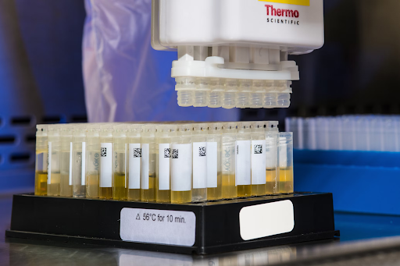
Microscopic Examination: A few drops of urine spun very fast concentrating solids like blood cells, casts, and crystals for lab technicians to study under microscopes. Microscopes reveal the shape and size of red and white cells missed by the naked eye indicating infection type and severity. Certain patterns of crystals or debris establish deeper medical conditions.
Urine Culture: Urine solids like bacteria and yeasts not seen through microscopy need culturing for a few days to multiply and then find infections. Culture plates show microbes causing urinary tract infections (UTIs). Identifying germs and giving the right antibiotics fixes UTIs. Chemical reactions help find rare growths.
What Urine Tests Can Reveal
Urine testing can provide valuable information about a wide array of health conditions:
Urinary Tract Infections (UTIs): Urine cultures catch the organism and antibiotic sensitivity is most effective for treatment. Microscopes reveal white blood cells showing an immune response to infections.
Kidney Diseases:Proteins, blood traces, or casts in urine act as markers revealing both acute and progressive kidney damage. This allows for preventing further injury through drugs or dialysis interventions boosting function.
Diabetes: Excess sugar leaving through urine flags insulin regulation issues before irreparable organ damage develops. Doctors modify medicine doses or diet noticing spikes through dipstick urine monitoring.
Liver Diseases: Irregular bilirubin pigment metabolism due to liver infection or blockage gets quickly sampled through urine dipstick pads changing color. Further hepatitis-specific tests then establish reasons and recovery options.
Pregnancy: Hormonal changes show the presence of pregnancy hormone HcG turning instant indicator sticks positive after missing periods during early conception itself before tummy growth happens later. It allows quicker confirmation and checkup guidance.
Drug Testing: Traces confirming the presence of banned substances consumed earlier get detected through urine much earlier than blood tests, allowing sporting agencies to catch athletes with performance enhancers or narcotics. Pre-employment screens also sample urine. Urine testing using the Urinator may help your test come back clear for such substances.
Preparing for a Urine Test
In most cases, urine tests require minimal preparation. However, it is essential to follow any specific instructions provided by your healthcare provider. Here are some general guidelines:
Cleanliness: Wash hands thoroughly with soap and water before collecting to prevent contamination from external bacteria common on hands infecting sterile samples.
Midstream Sample: Pass the first urine stream for a few seconds before filling the cup midway for the cleanest specimen with lesser pubic bacteria versus the first dirty portion.
Timing: Morning samples carry the highest concentration revealing abnormal metabolites best. But give any passed sample as asked urgently. Missing period allows preservatives in sample cups to become ineffective.
Medications: Update doc on any meds, vitamins taken recently influencing color, and sugar amounts needing allowance while interpreting results to check true health status. Some drugs need to be stopped temporarily before collecting samples.
Collecting a Urine Sample
Various simple techniques assist in gathering urine devoid of external contaminants:
Clean-Catch Midstream: Passing initial dirty urine flow before collecting the middle portion minimizes exposure to genital bacteria outside eliminating infection confusion later. Useful where UTIs are suspected.
First Morning Sample: After sleep, the first empty bladder urine carries the highest proof of inner night-time kidney activities showing abnormal cells or byproduct levels accurately signaling diseases missed in later diluted versions easily. Check diabetes or serious kidney dysfunction effectively.
Random Sample: No prep needed, any casual urine will be done when screening or monitoring standard health factors, for patients challenged by giving midstream samples. Suitable for routine dipstick checks minus microscope though.
Catheterization: Using a thin sterilized tube inserted directly into the bladder extracting pure urine untouched from infection sources. Vital where middle flow collection becomes difficult for patients. Necessary before some surgeries too or bedridden cases.
Suprapubic Aspiration: In rare cases, a thin needle draws fluid directly through the abdominal skin piercing bladder guided by scan images from people having urinary obstruction unable to void naturally. Done as a last resort.
Pediatric Collection: Special urine collection bags with sticky seals fit around genitals collecting drops for infants or toddlers unable to consciously provide cup samples by themselves as needed for young ones.
Common Questions About Urine Testing
Collection Frequency? Tests get ordered as necessary by doctors to check drug usage, pregnancy, infections or monitor known conditions – not needed for healthy people.
Is it Painful? Urine tests are fully painless needing only a few minutes for quick sample collection on demand. No injections are involved.
Can I drink Water Before? Yes – but very little only to make it easier to go as excess water dilutes chemicals changing results.
What if I Miss The Pot? Don’t fret over slight spills or stains from midstream catches. Take a deep breath and give another steady attempt. It happens with anyone initially before getting the hang of directed peeing!
Do Medications Affect Results? Inform doctors on any medication already prescribed or bought over the counter before sample collection as few drugs influence color or chemistry necessitating allowance adjusting analysis.
Urine tests offer effortless yet powerful health insights through varied approaches examining expelled body fluids via direct visuals, simple reactive dipsticks, lab microscope scans, or growth cultures detecting infectious organisms. From diabetes monitoring to spotting silent kidney issues, analyzing urine offers warning signals to commence therapy preventing irreversible organ damage. With minimal preparation needed for collection, urine testing offers a risk-free investigation of genesis areas of medical conditions allowing physicians to make apt intervention choices early.
Related Article:
Discover the Top Ways to Test for Substance Use at Home: Easy Guide


(0) comments
We welcome your comments
Log In
Post a comment as Guest
Keep it Clean. Please avoid obscene, vulgar, lewd, racist or sexually-oriented language.
PLEASE TURN OFF YOUR CAPS LOCK.
Don't Threaten. Threats of harming another person will not be tolerated.
Be Truthful. Don't knowingly lie about anyone or anything.
Be Nice. No racism, sexism or any sort of -ism that is degrading to another person.
Be Proactive. Use the 'Report' link on each comment to let us know of abusive posts.
Share with Us. We'd love to hear eyewitness accounts, the history behind an article.