
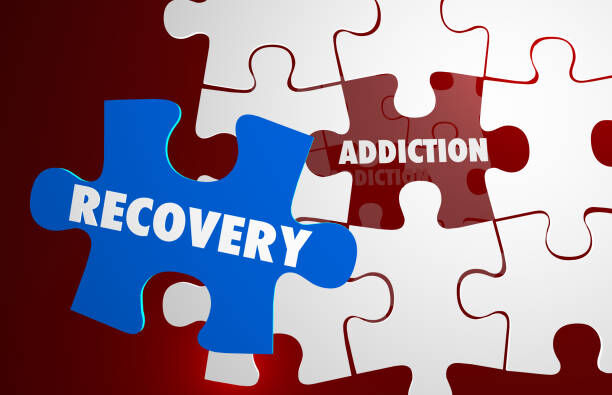
Addiction Recovery Kick Habit Puzzle Words 3d Illustration
Supporting a loved one through substance abuse treatment can be a challenging and emotional journey. It’s natural to feel a mix of emotions, from hope and relief to fear and uncertainty. Your support can make a significant difference in their recovery process. Here are some tips to help you support your loved one effectively during this critical time.
1. Educate Yourself About Addiction and Treatment
Learning about addiction as a condition and its treatment is essential. Understand about substance abuse, its effects on the mind and behavior, and available solutions. This can help you comprehend your loved one's struggle and support them. Make use of the multiple resources and talk to people who have undergone substance abuse treatment in Los Angeles.
2. Encourage Open Communication
Open and honest communication is critical to supporting your loved one. Let them know you are there to listen without judgment. Encourage them to share their thoughts and feelings with you. This can help them feel understood and supported. When they feel comfortable talking to you, it can alleviate some of the stress and isolation they might be experiencing.
3. Be Patient and Understanding
Recovery from substance abuse is a long and often complex process. There will be ups and downs, and progress may be slow. It's essential to be patient and understanding. Avoid being critical or expressing disappointment if they experience setbacks. Instead, offer encouragement and remind them of their progress and the strength they’ve shown so far.
4. Take Care of Yourself
Supporting someone through substance abuse treatment can be draining. It’s essential to take care of your own physical and emotional well-being. Make time for activities you enjoy, and consider joining a support group for families of addicts. Taking care of yourself ensures you have the energy and emotional stability to support your loved one effectively.
5. Set Healthy Boundaries

drug case prisoner with narcotic and syringe
While supporting your loved one is essential, setting healthy boundaries is also essential. Enabling their addiction by excusing their behavior or covering up for them will only hinder their recovery. Set clear boundaries about what you can and cannot do. This might include not allowing drug or alcohol use in your home or not giving them money that could be used to buy substances.
6. Celebrate Their Progress
Recovery is a journey filled with milestones, both big and small. Celebrate these achievements with your loved one. Acknowledging their progress can boost their confidence and motivation to continue with their treatment. Whether it’s a week of sobriety or completing a step in their treatment program, let them know how proud you are of their efforts.
7. Avoid Enabling Behavior
Enabling behavior, such as making excuses for your loved one’s actions or providing financial support that fuels their addiction, can be detrimental to their recovery. It’s essential to distinguish between supporting and enabling. Support involves helping them find and stay in treatment, while enabling involves behaviors that allow them to continue their substance use without facing the consequences.
8. Encourage Healthy Habits
Encourage your loved one to adopt healthy habits that support their recovery. This might include regular exercise, a balanced diet, sufficient sleep, and engaging in hobbies or activities they enjoy. Physical and mental well-being are closely linked, and promoting a healthy lifestyle can aid their overall recovery process.
9. Encourage Participation in Support Groups
Support groups, such as Alcoholics Anonymous (AA) or Narcotics Anonymous (NA), provide a community of individuals who understand the struggles of addiction. Encourage your loved one to attend these meetings regularly. Being part of a support group can offer them a sense of belonging, reduce feelings of isolation, and provide valuable insights from others who have successfully navigated the recovery journey.
10. Stay Informed About Relapse Prevention Strategies
Relapse is a standard part of the recovery process, but it doesn't mean failure. Stay informed about relapse prevention strategies and help your loved one identify triggers and develop coping mechanisms. Encourage them to follow their treatment plan, attend therapy sessions, and engage in healthy activities.
Wrapping Up
Supporting a loved one through substance abuse treatment is a challenging but rewarding endeavor. Your love, patience, and understanding can significantly impact their recovery journey. By educating yourself, encouraging open communication, setting healthy boundaries, and celebrating their progress, you can provide the support they need to overcome addiction. Together, you and your loved one can cover this path to recovery with hope and resilience.
Here are some other articles related to your search:
(0) comments
We welcome your comments
Log In
Post a comment as Guest
Keep it Clean. Please avoid obscene, vulgar, lewd, racist or sexually-oriented language.
PLEASE TURN OFF YOUR CAPS LOCK.
Don't Threaten. Threats of harming another person will not be tolerated.
Be Truthful. Don't knowingly lie about anyone or anything.
Be Nice. No racism, sexism or any sort of -ism that is degrading to another person.
Be Proactive. Use the 'Report' link on each comment to let us know of abusive posts.
Share with Us. We'd love to hear eyewitness accounts, the history behind an article.