

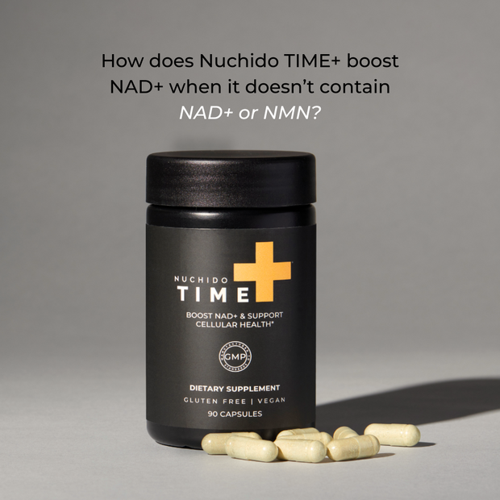

The start of a new year often brings bold promises of transformation. Cleaner eating, better habits, renewed energy. Yet for many, resolutions fade quickly under the weight of unrealistic expectations. According to longevity experts, the most effective wellness changes are not dramatic overhauls, but small, science-backed shifts that support the body at its most fundamental level.
That foundation, says Dr Nichola Conlon, lies within our cells.
“When people focus on health, they usually think about what they can see,” she explains. “But how we feel day to day is driven by what’s happening inside the body at a cellular level. Energy, resilience, and longevity all begin there.”
As a molecular biologist and founder of Nuchido, Dr Conlon has spent years translating complex research on aging into practical habits that can be applied in everyday life. For the year ahead, she highlights a series of approachable wellness principles that prioritize consistency over perfection.
Sleep as the Foundation of Renewal
Sleep is often the first thing sacrificed in busy modern lives, yet it remains one of the most powerful tools for long-term wellbeing. Beyond simple rest, sleep is the period when the body performs essential maintenance, repairing cells and restoring energy systems.
Dr Conlon emphasizes the importance of alignment rather than duration alone. Exposure to natural light in the morning, regular sleep schedules, and a calm sleep environment help regulate the body’s internal clock.
“When sleep is out of sync, cellular energy production suffers,” she notes. “Over time, this can reduce the body’s ability to repair itself efficiently.”
Gentle Structure Around Eating Habits
Rather than focusing on restrictive diets, Dr Conlon encourages creating simple boundaries around when we eat. Time-restricted eating allows the body to shift from constant digestion into natural repair processes that support metabolic balance.
Even modest adjustments, such as finishing meals earlier in the evening or spacing meals more intentionally, can support cellular renewal.
“This isn’t about deprivation,” she says. “It’s about giving the body the space it needs to reset.”
Movement That Supports Energy Not Exhaustion
Exercise remains essential for health, but intensity is not always the answer. Frequent low-level movement throughout the day plays a vital role in supporting mitochondrial health, the energy generators within our cells.
Short walks, stretching, and regular posture changes can stimulate energy production without placing stress on the body.
“Movement tells your cells to stay active and efficient,” Dr Conlon explains. “Consistency matters more than intensity.”
Cooling the Body to Wake the System
Gradual cold exposure has gained attention for its role in metabolic health and mental clarity. While ice baths may not appeal to everyone, Dr Conlon suggests that small, controlled exposure can still be beneficial.
A brief cool shower or a short cold finish at the end of a warm shower can help stimulate circulation and focus.
“The key is moderation,” she says. “Small, regular exposure encourages adaptation without overwhelm.”
Supporting Cellular Energy Pathways

At the center of cellular energy and repair is a molecule known as NAD plus. This compound plays a critical role in DNA repair and energy metabolism, yet levels naturally decline with age.
Lifestyle habits such as quality sleep, movement, and nutrient-rich foods support NAD plus production. Some individuals also explore targeted supplementation as part of a broader wellness routine designed to support cellular resilience.
“Longevity isn’t about shortcuts,” Dr Conlon explains. “It’s about supporting the systems the body already relies on.”
The Overlooked Power of Human Connection
Wellness extends far beyond physical habits. Research consistently links social connection with lower inflammation, improved immune function, and better overall health outcomes.
“Human interaction affects us biologically,” says Dr Conlon. “Strong relationships create a sense of safety that allows the body to function optimally.”
Making time for meaningful conversation, shared meals, and genuine connection can be as important as any physical habit.
Mindfulness in Small Moments
Chronic stress accelerates aging, yet mindfulness does not need to be time-consuming to be effective. Short moments of awareness throughout the day can help regulate stress hormones and support cellular repair.
A few deep breaths before meals, brief pauses between tasks, or moments of reflection can shift the nervous system into a more restorative state.
“These small practices accumulate,” Dr Conlon notes. “They help the body recover instead of constantly reacting.”
Wellness That Evolves with You
True wellness is rarely about a single resolution. It is built gradually through habits that adapt to changing lives and priorities. By focusing on sleep, movement, nourishment, connection, and cellular support, individuals can create a foundation that sustains energy and clarity throughout the year.
“When your cells are supported, you feel the difference,” says Dr Conlon. “Energy becomes steadier, focus improves, and well-being feels natural rather than forced.”
As the year unfolds, the most impactful changes may be the quiet ones, practiced consistently and thoughtfully, long after the initial motivation of January has passed.

(0) comments
We welcome your comments
Log In
Post a comment as Guest
Keep it Clean. Please avoid obscene, vulgar, lewd, racist or sexually-oriented language.
PLEASE TURN OFF YOUR CAPS LOCK.
Don't Threaten. Threats of harming another person will not be tolerated.
Be Truthful. Don't knowingly lie about anyone or anything.
Be Nice. No racism, sexism or any sort of -ism that is degrading to another person.
Be Proactive. Use the 'Report' link on each comment to let us know of abusive posts.
Share with Us. We'd love to hear eyewitness accounts, the history behind an article.