
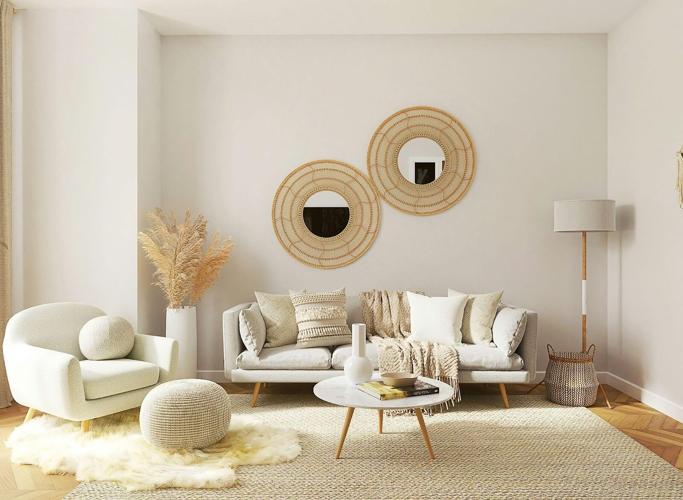
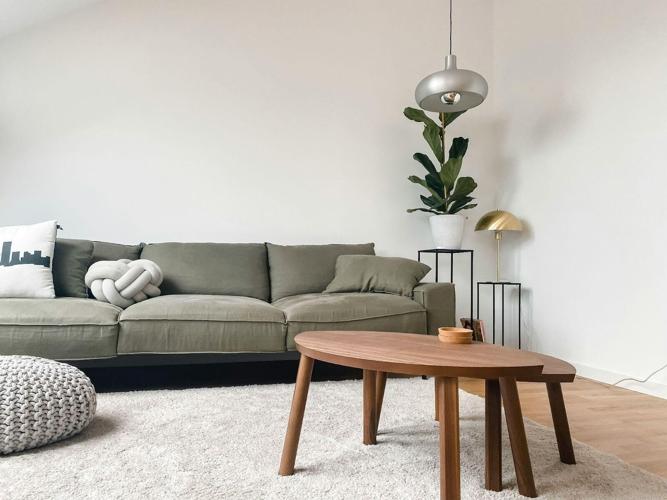

High-end living room seating is no longer judged by appearance alone. Today’s buyers expect furniture to look refined while also supporting real, everyday comfort. This balance is especially important when exploring premium options such as recliners, where design and function are closely intertwined. Understanding how comfort and aesthetics work together helps ensure that seating choices enhance both the visual identity of a space and the quality of daily living within it.
Why comfort remains the foundation
No matter how striking a piece may look, seating ultimately exists to be used. Comfort is not just about softness but about how well furniture supports the body over time. Seat height, depth, back angle, and cushioning density all influence how a chair feels after minutes, hours, or years of use.
In high-end seating, comfort is usually engineered into the structure itself. Well-designed pieces support natural posture, reduce pressure points, and encourage relaxation without feeling overly casual or bulky.
Ergonomics without visual compromise
Ergonomics plays a quiet but essential role in premium living room seating. Features such as lumbar support, reclining mechanisms, and adjustable elements improve comfort, but in high-end designs these features are often hidden within clean lines and elegant forms.
Rather than looking mechanical, quality seating integrates ergonomic benefits seamlessly. This allows furniture to remain visually sophisticated while still offering meaningful physical support.
Aesthetics as part of the room’s architecture
High-end seating often functions as a visual anchor in the living room. Its shape, scale, and materials influence how the entire space feels. Thoughtful design ensures that seating complements architectural features rather than overpowering them.
Proportion is especially important. Furniture that is too large can dominate a room, while pieces that are too delicate may feel out of place. Aesthetic balance helps seating feel intentional and cohesive within the broader interior design.
Material choice and sensory experience
Materials play a dual role in comfort and appearance. Upholstery affects how furniture feels against the skin while also defining its visual character. Leather, fabric, and performance textiles each offer distinct advantages depending on lifestyle and aesthetic goals.
In high-end seating, materials are often chosen for how they age as much as how they look initially. Quality upholstery tends to develop character over time, reinforcing the sense that the piece is a lasting investment rather than a temporary trend.
Construction quality beneath the surface
What lies beneath the upholstery matters just as much as what is visible. Frame materials, joinery techniques, and support systems determine how well seating maintains its shape and comfort. A beautiful exterior cannot compensate for poor internal construction.
Premium seating typically emphasizes durability, ensuring that cushions retain their support and frames remain stable even with regular use. This structural integrity protects both comfort and appearance over the long term.
Visual lightness and physical support

Many contemporary designs aim for visual lightness, using slim profiles and clean silhouettes. Achieving this without sacrificing comfort requires careful engineering. High-end seating often uses advanced materials and thoughtful construction to maintain strength while appearing effortless.
This balance allows furniture to feel inviting without overwhelming the room, supporting both aesthetic clarity and physical ease.
Lifestyle alignment and real-world use
Comfort and aesthetics are best evaluated through the lens of daily life. A formal living room may prioritize sleek lines and subtle comfort, while a more relaxed space may require deeper seating and adaptable features. High-end furniture works best when it aligns with how the space is actually used.
Understanding lifestyle needs helps prevent choosing pieces that look impressive but feel impractical over time.
The importance of fit and personal experience
Comfort is inherently personal. Factors such as height, body type, and sitting habits influence how a piece feels. Whenever possible, testing seating helps ensure it supports the body comfortably rather than forcing adaptation.
Interior design guidance often emphasizes ergonomics and scale as key components of functional comfort. Organizations like the American Society of Interior Designers highlight how proper seating design contributes to healthier, more comfortable living spaces.
Long-term value beyond first impressions
While aesthetics often drive the initial attraction, comfort determines long-term satisfaction. High-end seating that balances both tends to retain its value, both functionally and visually. Pieces that remain comfortable and visually relevant reduce the need for replacement and support a more sustainable approach to furnishing.
Making a balanced decision
Choosing high-end living room seating is not about selecting comfort over aesthetics or vice versa. The most successful pieces integrate both seamlessly. By considering ergonomics, materials, construction quality, and lifestyle fit, buyers can make informed choices that feel as good as they look.
When comfort and aesthetics are aligned, seating becomes more than décor. It becomes a lasting, functional element that enhances everyday living while elevating the overall design of the home.


(0) comments
We welcome your comments
Log In
Post a comment as Guest
Keep it Clean. Please avoid obscene, vulgar, lewd, racist or sexually-oriented language.
PLEASE TURN OFF YOUR CAPS LOCK.
Don't Threaten. Threats of harming another person will not be tolerated.
Be Truthful. Don't knowingly lie about anyone or anything.
Be Nice. No racism, sexism or any sort of -ism that is degrading to another person.
Be Proactive. Use the 'Report' link on each comment to let us know of abusive posts.
Share with Us. We'd love to hear eyewitness accounts, the history behind an article.