
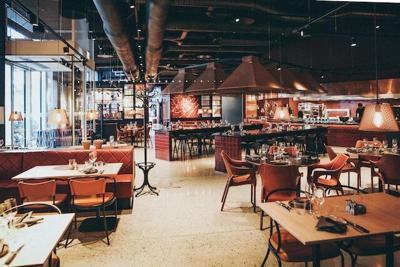

A lot of essential elements go into designing a restaurant - from the layout to the flooring, wall colors, and furniture. However, s
Designing a restaurant is about far more than choosing a paint color or hanging the right light fixtures. I’ve learned—through experience—that restaurant furniture design is one of the most important (and most underestimated) decisions a restaurant owner will make. Furniture affects how long guests stay, how comfortable they feel, how the space flows, and ultimately how the restaurant is perceived.
Whether you’re opening a brand-new restaurant or refreshing an existing space, the furniture you choose quietly sets the tone for everything that follows. From comfort and durability to layout and culture, here’s how I approach selecting restaurant furniture that works as beautifully as it looks.
Types of Restaurant Furniture and Design Styles
When I start thinking about restaurant furniture, I always begin with function before style. Chairs, tables, booths, and bar seating each serve a different purpose, and choosing the wrong option—even if it looks great—can negatively impact the dining experience.
Restaurant chairs and tables come in an endless range of styles, from classic and elegant to modern and playful. Upholstered chairs can feel luxurious and inviting, while wood or metal seating tends to work better in high-traffic environments. Tables may be round or rectangular and made from wood, glass, or metal, but durability and ease of cleaning always matter more than trends.
I’m also a big fan of restaurant booths when the layout allows. Booth seating creates a sense of privacy and comfort that many diners love, especially for longer meals. Bar stools, on the other hand, should always strike the right balance between comfort and height—nothing sends guests home early faster than an uncomfortable bar seat.
The key is choosing restaurant furniture that fits the way people actually use the space, not just how it looks in photos.
How Restaurant Furniture Shapes Culture and Atmosphere
One thing I’ve seen time and again is how strongly furniture choices influence a restaurant’s culture. Before guests read a menu or take a sip of water, they’ve already absorbed the mood of the room—and furniture plays a huge role in that first impression.
When I want a space to feel casual and welcoming, I lean toward lighter woods, softer fabrics, and flexible seating arrangements. For more formal dining rooms, darker finishes, structured layouts, and traditional table spacing help reinforce an elevated experience.
Layout matters just as much as materials. If the goal is conversation and connection, I prefer smaller table groupings and seating that encourages guests to linger. For more formal or high-turnover restaurants, larger tables and defined seating zones make more sense. Thoughtful restaurant furniture selection helps create a space that feels intentional, comfortable, and aligned with the brand.
How I Clean and Maintain Restaurant Furniture
Restaurant furniture takes a beating—it’s inevitable. Spills, grease, constant use, and daily cleaning all add up quickly. In my experience, proper maintenance makes a huge difference in how long furniture lasts and how good it continues to look.
I always recommend starting with the gentlest cleaning methods before turning to harsher products. Mild dish soap works well for greasy residue, while vinegar can help cut through built-up grime. Baking soda is another go-to for loosening stuck-on dirt.
Before using any cleaner, I test it in an inconspicuous area to avoid damaging finishes or fabrics. Regular maintenance not only keeps furniture looking fresh, but it also protects your investment and reduces long-term replacement costs.
Understanding the Real Cost of Restaurant Furniture
Furnishing a restaurant is rarely cheap, and I think it’s important to be realistic about the costs upfront. Beyond tables and chairs, you also need to factor in shipping, assembly, and the wear and tear that comes with constant use.
Basic furniture sets may cost a few hundred dollars, but higher-quality commercial restaurant furniture—especially upholstered chairs or custom booths—can easily reach into the thousands. While it’s tempting to cut corners, I’ve found that investing in well-made furniture often saves money in the long run. Cheap furniture tends to show its age quickly, leading to repairs, replacements, and frustrated guests.
When budgeting for restaurant furniture, I always encourage owners to think long-term rather than focusing solely on upfront costs.
Should Feng Shui Play a Role in Restaurant Furniture Design?
While feng shui isn’t essential to restaurant design, I’ve seen how thoughtful furniture placement can positively influence how a space feels. At its core, feng shui focuses on balance, flow, and energy—concepts that translate well to restaurant interiors when applied practically.
Simple choices, such as avoiding overcrowded layouts, balancing shapes, and incorporating natural elements like plants, can make a restaurant feel calmer and more inviting. I don’t believe you need to strictly follow feng shui philosophy, but being mindful of flow and comfort can enhance the dining experience in subtle but meaningful ways.
Final Thoughts on Restaurant Furniture Design
At the end of the day, restaurant furniture design is about balance—comfort, durability, style, and functionality all working together. I’ve seen firsthand how the right furniture choices can encourage guests to stay longer, feel more comfortable, and leave with a positive impression of the space.
Furniture isn’t just a design detail; it’s part of the restaurant’s identity. When chosen thoughtfully, it supports the brand, enhances the guest experience, and stands the test of time. If there’s one thing I’ve learned, it’s that good restaurant furniture doesn’t just fill a room—it helps tell the story of the space.

(0) comments
We welcome your comments
Log In
Post a comment as Guest
Keep it Clean. Please avoid obscene, vulgar, lewd, racist or sexually-oriented language.
PLEASE TURN OFF YOUR CAPS LOCK.
Don't Threaten. Threats of harming another person will not be tolerated.
Be Truthful. Don't knowingly lie about anyone or anything.
Be Nice. No racism, sexism or any sort of -ism that is degrading to another person.
Be Proactive. Use the 'Report' link on each comment to let us know of abusive posts.
Share with Us. We'd love to hear eyewitness accounts, the history behind an article.