

Florida Homeowners Face Rising Insurance Premiums

Home insurance premiums in Florida climbed sharply during the third quarter of 2024, renewing concerns about the affordability and accessibility of coverage in one of the most disaster-prone states in the country. The average premium for a single-family home policy rose by 3.1% compared to the previous quarter, reaching $3,668. This increase follows a period of relative stability earlier in the year, leaving homeowners, policymakers, and industry leaders grappling with the broader implications.
Natural Disasters Drive Costs Higher
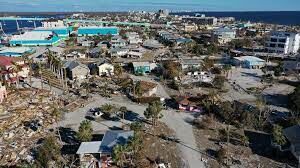
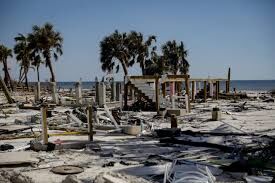
Florida’s vulnerability to hurricanes and tropical storms remains a key factor behind rising insurance costs. In 2023, Hurricanes Milton and Helene caused extensive damage along the Gulf Coast, with repairs and claims creating a ripple effect that continues to impact the state’s insurance market. Experts highlight that the frequency and intensity of such events are increasing, further straining resources and driving premiums upward.
Inflation and Construction Costs Add Pressure
The cost of rebuilding homes has skyrocketed, fueled by inflation and rising prices for construction materials. Labor shortages have compounded the issue, leaving insurers with no choice but to adjust premiums. According to recent data, the average insured value of homes increased by 2.3% in the third quarter of 2024, reflecting the higher costs of repairs and replacements.
Insurers Leave the Market Amid Financial Struggles
Years of financial instability have led several insurance companies to exit Florida, reducing competition and further inflating prices. Smaller insurers have faced insolvency, while larger firms are focusing on limiting coverage and raising rates. Securing reinsurance—insurance for insurance companies—has also become more expensive, adding another layer of cost.
Uneven Impact Across the State
The surge in premiums varies by region. South Florida, known for its exposure to hurricanes, continues to bear the brunt of the increases. Meanwhile, rural areas and parts of the Panhandle see relatively lower premiums. Jacksonville-based Olympus Insurance, for example, reported a 23.2% rise in average premiums, with much of the increase linked to higher insured values.
Florida City | Average Annual Premium for $300K Dwelling Coverage |
West Palm Beach | $8,084 |
Fort Lauderdale | $7,935 |
Hollywood | $8,288 |
Pompano Beach | $7,683 |
Miramar Beach | $4,710 |
Source: https://www.bankrate.com/insurance/homeowners-insurance/states/#home-insurance-rates-by-state
Homeowners Struggle to Cope
For many Floridians, rising insurance premiums represent a growing financial burden. Some have resorted to reducing their coverage, leaving them vulnerable in the event of disasters. Others have chosen to forgo insurance entirely, a risky gamble that could lead to severe economic consequences. Higher premiums are also dampening the real estate market, as prospective buyers weigh the long-term costs of property ownership.
Insurers Respond With Policy Changes
Insurance companies are revising their offerings to manage risks. Many are narrowing coverage options, excluding specific risks such as wind-driven rain, or increasing deductibles. Companies like Olympus Insurance have introduced premium services, covering items such as solar panels and older properties, to attract specific customer segments.
Legislative Efforts to Address the Crisis
Florida lawmakers have passed reforms to stabilize the insurance market, including measures to reduce litigation costs and increase transparency in premium reporting. However, officials acknowledge that more needs to be done. Proposals under consideration include expanding the state’s Hurricane Catastrophe Fund and creating incentives for private insurers to return to the market.
Federal Assistance May Be Needed
Calls for federal support are growing, with policymakers urging increased funding for disaster recovery and preventive measures. Improved collaboration between state and federal governments could play a pivotal role in addressing long-term challenges.
Homeowners Seek Solutions
Amid rising costs, homeowners are exploring strategies to manage expenses. Bundling insurance policies, increasing deductibles, and comparing rates are common approaches. State-run programs, such as Citizens Property Insurance, offer an alternative for those unable to secure private coverage, although these policies often come with limitations.
Experts at Seanote Florida recommend investing in home improvements, such as reinforced roofing and upgraded windows, to reduce risks and potentially lower premiums. Such measures not only enhance safety but also provide long-term financial benefits.
What Lies Ahead
Looking ahead to 2025 and beyond, insurance costs are expected to remain a concern as inflation and climate risks persist. Legislative reforms and technological advancements in risk assessment could provide some relief, but sustained effort will be required to ensure a balanced and accessible insurance market.
The challenges facing Florida’s homeowners and insurers are complex, but the ongoing conversation among stakeholders offers hope for meaningful progress in stabilizing the market.
(0) comments
We welcome your comments
Log In
Post a comment as Guest
Keep it Clean. Please avoid obscene, vulgar, lewd, racist or sexually-oriented language.
PLEASE TURN OFF YOUR CAPS LOCK.
Don't Threaten. Threats of harming another person will not be tolerated.
Be Truthful. Don't knowingly lie about anyone or anything.
Be Nice. No racism, sexism or any sort of -ism that is degrading to another person.
Be Proactive. Use the 'Report' link on each comment to let us know of abusive posts.
Share with Us. We'd love to hear eyewitness accounts, the history behind an article.