
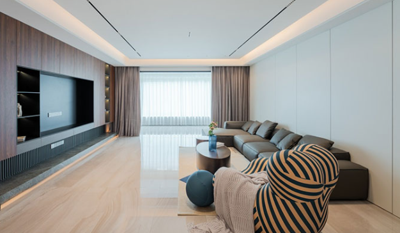

Wall panelling has become a popular way to enhance interiors, adding texture, depth, and character to any space. Whether you’re aiming for a modern aesthetic or a more traditional look, choosing the right panelling for each room requires thoughtful planning. From materials and styles to functionality and installation, the right choices can transform your home while complementing your lifestyle.
Understanding Different Types of Wall Panelling
Before selecting panelling for your home, it’s important to understand the different types available. Common options include MDF panels, natural wood, PVC panels, and decorative moulding styles such as shaker or tongue-and-groove.
Each material offers unique benefits. MDF is cost-effective and versatile; wood provides a premium, natural finish, while PVC is moisture-resistant and easy to maintain. If you’re looking for a quick, hassle-free solution, an easy to fit wall panelling kit can simplify installation, especially for DIY projects.
Choosing Panelling for Living Rooms and Bedrooms
Living rooms and bedrooms are spaces where style and comfort take priority. In these areas, wall panelling can act as a focal point or enhance the overall design.
For living rooms, consider statement walls with geometric or shaker-style panelling to add visual interest. In bedrooms, softer, subtler designs—such as half-wall panelling behind the bed—can create a cozy, relaxing atmosphere.
Color choice also plays a key role. Neutral tones offer timeless appeal, while bold shades can make a striking impact when used thoughtfully.
Selecting the Right Panelling for Kitchens and Bathrooms
Kitchens and bathrooms require more practical considerations due to moisture and humidity. In these areas, durability and water resistance are essential.
PVC or specially treated MDF panels are ideal choices, as they can withstand damp conditions without warping. Easy-to-clean surfaces are also important to maintain hygiene and appearance over time.
Using moisture-resistant materials ensures that your panelling not only looks good but also performs well in high-use environments.
Balancing Style with Functionality
While aesthetics are important, functionality should never be overlooked. Consider how the panelling will be used in each room.
For example, hallways and high-traffic areas benefit from durable materials that can handle wear and tear. Acoustic panels may be useful in home offices or media rooms to improve sound quality and reduce noise.
Lighting is another factor to consider. Wall panelling can enhance the effect of natural and artificial lighting, adding depth and dimension to your interiors.
Installation and Maintenance Considerations
Ease of installation and long-term maintenance are key factors when choosing wall panelling. Some designs require professional installation, while others are more DIY-friendly.
Opting for solutions that are simple to install can save both time and money. Regular cleaning and occasional touch-ups will help maintain the appearance of your panels and extend their lifespan.
Choosing the right wall panelling for every room involves balancing style, practicality, and personal preference. By understanding the materials, considering the specific needs of each space, and carefully planning your design, you can create a cohesive and visually appealing home. With the right approach, wall panelling becomes more than just a decorative feature—it becomes a functional and lasting enhancement to your living space.

(0) comments
We welcome your comments
Log In
Post a comment as Guest
Keep it Clean. Please avoid obscene, vulgar, lewd, racist or sexually-oriented language.
PLEASE TURN OFF YOUR CAPS LOCK.
Don't Threaten. Threats of harming another person will not be tolerated.
Be Truthful. Don't knowingly lie about anyone or anything.
Be Nice. No racism, sexism or any sort of -ism that is degrading to another person.
Be Proactive. Use the 'Report' link on each comment to let us know of abusive posts.
Share with Us. We'd love to hear eyewitness accounts, the history behind an article.