
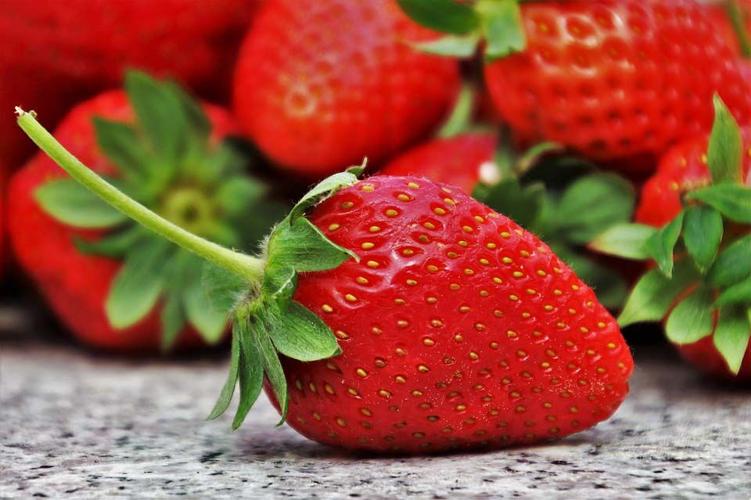

Organic food is no longer a niche habit reserved for yoga retreats, pricey grocery aisles, and the one friend who insists her strawberries have better energy. In 2026, it has become part of a much larger conversation about how food is grown, how animals are treated, and how consumers can make smarter choices for their health and homes.
Today’s shoppers are reading labels more carefully, asking where products come from, and paying closer attention to farming practices. Organic food continues to stand out because it points to stricter production standards, fewer synthetic inputs, and a more thoughtful approach to agriculture. It is not magic lettuce with a trust fund, but it is a meaningful option for people who want their food choices to reflect a more intentional lifestyle.
Organic Standards Still Carry Weight
One reason organic food still matters is that the label is backed by actual standards instead of vague wellness marketing. In the United States, certified organic foods must comply with USDA regulations that restrict the use of many synthetic pesticides, prohibit genetic engineering in organic production, and establish rules for soil health, livestock care, and food processing. That framework gives shoppers something increasingly rare in modern food marketing: clarity. For more on current standards, visit the USDA Agricultural Marketing Service.
That does not mean every conventional food is bad or that every organic tomato was hand-delivered by angels. It simply means the organic label still signals a regulated production system, and for many consumers that matters.
Why Many People Choose Organic Produce
One of the biggest reasons shoppers reach for organic fruits and vegetables is to reduce exposure to synthetic pesticide residues. Organic produce often appeals to families who want to make a few cleaner choices in areas where they shop most often. This does not mean conventional produce should be avoided entirely. Eating fruits and vegetables in general is still one of the smartest things you can do for your health. Organic is less about panic and more about preference.
If you are trying to upgrade your grocery cart without turning dinner into a chemistry debate, organic produce can be a practical place to start. It is a small change that often helps people feel more informed and more in control of what they bring home. For readers looking to build better habits overall, our piece on healthy lifestyle tips you'll actually want to try makes a smart companion read.
Organic Farming and the Bigger Environmental Picture
Food is not just about what lands on the plate. It is also about soil, water, pollinators, and the long road from farm to kitchen. Organic farming continues to appeal to consumers who care about the environmental side of agriculture. Many organic farming practices are designed to support soil health, reduce certain synthetic inputs, and encourage better biodiversity on the land.
Like anything involving farming, the story is nuanced. Organic is not the only model that can support sustainability, and no food system is perfect. Still, for consumers trying to make more thoughtful choices, organic remains one of the clearest labels tied to environmentally minded farming practices. For broader consumer guidance, the FDA’s food information center is also worth bookmarking. And if sustainability is part of your lifestyle conversation, you may also enjoy our article on embracing urban gardening for sustainable living.
Animal Welfare Still Matters to Shoppers
For many people, organic shopping is not just about produce. Dairy, eggs, and meat are often part of the equation too. Organic livestock production follows stricter standards around feed and animal care than conventional systems, which is one reason many consumers feel better about spending more on organic animal products.
If someone wants their morning eggs, milk, or weekend roast to come from a system with tighter oversight, organic can be an appealing choice. It is not just about what ends up on the plate. It is about how that food was produced before it arrived there.
Is Organic Food More Nutritious
This is where older articles tended to get a little dramatic. The claim that organic food is always dramatically more nutritious than conventional food is too broad. Some studies have shown differences in certain nutrients or plant compounds, but the science is mixed and depends on the food, the farm, the season, and the growing conditions.
What is fair to say is that people who buy organic often end up eating more whole foods and cooking more intentionally at home. And honestly, that lifestyle shift may matter just as much as any nutrient chart. Sometimes the healthiest move is not chasing a miracle superfood. It is simply buying real ingredients and making dinner before hunger turns you into a drive-thru philosopher.

Organic and GMO Preferences
Certified organic foods cannot be produced using genetic engineering, which remains one of the reasons some shoppers prefer them. At the same time, this topic deserves a grown-up explanation. Many consumers choose organic because they prefer the production model, not necessarily because they believe every genetically engineered ingredient is dangerous.
Organic gives shoppers a way to avoid certain methods if that is important to them. It is less about food fear and more about food preference, which is a much saner way to shop.
The Appeal of More Intentional Living
Perhaps the strongest argument for organic food is that it often leads to more intentional living overall. Once people begin paying attention to organic labels, they usually start paying attention to other things too: ingredient lists, seasonality, sourcing, food waste, and packaging. One thoughtful choice tends to invite another.
That shift has its own kind of luxury. Not the loud kind. The smarter kind. The kind that says you know what you are buying, why you are buying it, and how it fits into the life you are building. Organic food fits beautifully into that mindset. Readers exploring broader wellness habits may also like a smarter way to begin the year with wellness that lasts.
What Organic Food Is Not
Organic food deserves praise, but not a fantasy storyline. It can be more expensive. It is not always local. Organic cookies are still cookies, and organic sugar is still sugar. A snack does not become saintly just because the packaging is beige and uses the word wholesome six times.
It is also worth remembering that some small farms use wonderful growing practices without going through formal certification, often because the process is costly or complex. Asking questions at local markets and specialty shops can be just as valuable as reading a label.
Why Organic Food Still Matters in 2026
In 2026, organic food is best viewed as a meaningful option within a smarter, more informed lifestyle. It can help consumers reduce exposure to certain synthetic pesticide residues, support farming systems with stricter standards, and align food choices with values like transparency, animal welfare, and environmental care.
That is a much better argument than pretending organic food is some kind of edible miracle. It is not about perfection. It is about choosing better where you can, staying informed, and filling your kitchen with food that reflects how you actually want to live. These days, luxury is not just what looks gorgeous on the plate. It is knowing exactly what you are eating and why.
(0) comments
We welcome your comments
Log In
Post a comment as Guest
Keep it Clean. Please avoid obscene, vulgar, lewd, racist or sexually-oriented language.
PLEASE TURN OFF YOUR CAPS LOCK.
Don't Threaten. Threats of harming another person will not be tolerated.
Be Truthful. Don't knowingly lie about anyone or anything.
Be Nice. No racism, sexism or any sort of -ism that is degrading to another person.
Be Proactive. Use the 'Report' link on each comment to let us know of abusive posts.
Share with Us. We'd love to hear eyewitness accounts, the history behind an article.