
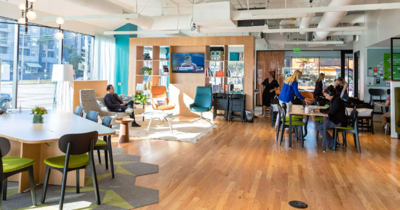

The modern workplace has evolved far beyond the traditional office cubicle and private desk. Organizations increasingly recognize that the physical environment plays a pivotal role in shaping employee behavior, engagement, and overall culture. From open floor plans to communal lounges, the design and arrangement of shared spaces directly impact how teams interact, collaborate, and innovate. Understanding these dynamics can help businesses create environments that encourage both productivity and a sense of community.
Shared spaces in the workplace are no longer seen as mere functional areas—they are strategic tools that influence how employees communicate and connect. While digital communication tools have facilitated remote and hybrid work, physical spaces remain essential for spontaneous interactions, team bonding, and creative problem-solving. Companies that thoughtfully design communal areas often report higher levels of collaboration, employee satisfaction, and a more cohesive organizational culture.
The Role of Physical Layout in Encouraging Interaction
The configuration of shared spaces significantly affects employee interaction patterns. Open areas, such as lounges and break rooms, allow employees from different departments to cross paths naturally, fostering organic conversations that might not occur in a rigid, compartmentalized office layout. These chance encounters often lead to the exchange of ideas, knowledge sharing, and even innovative solutions to workplace challenges. Research from workplace design experts indicates that employees who have access to well-designed communal areas are more likely to engage in collaborative discussions, enhancing overall team performance.
Furniture arrangement within shared spaces can also influence the dynamics of interaction. Circular seating or modular configurations encourage face-to-face engagement, making discussions more inclusive. Conversely, layouts that prioritize individual seating may inadvertently create communication barriers, limiting opportunities for collaboration. Thoughtful design decisions, such as incorporating flexible workstations or movable furniture, enable teams to adapt spaces to their specific collaborative needs, further enhancing productivity and engagement.
Promoting Workplace Culture Through Shared Spaces
Shared spaces not only facilitate collaboration but also reinforce workplace culture. A well-designed common area communicates organizational values, encouraging behaviors aligned with the company’s mission. For example, casual seating areas or community tables can signal an open, inclusive culture, where employees feel comfortable sharing ideas and perspectives. On the other hand, underutilized or poorly maintained communal areas may convey a lack of emphasis on team cohesion, which can negatively impact morale.
Incorporating elements that reflect the company’s identity—such as artwork, brand colors, or cultural motifs—within shared spaces can create a sense of belonging. Employees often perceive these spaces as extensions of the company culture, where informal interactions and socialization contribute to a stronger sense of community. This alignment between physical space and organizational values helps employees internalize the desired workplace culture, fostering loyalty, engagement, and long-term commitment.
Cafeteria Tables and the Power of Informal Collaboration
One particularly effective example of a shared space that encourages interaction is the cafeteria. Beyond serving as a location for meals, cafeterias act as informal hubs where employees can connect across teams and hierarchies. Strategically arranged cafeteria tables can significantly enhance these interactions. By placing tables in clusters or opting for communal long tables, organizations create an environment where employees naturally engage in conversation, exchange ideas, and build relationships outside of formal meetings.
These informal interactions are more than just social—they have measurable impacts on collaboration and knowledge sharing. Experts in organizational behavior note that employees who regularly interact in communal areas develop stronger professional networks, which can lead to increased innovation and faster problem-solving. Cafeteria tables, in this context, are not just furniture; they are catalysts for creating a collaborative culture where ideas flow freely, and employees feel connected to one another.
Balancing Privacy and Collaboration
While shared spaces are vital for fostering collaboration, it is equally important to balance communal areas with private or semi-private spaces. Employees require quiet zones for focused work, reflection, and tasks that demand concentration. Without this balance, open and shared environments can become overstimulating, potentially reducing productivity. Workplace design experts recommend a mix of collaborative and private spaces, ensuring that employees have the flexibility to choose the environment that best suits their current task or mood.
Technology can complement physical space by providing tools for hybrid collaboration, but the tactile experience of face-to-face interactions remains irreplaceable. Providing a variety of shared spaces, from casual lounges to structured meeting zones, allows organizations to accommodate different work styles while maintaining a cohesive and collaborative culture. This balance is particularly critical in industries where creativity and problem-solving are central to business success.
Measuring the Impact of Shared Spaces
Organizations that invest in thoughtfully designed shared spaces often see tangible improvements in both collaboration and workplace culture. Surveys and internal studies commonly reveal increased employee satisfaction, stronger team cohesion, and a higher frequency of interdepartmental interactions. These spaces also contribute to reducing feelings of isolation, particularly in large or geographically dispersed organizations, by providing consistent points of contact and community.
The impact of shared spaces extends beyond individual satisfaction. Teams that collaborate effectively tend to produce higher-quality work, respond more rapidly to challenges, and innovate at a greater rate. This correlation underscores the importance of integrating physical space considerations into broader organizational strategy. In essence, shared spaces are not an afterthought—they are strategic investments in both culture and performance.
Designing for Long-Term Engagement
Creating shared spaces that effectively enhance collaboration and culture requires thoughtful, evidence-based design. Organizations should consider employee needs, organizational values, and the nature of work when planning communal areas. Engaging employees in the design process can also provide valuable insights, ensuring that spaces are both functional and welcoming. Features such as adjustable seating, natural lighting, and easily accessible resources enhance usability, making employees more likely to utilize the spaces regularly.
Regularly evaluating and adapting shared spaces is equally important. As teams grow and work patterns evolve, the design of communal areas should be reassessed to continue fostering interaction and alignment with organizational culture. By prioritizing adaptability and employee feedback, organizations can maintain vibrant, collaborative environments that support both individual performance and collective success over the long term.
Shared spaces play a critical role in shaping collaboration and workplace culture. From open lounges to strategically placed cafeteria tables, these areas encourage interaction, knowledge sharing, and social connection, all of which strengthen organizational cohesion. Thoughtful design and careful attention to how employees engage with these spaces can yield measurable benefits in productivity, innovation, and satisfaction.
Shared spaces are more than just physical areas—they are integral to creating an environment where collaboration thrives, and culture is reinforced. Organizations that recognize and invest in the potential of these communal spaces position themselves for long-term success, fostering workplaces where employees feel connected, inspired, and empowered to contribute their best work.

(0) comments
We welcome your comments
Log In
Post a comment as Guest
Keep it Clean. Please avoid obscene, vulgar, lewd, racist or sexually-oriented language.
PLEASE TURN OFF YOUR CAPS LOCK.
Don't Threaten. Threats of harming another person will not be tolerated.
Be Truthful. Don't knowingly lie about anyone or anything.
Be Nice. No racism, sexism or any sort of -ism that is degrading to another person.
Be Proactive. Use the 'Report' link on each comment to let us know of abusive posts.
Share with Us. We'd love to hear eyewitness accounts, the history behind an article.