
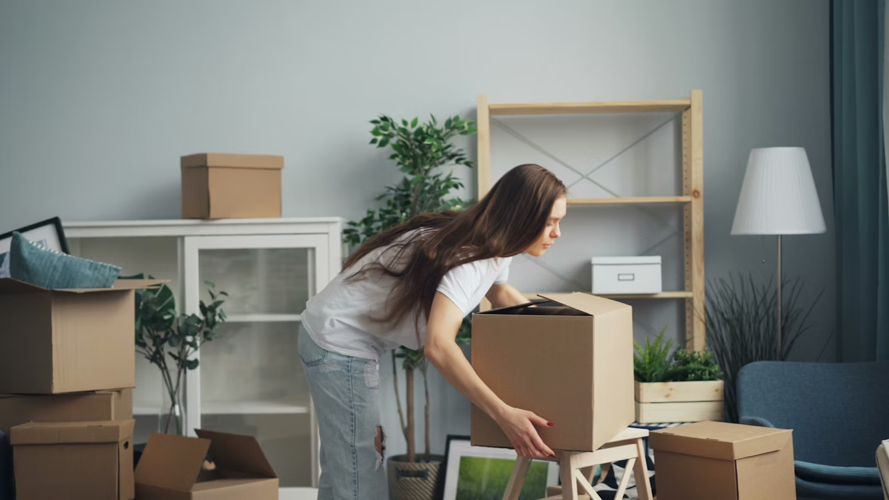
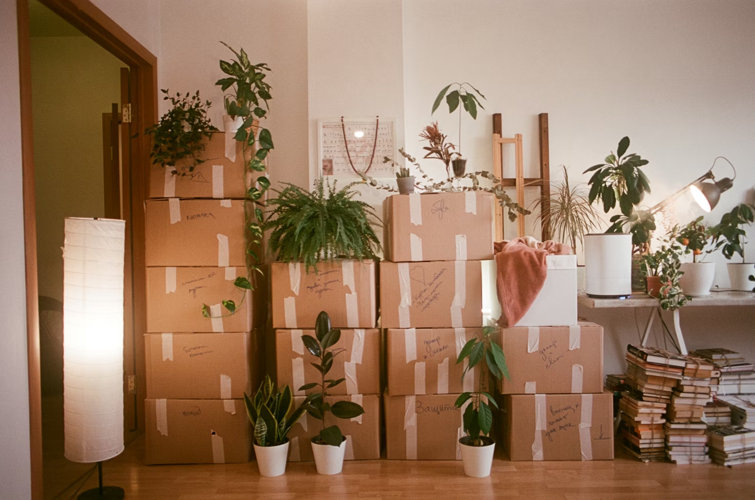
Moving can be equal parts exciting and stressful. If you’ve ever had to move to a new home, then you’ll know exactly how it feels. Boxes everywhere. Lists that keep getting longer. Things you didn’t think about suddenly becoming urgent.
And so, it starts to feel like a lot to manage. Not just physically, but mentally too. Things can get messy after a while. But with a bit of structure and some practical choices, it can feel a lot more manageable than it first seems.

Why things tend to get overwhelming when you move
Most people start a move feeling very optimistic. Perhaps they even think it’s easily manageable by themselves. All you have to do is organise a few things. Confirm a few dates. Nothing too bad, simple stuff.
But then those responsibilities and tasks build up over time. You have more things to worry about. More decisions to make. And then suddenly, it hits you like a truck. Everything is happening at once and you barely have time to yourself. That’s usually how moving to a new city goes. There’s just so much to think about and unless you’ve moved a couple of times before, you’ll quickly get overwhelmed.
Small tasks can stack up really quickly, and before you know it, you’re drowning in all kinds of responsibilities. Luckily, there are plenty of practical ways to keep these tasks under control.
Getting organized before things pile up too much
One of the easiest ways to reduce stress is to start early, even if you’re just taking a couple of small steps at first. The secret is that preparing for a move isn’t so much about trying to take on lots of different tasks at once. Instead, you should think about how you can spread out those responsibilities and tasks. Chip away at it piece by piece, instead of biting off more than you can chew.
Start by sorting items. Making lists. Tackling one task at a time instead of everything in one go. These things will generally help you avoid being overwhelmed. Because while it might feel like you’ve got plenty of time at the beginning, those early steps make a big difference later. When things get busy, you’ll be glad you didn’t leave everything until the last minute.
Knowing when to get help instead of doing it all yourself
There’s often that instinct to handle everything on your own. You save money. You tend to stay in control of the move. It can make you feel better about the move. But taking on so much by yourself just adds to all the pressure that you’re already dealing with. All of the lifting heavy items. Transporting things. Organising. It all takes time and energy, and you don’t have an infinite amount of it.
That’s where using moving services can help you out. You don’t have to outsource everything of course, but having support from professionals for the more demanding parts of your move can make the whole thing far less overwhelming. It gives you space to focus on everything else that needs your attention.

Making the packing process feel less chaotic
Packing is one of those tasks that seems straightforward until you actually start doing it yourself. And it doesn’t take long before it gets complicated. Where does everything go? What do you pack first? What do you leave until last?
Packing for a move becomes easier when you break it down and start getting organised. Room by room. Category by category. Instead of trying to do everything at once, you create a system that makes sense. Have you ever noticed how much easier something feels once it’s organised into smaller steps? That’s the key here. Keep it simple and manageable.
Adjusting to change once you’re finally settled
Even after everything is unpacked, there’s still an adjustment period that can take a bit of time. New surroundings. New routines to get used to. Things that used to feel familiar now feel slightly different. And that can take some getting used to, especially if you’re not someone that is used to change.
Sometimes the move itself happens because you need a larger space, which solves one problem but introduces new ones. There’s more house to maintain. More things to organise. It’s a trade-off for sure, and it takes a little time to fully settle into it. That’s why it’s important to give yourself time to settle in. Don’t assume that it’s going to be quick. It might take some people a few days, others weeks, some months.
Handling the emotional side that people don’t always talk about
We often don’t speak about the emotional side of moving, but it’s there, and it really should be talked about more. Most people see moving as a series of logistical challenges. Things you have to organise, pack, and then move. Sure, that’s a large part of it, but what about all the things you have to say goodbye to? The memories you leave behind. The people you might not see again. The familiar faces that won’t be around anymore.
No matter how strong you think you are, it's worth acknowledging that relocation depression is a real thing. It doesn’t happen to everyone. It affects people differently. But when you do feel it, it can make the whole experience feel a bit heavier than expected. Recognising it early and dealing with it properly will give you some space to adjust. You don’t have to power through it, there are ways to cope with it.
Creating a space that starts to feel like home again
At some point, things begin to settle. The boxes are gone. The space starts to feel more familiar. And that’s when you can start shaping it into something that feels like yours. Arranging things the way you like. Adding small touches that make it comfortable.
It doesn’t have to happen all at once. In fact, it’s often better when it doesn’t. Let the space evolve naturally. Over time, it starts to feel less like somewhere new and more like somewhere you belong.
(0) comments
We welcome your comments
Log In
Post a comment as Guest
Keep it Clean. Please avoid obscene, vulgar, lewd, racist or sexually-oriented language.
PLEASE TURN OFF YOUR CAPS LOCK.
Don't Threaten. Threats of harming another person will not be tolerated.
Be Truthful. Don't knowingly lie about anyone or anything.
Be Nice. No racism, sexism or any sort of -ism that is degrading to another person.
Be Proactive. Use the 'Report' link on each comment to let us know of abusive posts.
Share with Us. We'd love to hear eyewitness accounts, the history behind an article.