
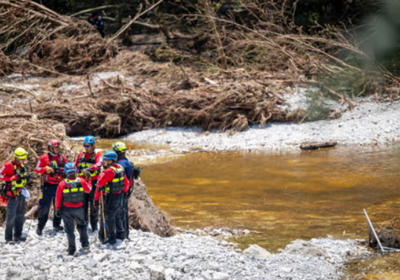

Texas is no stranger to extreme weather. From hurricanes and flash floods to severe thunderstorms, tornadoes, droughts, and winter freezes, communities across the state face a wide range of environmental challenges throughout the year. These events can disrupt daily life, damage shared infrastructure, and create safety concerns for residents.
While no community can prevent severe weather, thoughtful planning and proactive management can significantly reduce its impact. Homeowners' associations, community leaders, and residents all play an important role in improving preparedness and building neighborhoods that are better equipped to respond when extreme conditions arise.
Developing a Comprehensive Emergency Plan
Preparation begins long before severe weather is forecast. Every community should have a well-documented emergency response plan that outlines responsibilities, communication procedures, evacuation guidance when necessary, and recovery priorities.
Plans should be reviewed regularly and updated to reflect changes in community infrastructure, resident needs, and local emergency recommendations. Clear procedures help reduce confusion and allow residents to respond more confidently during emergencies.
Maintaining Shared Infrastructure
Community infrastructure is often the first line of defense against extreme weather. Roads, drainage systems, retention ponds, sidewalks, roofs on shared buildings, fencing, and landscaping all require routine inspections and maintenance to remain effective.
Preventative maintenance helps identify potential issues before severe weather exposes weaknesses. Clearing storm drains, trimming trees, inspecting irrigation systems, and maintaining common facilities can all reduce the likelihood of damage during heavy rainfall or high winds. Communities that prioritize regular maintenance are often able to recover more quickly after storms because essential infrastructure remains in better condition.
Supporting Communities Through Professional Management
Effective planning often requires coordination between board members, residents, contractors, and local authorities. Professional HOA management in Texas can help communities organize maintenance schedules, coordinate emergency communications, manage vendor relationships, and assist boards with long-term planning for weather preparedness. By providing administrative support and operational expertise, experienced management teams help communities respond more efficiently before, during, and after severe weather events.
Improving Resident Communication
Communication becomes especially important when severe weather is approaching. Residents should know where to find official updates, emergency contact information, and community announcements.
Many associations now use community portals, mobile applications, email alerts, and text messaging systems to distribute important information quickly. Providing updates before, during, and after weather events helps residents stay informed and reduces uncertainty. Sharing guidance on emergency preparedness, evacuation routes, utility contacts, and local emergency services throughout the year can also improve overall readiness.
Planning for Power Outages
Power interruptions are common during major storms and winter weather events. Communities can prepare by identifying critical facilities, ensuring emergency lighting is operational, and encouraging residents to maintain basic emergency supplies.
Backup power systems for essential shared facilities, where appropriate, may help support important operations during extended outages. Boards should also establish communication plans that remain effective if internet or cellular service becomes limited.
Coordinating Recovery Efforts
Preparation does not end when the storm passes. Having a structured recovery process allows communities to restore normal operations more efficiently. Post-storm inspections should prioritize safety while documenting any damage to common areas and shared facilities. Coordinating with contractors, insurance representatives, and local authorities helps ensure repairs begin promptly.
Encouraging Resident Preparedness
Community resilience depends on individual preparedness as well. Residents should be encouraged to assemble emergency supply kits, understand evacuation procedures, secure outdoor furniture before storms, and stay informed through trusted weather and emergency management sources. Educational newsletters, seasonal reminders, and community meetings can help reinforce preparedness throughout the year without creating unnecessary concern.
Building Stronger Communities for the Future
Extreme weather will continue to be a reality for many Texas communities, making preparation an ongoing responsibility rather than a one-time effort. Communities that invest in preparedness today are better positioned to protect shared spaces, support residents, and recover more efficiently when severe weather strikes.

(0) comments
We welcome your comments
Log In
Post a comment as Guest
Keep it Clean. Please avoid obscene, vulgar, lewd, racist or sexually-oriented language.
PLEASE TURN OFF YOUR CAPS LOCK.
Don't Threaten. Threats of harming another person will not be tolerated.
Be Truthful. Don't knowingly lie about anyone or anything.
Be Nice. No racism, sexism or any sort of -ism that is degrading to another person.
Be Proactive. Use the 'Report' link on each comment to let us know of abusive posts.
Share with Us. We'd love to hear eyewitness accounts, the history behind an article.