
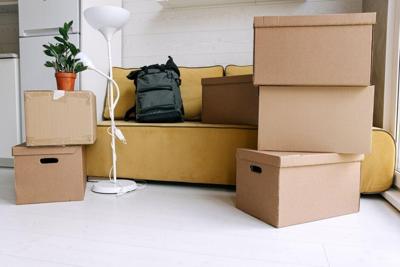

Moving out of Phoenix brings a few special challenges. You’re dealing with heat, sprawling neighborhoods, and homes that often include patios, garages, and outdoor pieces you forgot you even owned. If you’re heading across state lines, the process gets bigger fast. You need a plan that protects your belongings, your budget, and your sanity. A smart long-distance move isn’t just about getting boxes from one place to another. It’s about rebuilding your daily life smoothly in a new place.
Choose Moving Help That Matches the Scale of the Move
A local move can survive a little improvisation. A long-distance move usually cannot. Once your belongings are traveling hundreds or thousands of miles, logistics become the star of the show. Timing, storage, loading methods, and delivery windows all matter.
If you’re comparing professional help, look at experience with interstate relocations, valuation coverage, scheduling flexibility, and packing options. For homeowners in Arizona, working with Phoenix long distance movers can make sense when you need support that reflects the realities of leaving the area, not just moving across town.
Ask practical questions:
- How are delivery dates estimated?
- Are items transferred between trucks?
- What packing services are available?
- What happens if your new home isn’t ready?
You’re not just hiring muscle. You’re hiring systems.
Start With a Real Inventory, Not a Vague Guess
Before you book anything, walk through your home and make a brutally honest list of what you own. Not the fantasy version where you “don’t have that much stuff.” The real version, where the garage contains old paint cans, three mystery cords, and a chair nobody likes but nobody threw out.
Break your inventory into categories:
- Furniture
- Fragile décor
- Kitchen items
- Clothing
- Outdoor pieces
- Storage and garage items
Take photos of valuable or delicate items. That helps with insurance, planning, and peace of mind. It also gives movers a clearer picture of what you’re transporting.
This step matters because long-distance pricing often depends on shipment weight, volume, and service level. A detailed inventory keeps surprise costs from sneaking in like an uninvited houseguest.
Protect the Design Details You Actually Care About
A lot of move planning focuses on large furniture, but the details often carry the most personality. Lamps, framed art, mirrors, ceramics, side tables, and styled shelving pieces can turn into a damage report if you pack them casually.
Think about your home design in layers. Large anchor pieces need blankets, padding, and proper disassembly. Decorative items need wrapping, labeling, and sensible boxing. If you’ve invested time in making your home look polished, protect those choices like they matter, because they do.
A few useful packing habits:
- Label boxes by room and fragility
- Keep hardware in sealed, marked bags
- Wrap cords and tape them to the item
- Use small boxes for heavy items
- Avoid half-empty boxes that collapse in transit
Pretty homes don’t stay pretty through wishful thinking and one roll of discount tape.
Plan for the First 72 Hours in Your New Home
Most people plan for move-out day. Fewer plan for what happens right after arrival, which is where chaos gets very creative. You don’t want to spend your first night opening twelve boxes just to find a phone charger and a bath towel.
Pack a “first 72 hours” setup separately. Include:
- Bedding
- Toiletries
- Basic cookware
- Medications
- Chargers
- Pet supplies
- A few changes of clothes
- Important documents
If you work from home, include your laptop, router information, and anything needed for a functioning desk setup. If you have kids, add comfort items and snacks. If you have neither and only care about coffee, respectably, make that easy too.
Your goal is simple: make the house livable before it becomes fully organized. That shift makes the entire move feel less punishing.
Time Your Move Around Real-World Conditions
The date you choose affects cost, stress, and how smoothly your move unfolds. Summer is a popular moving season, but in Phoenix, summer also means triple-digit temperatures and the kind of driveway heat that feels personal.
Try to think beyond the moving truck. Consider:
- Weather conditions at both origin and destination
- School calendars
- Lease or closing dates
- Work schedules
- Building access rules
- Holiday traffic
Mid-month and mid-week dates can sometimes offer better availability. Booking early also gives you more control over service options and pricing. If you’re selling a home, build in extra breathing room when possible. Delays with closing, repairs, or paperwork can create a domino effect.
A clean schedule beats a heroic last-minute scramble every time.
Use Packing as a Chance to Edit Your Home
Long-distance moving is expensive enough without paying to transport things you no longer want, use, or even recognize. Packing forces you to look directly at your stuff, which can be surprisingly clarifying.
Sort items into four groups:
- Keep
- Donate
- Sell
- Toss
Be especially selective with bulky furniture, duplicate kitchen gear, outdated electronics, and storage-bin fossils from years ago. If something won’t suit your next space, let it go before it costs you money.
This is also a good time to rethink how you want your new home to function. Maybe your current layout taught you that you need less clutter, better storage, or more flexible furniture. A move gives you a rare reset button. Use it.
Boxes should carry your life forward, not drag old mistakes into a new ZIP code.
Understand the Paperwork and Protection Side
Moving has a boring administrative side, but boring details can save you from expensive problems. Review estimates carefully. Understand whether you’re getting a binding estimate, non-binding estimate, or another pricing structure. Ask how claims work and what valuation coverage actually includes.
Also remember the non-moving paperwork around your life:
- Update your address
- Transfer utilities
- Confirm insurance changes
- Move medical and school records
- Check DMV requirements
- Update deliveries and subscriptions
Keep contracts, receipts, ID documents, and moving contacts in one folder you can access quickly.
If something feels unclear, ask. Good companies expect questions. Long-distance relocation has enough moving parts without adding guesswork. A little admin discipline now can spare you a lot of expensive detective work later.
Set Up Your New Space With Intention, Not Exhaustion
Once everything arrives, it’s tempting to put items anywhere just to empty boxes faster. That approach usually creates a second round of work, plus the odd experience of finding a serving bowl in the bathroom closet three weeks later.
Start with priority rooms:
- Bedroom
- Bathroom
- Kitchen
- Main living area
Then place your biggest furniture pieces before styling the room. Pay attention to traffic flow, light, and storage access. If you measured in advance, this part gets easier. If you didn’t, now you get a very hands-on lesson in scale.
Give yourself permission to phase the setup. You do not need to create a magazine-ready house in 48 hours. A home comes together through smart choices, not pure adrenaline. If the layout works, the design layer can follow without feeling forced.
A successful long-distance move isn’t just about arrival. It’s about landing well, living comfortably, and making the next place feel like yours faster.


(0) comments
We welcome your comments
Log In
Post a comment as Guest
Keep it Clean. Please avoid obscene, vulgar, lewd, racist or sexually-oriented language.
PLEASE TURN OFF YOUR CAPS LOCK.
Don't Threaten. Threats of harming another person will not be tolerated.
Be Truthful. Don't knowingly lie about anyone or anything.
Be Nice. No racism, sexism or any sort of -ism that is degrading to another person.
Be Proactive. Use the 'Report' link on each comment to let us know of abusive posts.
Share with Us. We'd love to hear eyewitness accounts, the history behind an article.