
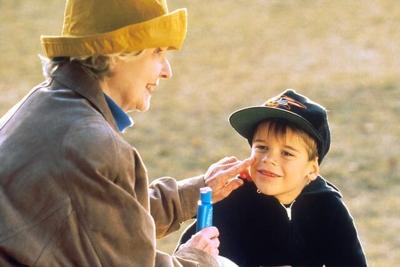

Those with sun-sensitive skin may not enjoy outdoor activities as much as everyone else. They tend to develop skin irritation when exposed to sunshine, with a severe rash and even little welts – symptoms that may disappear with time or deepen with more exposure to the sun. In turn, this can make the summertime particularly difficult for them, as this is when the sun's rays strike the earth's surface harder than at any other moment of the year.
The actual mechanism of the symptoms of sun-sensitive skin is not well understood, but it does seem to have an immunological origin. Fear not if you still want to have a good tan, but you hate the itchy rash that almost always comes with the sun's rays. Today, we'll discuss six ways to protect the body's biggest organ (and gain some much-needed Vitamin D!) without burning to a crisp.
Safety Window
If it's summer and you're sunbathing, it is always better to do it in the morning until around 10:00 a.m. After that, you will have to wait until 4:00 p.m. onwards for an evening session. This advice applies to everyone, not only to those with sun-sensitive skin. The suggested exposure time per session is approximately fifteen minutes if you are working on a tan in the summer and up to an hour if you are doing it in the colder months of the year.
Most people tend to ignore those cloudy days should not affect this healthier schedule. Over 90% of UV rays pass through the clouds and reach the earth, making sunbathing in the middle of the day a hazardous option regardless of cloud cover. People who work outdoors tend to develop a strong melanin concentration in their dermis, but their skin is just as prone to damage.
Progressive Tanning
It may be better to start increasing your melanin levels from the early days of spring rather than waiting for the hottest season of the year. It won't only help with your tan reducing the amount of radiation you'll receive in a given period of time, but it will also keep your vitamin D levels more stable throughout the year.
Vitamin D also plays an essential role in calcium absorption and bone structural integrity. If your sun sensitivity is such that you can't get enough exposure to produce vitamin D – let alone tan satisfactorily – it's important that you get it from other sources. Fatty fishes like salmon and tuna and products like fish liver oil are great alternatives to sunlight.
Relax
It's very well known that mental or physical stress can start or worsen the symptoms of any dermatological condition with an immunological base. While it is not an outright cure, trying to remain calm and enjoy the time outside may help minimize the symptoms – and even more so if they are not so intense.
Nutrition
Eating foods high in beta carotene is a good way of improving our natural defenses against UV rays, as this organic compound acts as a filter similar to melanin. These foods include carrots, pumpkins, oranges, pineapples, tomatoes, and red pepper. This nutrient can be found in the form of pills, but it's always better to take it from vegetables and find ways to add it into our everyday diet.
Solar Protection
Remember to use sunscreen during any of the four seasons. It's no different if you are going to the beach wearing your favorite adorable bikini tops or covered in hiking gear while you climb up a mountain. Your clothes won't cut by themselves, so wearing sunscreen is non-negotiable. Please choose a broad-spectrum one with a Sun Protection Factor (SPF) of at least 50 (depending upon the degree of your skin's sensitivity) every time you are going to be outside.
Skin Hydration
It's crucial to make sure your skin remains moisturized and hydrated. The sun's rays will strike your skin with increased intensity when summer arrives, and it makes the dermis darker, but it'll also become slightly thicker, which may evolve into dry skin.
That's not all, though, as the sea's salty water and the pool's chlorine can also dehydrate our main defense barrier. That's why it's necessary to take a cleansing shower after coming from the sea or getting out of the pool. And as the last step, it's beneficial to apply moisturizer ointments, even more so if they contain urea in their formula.
What Are UV Rays?
UV (ultraviolet) rays are radiation emitted by the sun. There are three kinds:
- UV-A: Not absorbed by the ozone layer
- UV-B: Mostly absorbed by the ozone layer, though some of it reaches the earth's surface (and us)
- UV-C: Completely absorbed by the ozone layer and the atmosphere
This means that almost all of the ultraviolet radiation that we get is Type A. UV-B, on the other hand, is more powerful and is responsible for sunburns. Meanwhile, UV-A is responsible for the production of vitamin D. It's constant throughout the year, and it's also responsible for DNA degeneration after prolonged exposure.
Excessive exposure to UV radiation throughout a human's life can lead to premature aging of the skin, but it may also cause cancer. Skin cancer is one of the most common cancers, and it may appear on the head, face, neck, hands, or arms because these zones are the most exposed to sunlight. Most cases of melanoma, which is the kind of skin cancer with the most severe prognosis, are caused by exposure to UV radiation.
Stay Sun Safe
Having sun-sensitive skin does not mean you can't enjoy a day on the beach or walking outdoors. Instead, knowing your limitations and being careful is enough to save you from irritation and skin damage struggles. Avoid sunbathing during midday, use sunscreen before you go out, and try to reschedule your vacation to spring if you have the chance. Then, if you genuinely want to go the extra step, bring a long-sleeved t-shirt or a big towel to stay safe from those unforgiving and brutal solar rays.


(0) comments
We welcome your comments
Log In
Post a comment as Guest
Keep it Clean. Please avoid obscene, vulgar, lewd, racist or sexually-oriented language.
PLEASE TURN OFF YOUR CAPS LOCK.
Don't Threaten. Threats of harming another person will not be tolerated.
Be Truthful. Don't knowingly lie about anyone or anything.
Be Nice. No racism, sexism or any sort of -ism that is degrading to another person.
Be Proactive. Use the 'Report' link on each comment to let us know of abusive posts.
Share with Us. We'd love to hear eyewitness accounts, the history behind an article.