
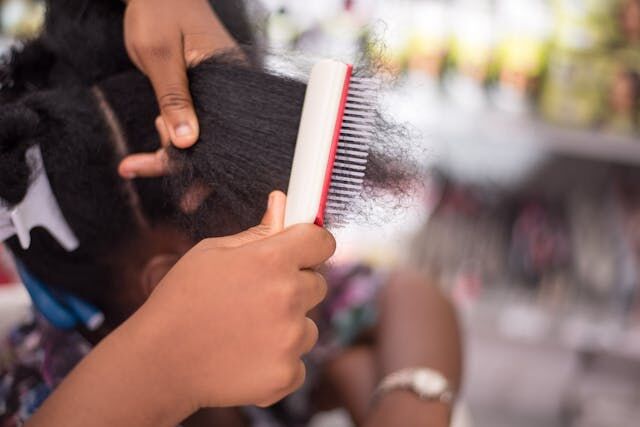
Few things feel as indulgent and relaxing as the scalp massage you get at the hairdresser—it's often the highlight of the salon experience. But why wait for your next appointment to enjoy that tension-relieving massage? With the help of a good scalp brush, you can easily recreate a salon-quality scalp massage at home. It's the ultimate addition to your hair care routine, boosting scalp and hair health.
So, do scalp brushes really work? Absolutely! This guide will explain how and why they make such a difference.
What is a Scalp Brush?
A scalp brush, or dandruff brush, is a handheld tool with soft silicone bristles, typically round and about the size of your palm. It goes by many names, including exfoliating brush, massage brush, scalp therapy brush, and scalp scrubbing brush. This versatile brush has multiple uses. It helps exfoliate dead skin cells, stimulates blood circulation to the scalp, and can apply products directly to the scalp and hair.
However, it's important to note that a scalp brush isn't a substitute for your regular hairbrush. It won't smooth or detangle hair, but it provides a gentler alternative to using your nails to scrub your scalp. Can scalp brushes be used in the shower? Absolutely! Their non-slip silicone grip makes them perfect for wet hair, though with the right technique, they can also be used on dry hair.
What is the Purpose of a Scalp Brush?
Say goodbye to flakes with exfoliation
You regularly exfoliate your skin, so why not your scalp? It deserves just as much attention! Skipping scalp exfoliation can lead to clogged follicles, dull hair, and an itchy, dandruff-prone scalp. Consistently exfoliating your scalp, however, helps remove dead skin cells and creates a healthy environment for stronger, shinier, and flake-free hair. Our shampoo brush, with its soft silicone bristles, ensures gentle exfoliation without being too harsh. You'll step out of the shower feeling refreshed from root to tip!
Helps prevent unwanted skin breakouts
No one likes dealing with pimples, especially those stubborn forehead breakouts that just won't go away. Surprisingly, your scalp might be contributing to the problem. You may wonder, "What does my scalp have to do with my face?" Well, scalp health is closely linked to your complexion, which makes sense given their proximity. Greasy hair, product buildup, and pollution can lead to acne flare-ups, especially if you have a fringe. But don't worry, you don't have to say goodbye to your beloved curtain bangs! Give your scalp extra care by using a shampoo brush to cleanse and remove the buildup thoroughly. Your scalp (and skin) will thank you!
Break down product buildup
A quality scalp therapy brush ensures hair products are applied evenly across the scalp and deep into the roots, making them more effective. This is especially helpful for those with thick or coarse hair, where spreading products using just your hands is difficult. The soft bristles exfoliate dead skin, remove buildup, and stimulate circulation, promoting healthy hair growth. A scalp brush is a game-changer for thick or curly hair, ensuring thorough product distribution for a cleaner scalp and nourished strands from root to tip.
Stimulate follicles
Scalp therapy brushes stimulate hair follicles, promoting stronger, thicker, and healthier hair growth. When hair follicles become clogged, it can lead to hair loss. Using a scalp brush to clean and stimulate the follicles gently can significantly improve your hair's overall health and vitality.
Relief stress
A scalp massage can significantly reduce stress and tension, like a body massage. The gentle pressure and stimulation of a scalp scrub promote relaxation and increase blood circulation, helping to ease the mind and body. Additionally, scalp massages can be especially effective in alleviating headaches, providing a calming way to relieve mental and physical discomfort. Incorporating a regular scalp massage into your routine can serve as a powerful tool for stress management while also benefiting your overall hair and scalp health
Do Scalp Brushes Work for Dandruff?
Dandruff can result from either an overly dry scalp or an excessively oily one, and it can have multiple causes, including skin sensitivities, conditions like dermatitis or eczema, and hormonal fluctuations. In some cases, diet plays a role, as allergies and vitamin deficiencies can contribute to dandruff by causing inflammation. Environmental factors like pollution, dry air, humidity, and stress can also worsen dandruff symptoms, making itchiness and flakes more prominent.
A scalp brush can help alleviate dandruff symptoms by gently exfoliating the scalp and removing buildup, especially when paired with a professionally formulated dandruff shampoo. The brush promotes healthier scalp conditions, making it an effective tool in managing dandruff.
How Do You Choose The Right Scalp Brush?
Choosing the right scalp brush depends on your hair texture and scalp type, as each person's needs are unique. With so many options available, it is important to find the one that works best for you.
If you frequently deal with product buildup, a brush with thinner bristles may be ideal for quickly exfoliating the scalp. On the other hand, if you've experienced hair loss or have a sensitive scalp, experts like Drs. Simmons and Woolery-Lloyd recommend opting for a scalp brush with soft silicone bristles. These gentler bristles help prevent breakage and reduce tangles, making it a better choice for delicate hair and scalp care.
(0) comments
We welcome your comments
Log In
Post a comment as Guest
Keep it Clean. Please avoid obscene, vulgar, lewd, racist or sexually-oriented language.
PLEASE TURN OFF YOUR CAPS LOCK.
Don't Threaten. Threats of harming another person will not be tolerated.
Be Truthful. Don't knowingly lie about anyone or anything.
Be Nice. No racism, sexism or any sort of -ism that is degrading to another person.
Be Proactive. Use the 'Report' link on each comment to let us know of abusive posts.
Share with Us. We'd love to hear eyewitness accounts, the history behind an article.