
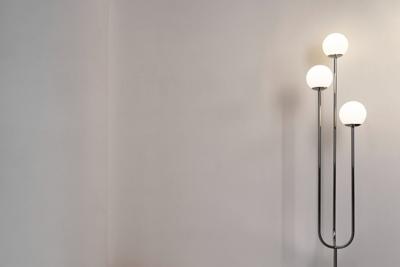

Envision a room where the morning light seamlessly complements the space, creating a comfortable and energizing atmosphere. And as the day transitions to nighttime, the lighting systems adjust to accentuate its beauty and functionality.
This flawless lighting scheme isn’t up to chance—it results from careful lighting fixture selection and placements.
As such, the perfect lighting fixtures elevate your home’s design beyond illumination. They also meet your practical needs so you can conveniently move around and perform tasks.
This guide will provide the roadmap to navigating lighting fixtures by outlining the steps to choosing the perfect ones, equipping you with knowledge to bring the best out of your spaces.
1. Determine the Required Light in Each Room
The first step is to determine the required light in each room. This process entails understanding the following types of lighting.
Accent – The lighting fixtures emphasize specific areas or objects within a room, drawing attention to an accent and elevating the mood.
Ambient – Also called general lighting, this is a space’s primary light source, providing complete illumination for spaces like dining rooms, bedrooms, and living rooms.
Task – Lighting scheme that often uses fluorescent and incandescent lights to brighten task surfaces like desks and kitchen counters.
Decorative – Infuses style into lighting fixtures to create an aesthetic ambiance
Architectural – The efficient use of accent, ambient, task, and decorative lighting. It has four forms:
Soffit – Recessed lighting arrangement casting light downward toward the ground, ideal for home security.
Cove – The lighting fixtures are mounted to ceilings or walls and concealed to diffuse the light.
Daylighting – Controlled design of direct sunlight, natural light, or diffused skylight. It involves strategic designing of the fenestration (doors and windows).
Valance – The lighting fixtures are installed in glass, metal, or wood valence mounted above the windows or walls. The light is indirect, bounces upward and downward, and helps reduce glare and shadows.
Once you understand these concepts, define the purpose of each room by answering these questions:
How will you use the spaces, and what tasks will you perform?
What light intensity do the spaces require? High or low?
Will the spaces benefit from direct or indirect lighting?
Will you incorporate your style by creating a color scheme and adding embellishments?
2. Consider the Color Temperature
Whether natural or artificial, the color temperature of your lighting fixtures affects your perception of hues within spaces.
Color temperature impacts the warmth and coolness of lights. It is measured by Kelvin (K).
Lower color temperatures cast warmer light, while higher ones emit cooler light. Examples of approximate color temperature of various lighting sources include:
1700K – Match flame
2900K – Warm white fluorescent light
4100K – Moonlight
4200K – Cool white fluorescent light
5600 to 6000K – Overhead daylight at noon
6500K – Overcast daylight
3. Choose Fixture Types That Complement Your House’s Design
After deciding on the color temperature, it’s time to research your options. Ensure the fixtures complement your interior and exterior designs so they blend with the existing decoration and furniture.
Then, consider the placement of your controls and switches. Preferably, you must find areas with minimal buttons and knobs to maximize your lighting placements.
Also, ensure the size is proportional to the dimensions of your rooms.
If a flush-mount ceiling light is among your options, consider getting one from lighting suppliers like Visual Comfort & Co. They offer various options that can seamlessly blend with any decor.
4. Scale Down Your Options Based on Function
Before purchasing, consider the functions of your options. Scale down your list based on preferences and illumination requirements.
Do you want to brighten a corner or highlight a statement piece?
Do you need a specific fixture for task lighting or general illumination?
Do you want to reduce electric consumption to lower energy bills?
Do these fixtures meet technical and safety requirements?
5. Create a Budget
Lighting can be one of your most significant home expenses. So, creating a budget is vital to estimate the amount you’ll need.
Shop around to compare the prices and assess which aligns with your funds. Remember that expensive doesn’t always mean high quality, and cheap doesn’t always mean low quality. It’s all about balancing style and functionality to meet your needs.
Define Your Meaning of Perfect
The perfect lighting fixtures depend on various factors, such as space dimensions, tasks, and your preferences.
Factoring in these aspects will help you choose lighting solutions that match your unique definition of perfection. This way, each fixture fulfills its functions and enhances your home’s aesthetic while meeting your style and needs.
Here are some articles related to your search :
Interior Design with the Color Blue
(0) comments
We welcome your comments
Log In
Post a comment as Guest
Keep it Clean. Please avoid obscene, vulgar, lewd, racist or sexually-oriented language.
PLEASE TURN OFF YOUR CAPS LOCK.
Don't Threaten. Threats of harming another person will not be tolerated.
Be Truthful. Don't knowingly lie about anyone or anything.
Be Nice. No racism, sexism or any sort of -ism that is degrading to another person.
Be Proactive. Use the 'Report' link on each comment to let us know of abusive posts.
Share with Us. We'd love to hear eyewitness accounts, the history behind an article.