
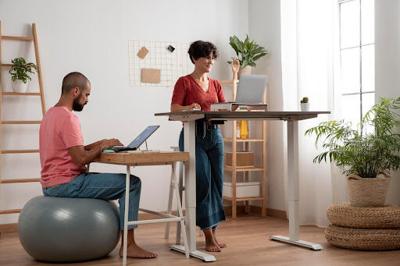

Creating a productive work environment goes beyond a strategically placed desk and a chair. The design of a workspace can significantly impact how well people perform, feel, and engage with their tasks.
Well-thought-out spaces foster creativity, reduce stress, encourage a healthy work-life balance, and contribute to better output. Below are five ways smart design choices can transform a space into a productivity hub.
Natural Light and Open Layouts Enhance Focus
Natural light positively impacts mood, energy levels, and overall performance. An office filled with natural light helps reduce common culprits behind low efficiency, like eye strain and headaches. Large windows, skylights, or open layouts that allow sunlight to filter in can significantly affect how energized people feel.
Open layouts also contribute to a more collaborative atmosphere by promoting flexibility. It allows workers to adjust their workstations to suit their preferences or switch locations throughout the day for a change in scenery. These simple changes enhance focus and stimulate engagement.
Personalized Spaces Promote Ownership and Motivation
When individuals can personalize their environment through decorative items, family photos, or inspirational quotes, they are more likely to feel connected to their workspace.
This personalization can also extend to thoughtful, motivational gifts, such as anniversary gifts for employees. Gestures that celebrate and recognize individual efforts can contribute to a positive atmosphere.
When employees see their work environment as an extension of themselves, they become more engaged and productive, leading to better outcomes for the entire team.
Incorporating Biophilic Elements Reduces Stress
Nature-inspired or biophilic design is a scientifically backed method to improve well-being and productivity. Bringing elements of the outdoors into the workspace - whether through indoor plants, natural materials, or water features - helps reduce stress and increase creativity.
Adding greenery to office spaces improves air quality, decreases anxiety, and boosts mood. Natural materials like wood, stone, or water features provide a calming ambiance that makes it easier to stay focused. Employees working in biophilic environments often feel more connected to their surroundings, resulting in better morale and greater productivity.
Ergonomics: Comfort Equals Efficiency
Ergonomically designed workspaces promote both health and productivity. When employees are comfortable, they can concentrate on their work without discomfort or pain. Adjustable desks and chairs, proper lighting, and monitor stands are small but effective ways to ensure workers maintain good posture and avoid physical strain during long work hours.
For example, standing desks promote movement during the day, minimizing the health risks of extended sitting. Well-designed ergonomic spaces also help alleviate fatigue, allowing employees to sustain greater focus and productivity for longer.
Dedicated Quiet Zones Promote Deep Work
Not all tasks are collaborative. Some require intense focus and a quiet environment to reach the flow state, which is where peak productivity occurs.
A well-designed workspace should offer areas dedicated to quiet, uninterrupted work. These quiet zones can come in soundproof booths, private rooms, or even small nooks where employees can retreat when they need to concentrate.
These zones allow employees to decide the environment that best suits their tasks. In turn, employees remain productive whether they’re working on team projects or need to focus on individual, deep work.
Create Inviting Break Areas to Recharge and Reflect
Well-designed break areas help maintain employee well-being and productivity. These spaces allow employees to leave their workstations, recharge, and refresh their minds.
Incorporating comfortable seating, natural elements, and entertainment options can transform a simple break room into an inviting retreat. Encouraging short breaks helps reduce stress and enhances overall productivity by preventing burnout.
As organizations strive to cultivate positive work environments, investing in design strategies that prioritize employee well-being will pay off in productivity and morale.

(0) comments
We welcome your comments
Log In
Post a comment as Guest
Keep it Clean. Please avoid obscene, vulgar, lewd, racist or sexually-oriented language.
PLEASE TURN OFF YOUR CAPS LOCK.
Don't Threaten. Threats of harming another person will not be tolerated.
Be Truthful. Don't knowingly lie about anyone or anything.
Be Nice. No racism, sexism or any sort of -ism that is degrading to another person.
Be Proactive. Use the 'Report' link on each comment to let us know of abusive posts.
Share with Us. We'd love to hear eyewitness accounts, the history behind an article.