
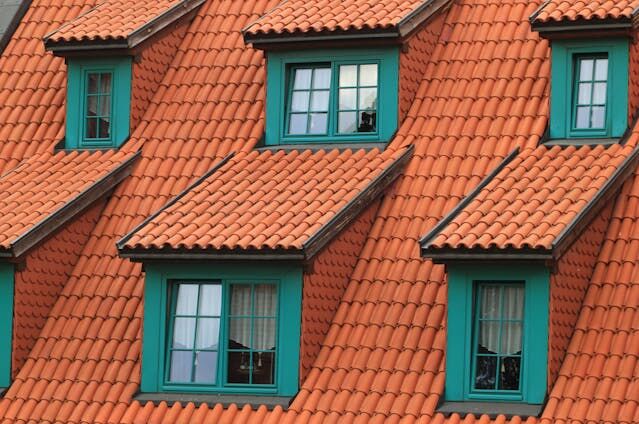
Choosing the right roof for your home is essential for functionality and aesthetics. With so many options available, it's important to consider the look of your roof, its durability, and how it will hold up in your climate. Engaging with experienced roofing contractors can provide valuable insights and assistance in making this significant home improvement decision. A roof is a protective layer and reflects your home's character and style. This detailed manual will investigate different roofing materials, the influence of weather conditions, financial factors, and design preferences. We will also delve into maintenance practices to extend your roof's lifespan and discuss the advantages and disadvantages of hiring professional roofing services versus undertaking a project independently. By the end of this article, you'll be well-equipped to make an informed choice for your home that balances practicality, aesthetics, and budget.
Introduction to Roofing Choices
A roof is a protective shield against the elements and a statement of style. Whether you're replacing an old roof or installing a new one, understanding the nuances of your options is crucial. The choice of roofing material will influence your home's energy efficiency, longevity, and aesthetic appeal. Homeowners often decide to update their roofs due to age, damage, or as part of a broader renovation project. Regardless of the motivation, the decision-making process requires considering weather conditions, building design, and financial resources. Recognizing the weight of these factors early on can prevent future headaches and ensure a successful roofing project. Many people start by searching online for a 'roofing contractor near me' to gain local expert insight and ensure the project is handled professionally.
Types of Roofing Materials
Certain well-liked varieties include asphalt shingles, which are famous for being cost-effective and straightforward to install. Wood shakes add a natural and rustic charm, while clay tiles offer a classic Mediterranean appeal. Asphalt shingles are widely favored for roofing because they are affordable and easy to install. Nevertheless, their longevity is usually less than that of materials such as metal, which have a 40 to 70 years lifespan. Meanwhile, options like wood shakes deliver extraordinary aesthetics but necessitate regular maintenance to prevent decay and insect infestations.
Each material has its benefits and drawbacks. For instance, wood shakes may look beautiful but require more maintenance than metal roofs. Clay tiles, though durable, can be heavy and require reinforced roof framing. The initial cost and maintenance should be carefully weighed against each material's long-term benefits.
Climate Considerations in Roofing
The climate in your area is essential when choosing a roofing material. In areas with frequent rainfall, materials that offer superior water resistance are ideal, such as metal or synthetic shingles. Conversely, metal roofs are well-suited for regions prone to wildfires, providing excellent fire resistance. Understanding how the sun's UV rays, precipitation, and wind affect different materials is essential for making a choice that will endure over time. For homes in sunny climates, materials that reflect solar heat can help reduce cooling costs and improve energy efficiency. Considering these factors ensures that your roof will complement your home and withstand the environmental challenges it faces. Refer to the National Weather Service for climate data that can influence your roofing decision-making. Proper research into local weather patterns allows homeowners to align their roofing choice with practical functionality, ensuring longevity and sustainability in their investment.
Budgeting for Your New Roof
Asphalt shingles are a cost-effective choice, while slate and tile tend to be pricier. Getting quotes from trustworthy roofing contractors is crucial for comparing prices and services. Good budgeting includes accounting for potential unexpected expenses such as additional structural support for heavier materials or upgrades to insulation and ventilation systems. Keep in mind that the cheapest option is only sometimes the best. Long-term savings often justify the higher upfront cost of more durable materials. It's wise to prioritize durability and reliability over initial savings. Moreover, high-quality materials usually come with warranties, offering peace of mind and protection against future repairs.
Roofing Aesthetics and Design
The appearance of your home dramatically relies on the condition of your roof. Consider how different materials and colors complement your home's architecture. A well-chosen roof can significantly enhance your property's curb appeal and market value. The architectural style of your home—be it colonial, contemporary, or ranch—can inform aesthetic choices and create a harmonious look between the roof and the overall appearance of your property. Mixed roofing styles, such as blending shingles with metal, are becoming increasingly popular and can add a unique visual interest to your home. Creative combinations can highlight the distinctive features of your home's design while adding a personalized touch.
Maintenance Tips for Longevity
Consistent upkeep can significantly prolong the lifespan of your roof. Clean gutters, remove debris, and monitor any potential leaks or damaged areas. Seasonal maintenance checks are especially important to address weather-specific concerns, like snow in winter or leaves in fall. Investing a little time into maintenance can save you money in the long run. Basic actions such as fixing minor leaks, securing loose shingles, and cleaning the roof can help preserve the quality and look of your roof over time.
Pros and Cons of Professional Roofing Services
Hiring professional roofers provides the expertise and safety that DIY projects may need to gain. Professionals can offer warranties and are trained to handle unforeseen complications efficiently, ensuring a job well done. They understand local building codes and can procure necessary permits, further simplifying the process for homeowners. However, a DIY approach might be a fulfilling and cost-effective alternative for those with the right skills and knowledge. If opting for a DIY project, ensure you have the proper safety equipment, understand the complexity of the task, and comply with local zoning laws.
Standard Roofing Mistakes to Avoid
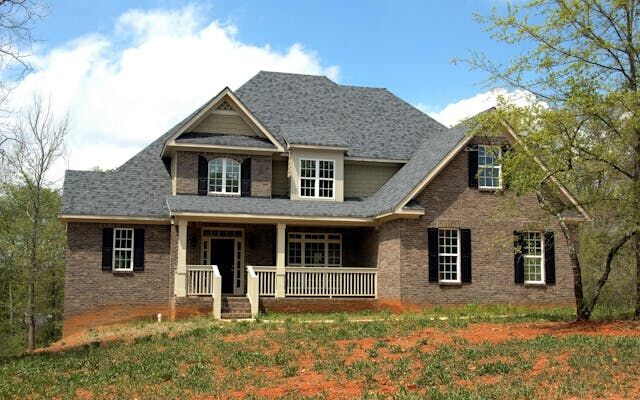
A successful roofing project requires thorough planning. Common mistakes include underestimating the budget, choosing unsuitable materials, and neglecting to factor in maintenance. Issues such as improper ventilation can lead to energy loss and mold growth while ignoring regional weather patterns can reduce the material's lifespan. Avoid these pitfalls by educating yourself and consulting with professionals as needed. Spending time on research and strategic planning can save time, money, and hassle in the long run, ensuring that your roofing investment delivers the protection and aesthetic appeal you desire.
Ultimately, your roof is an investment in the protection and beauty of your home. Considering these factors guarantees that your decision will withstand the test of time, elements, and individual preferences. Thoughtful selection and maintenance can lead to a roof that complements your home's architecture while offering the durability needed to face diverse climatic challenges.


(0) comments
We welcome your comments
Log In
Post a comment as Guest
Keep it Clean. Please avoid obscene, vulgar, lewd, racist or sexually-oriented language.
PLEASE TURN OFF YOUR CAPS LOCK.
Don't Threaten. Threats of harming another person will not be tolerated.
Be Truthful. Don't knowingly lie about anyone or anything.
Be Nice. No racism, sexism or any sort of -ism that is degrading to another person.
Be Proactive. Use the 'Report' link on each comment to let us know of abusive posts.
Share with Us. We'd love to hear eyewitness accounts, the history behind an article.