
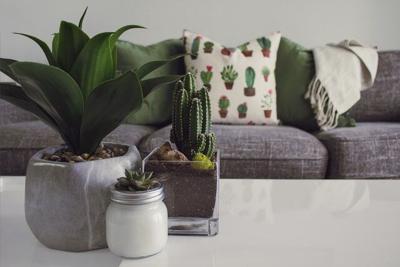

Plants are a great addition to any home as they brighten the décor. In addition, they can effectively bring the outdoors inside, mainly when it is not so lovely outside. If you don’t have a garden, indoor plants, especially unkillable plants, are an excellent investment.
Of course, indoor plants are also very good at purifying the air, and research suggests that they can be effective at releasing stress-reducing anxiety and fighting depression. That’s a good enough reason for them to be in any home.
But, having plants at home means looking after them. Even those that are virtually unkillable will need some care. The good news is that you can quickly learn the proper techniques and ensure your plants have everything they need to flourish.
The Right Water
Before you water your plants, you need to consider what water you are going to use. In general, tap water is perfectly acceptable. However, the chlorine in tap water can affect the health of your houseplants; that’s why you may prefer to use filtered water.
You should also note that hard water can be an issue as it will contain abundant minerals, and not all are beneficial for your plants. The bottom line is filtered water is best, but your plants should survive regardless of what water you use.
Assessing Water Levels
The next step is to consider your plants. All plants are different; it is best to look at where they originate as this will tell you a lot about how much rain they are used to. For example, succulents are used to surviving with very little water; this is why they are so adept at storing water. In contrast, plants from tropical areas of the world tend to have large leaves as they are used to high water levels and need the water for their leaves!
Being guided by the type of plant you have makes it easier to get the water level right.
- The Soil Test
Plants that don’t need watering too often, such as succulents, should have the soil test done. This means pressing your finger into the first inch of the soil. If it is dry, then it is time to water the plant. If it’s wet, then they don’t need watering!
- Daily Watering
In contrast, plants with big leaves and are used to lots of water will prefer it if you water them a little every day. You don’t need to test the soil before watering them.
The Secret Trick To Watering
The best way to prevent overwatering and yet still water some plants every day is to ensure good draining soil. Add holes to your pots and keep them on a tray or container of some description. This will ensure the water is contained. Then, instead of watering the plant, or the soil, water the tray.
Your plant will stretch its roots down to absorb the moisture at the bottom of the pot. The soil here will be moist because the water is sat on the tray. This ensures the plant gets the water it needs whenever it wants it, without being overwatered. You can leave water in the tray without the risk of drowning the plant.
However, you should check on the type of plant. Some don’t like sitting in water, and if you leave water on the tray, you will find their roots start to rot. The best way to avoid this is to water your plants daily and pour the water away in the tray after ten minutes. This will prevent root rot or mold growth.
Wilting
If your plant is wilting, that means the plant needs water. Wilting is when the leaves are limp, they have lost their shine but are not crispy or dry. When they get to that stage, the plant is probably too far gone. You can add water to the container at the wilting stage and let the plant absorb the water it needs. It will usually take 24 hours for it to start looking better.
However, you should note that it is best not to let your plant get to the wilting stage; If it does, it is more likely to become infected, especially if you have bugs on the plant.
Create Your Schedule
To avoid wilting or overwatering, you should create a schedule. In most cases, reviewing water levels and soil dryness once a week is enough. However, if you are not sure and have recently got a new plant, you can check them daily until you work out what schedule suits them.
You can then log your watering patterns and create a reminder on your phone or some other device that you find practical to remind you of everyday tasks. You can even get apps to help with the schedule.
Consider The Seasons
Don’t forget that plants generally need more water when they are flowering and growing. This is typically the spring and summer months. In the winter, they are semi-hibernating and can be watered less.
You need to be aware of this and adjust our watering schedule according to what time of year it is.
Final Thoughts
Getting the watering right with indoor plants can be difficult, especially as every plant has different needs. However, the soil test is practical on most plants and will help you create a schedule that works.
Alongside this, you will need to adopt a trial and error approach. After all, the variables that influence water needs include the time of year, amount of light, type of plant, and even their position in your room. The above guidelines will help you work out the perfect schedule, but you need to prepare to do a little trial and error to perfect it.
At this point, you will be able to pass the schedule on to friends when you cannot do it yourself!

(0) comments
We welcome your comments
Log In
Post a comment as Guest
Keep it Clean. Please avoid obscene, vulgar, lewd, racist or sexually-oriented language.
PLEASE TURN OFF YOUR CAPS LOCK.
Don't Threaten. Threats of harming another person will not be tolerated.
Be Truthful. Don't knowingly lie about anyone or anything.
Be Nice. No racism, sexism or any sort of -ism that is degrading to another person.
Be Proactive. Use the 'Report' link on each comment to let us know of abusive posts.
Share with Us. We'd love to hear eyewitness accounts, the history behind an article.