
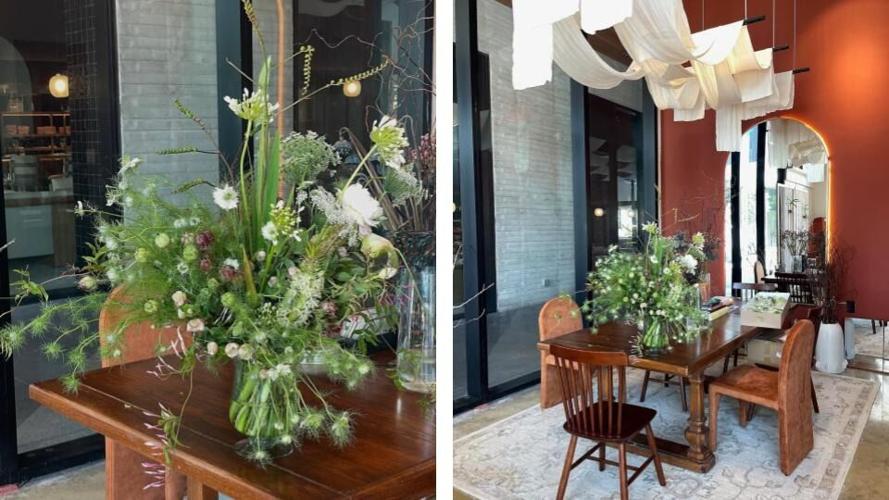
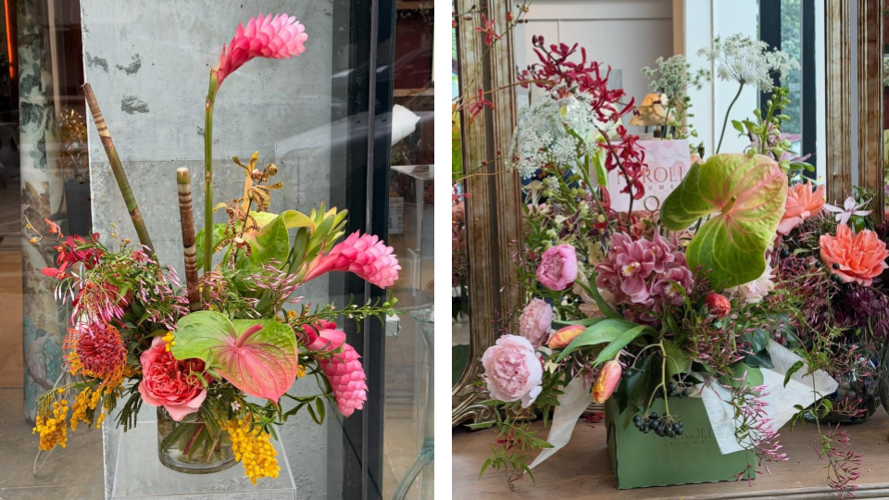
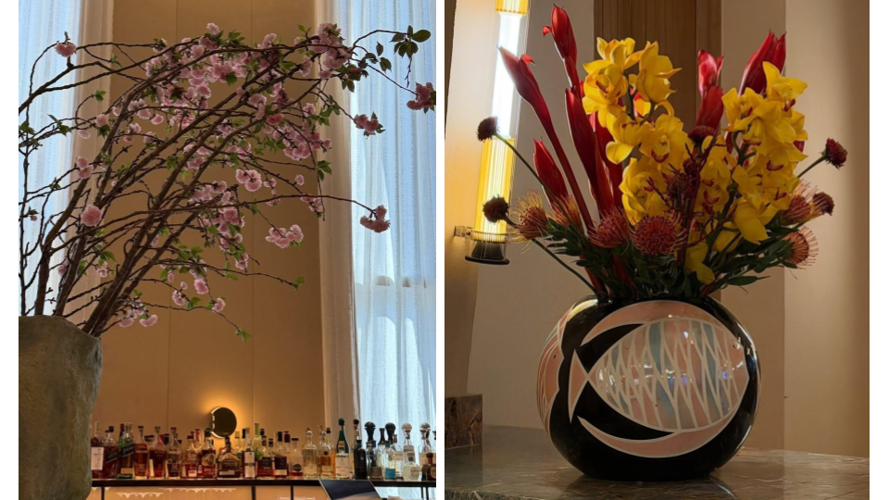
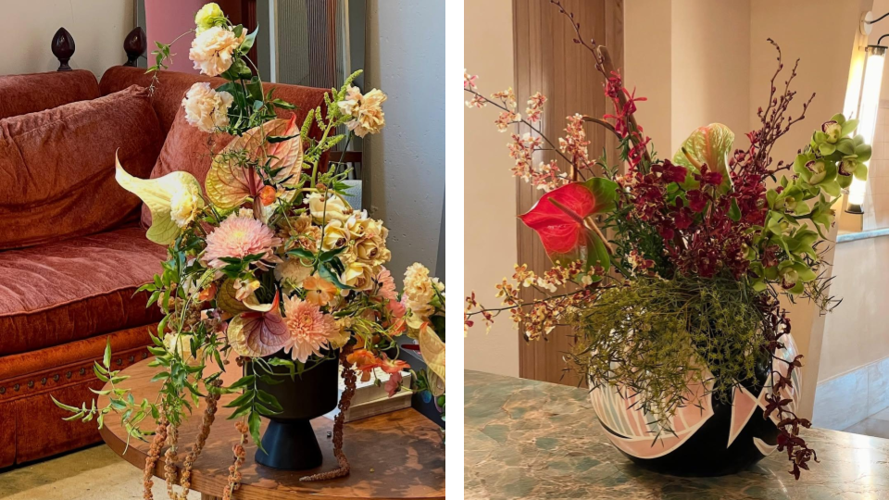
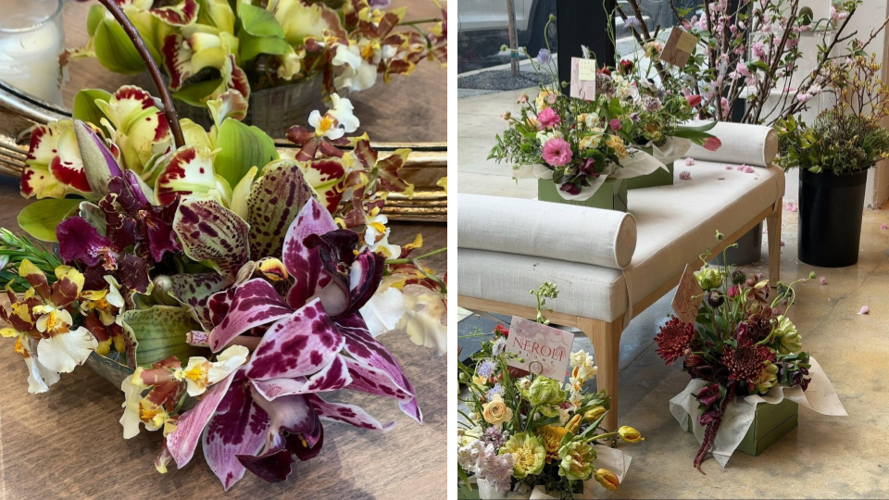

Decorating with flowers is no longer about placing a simple bouquet on a table. In a well-designed home, flowers act as a living extension of the space. They introduce movement, texture, and a sense of presence that static décor cannot achieve. When done thoughtfully, flower decoration at home becomes part of the overall design language rather than an afterthought.
If you have ever wondered how to decorate with flowers in a way that feels refined rather than ordinary, the answer lies in intention. From choosing the right stems to understanding placement and light, every detail contributes to a more elevated result.
What defines luxury flower decoration at home?
Luxury flower decoration at home is not about abundance. It is about precision and restraint. Instead of filling a room with multiple arrangements, a single, well-composed piece can create far greater impact.
The difference often comes down to materials and composition. Premium stems with strong structure and visual presence immediately elevate an arrangement. However, what truly defines a high-end look is the use of texture. Moss, branches, and layered greens can add depth and complexity, creating a composition that feels natural yet intentional.
Decorating with flowers in this way allows them to integrate into the space. They should feel connected to the room, echoing its materials and atmosphere rather than sitting apart from it.

How do you choose the right flowers for interior styling?
Choosing flowers for your home requires more than selecting colours that match. To truly understand how to decorate with flowers in a luxury setting, you need to consider form, presence, and texture.
Look at your interior first. A modern space with clean lines may benefit from structured arrangements with sculptural stems. A softer environment may call for looser compositions that flow naturally. The goal is to create harmony between the flowers and the surrounding design.
When thinking about what goes with flowers, consider materials already in the room. Stone surfaces, wooden furniture, and glass elements all influence how an arrangement is perceived. Flowers should complement these elements, not compete with them.
It is also worth noting that high-quality faux flowers can sometimes be incorporated alongside fresh stems. Look for materials that mimic the texture and feel of real flowers. When used selectively, they can extend the life of your styling while maintaining a refined appearance.

Where should you put flowers in the house for the best effect?
Placement is one of the most important aspects of decorating with flowers. Even the most beautiful arrangement can lose its impact if it is positioned incorrectly.
Start with the entryway. This is where first impressions are formed. A well-placed arrangement here immediately sets the tone for the home. In the living room, a coffee-table arrangement can create a sense of everyday elegance without overwhelming the space.
Dining tables are natural focal points, but scale matters. The arrangement should enhance the setting, not block conversation or feel excessive. Bedrooms and bathrooms can benefit from smaller, more subtle placements that add warmth and softness.
Plants and flowers can make a major impact when artfully placed. Even simple greenery or clippings can transform a corner, adding life and a quiet sense of luxury. When considering where to put flowers in the house, think in terms of balance rather than coverage.
How is bespoke floral styling changing modern interiors?
There has been a noticeable shift in how people approach decorating flowers in the home. Traditional round bouquets are gradually being replaced by more sculptural, expressive compositions.
Bespoke floral styling focuses on creating arrangements that are specific to the space and the moment. These designs often feature asymmetry, movement, and a mix of textures that feel curated rather than assembled. Each arrangement becomes a unique element within the interior.
Today, many homeowners are moving toward florists who specialize in luxury flower designs, where each arrangement is created to complement the architecture and mood of the space rather than follow a standard template.
This approach aligns with the broader movement in interior design toward personalization. Instead of repeating trends, people are seeking elements that reflect their own aesthetic and lifestyle.

How do you style flowers like an interior designer?
Understanding how to decorate with flowers at a professional level comes down to a few key principles.
Height variation is essential. Combining taller stems with lower elements creates visual interest and prevents the arrangement from feeling flat. Negative space is equally important. Allowing room between elements gives the composition a sense of clarity and sophistication.
Lighting is another factor that is often overlooked. A soft spotlight or gentle wash of light can dramatically enhance the depth of an arrangement, especially in the evening. It highlights textures and creates subtle shadows that bring the flowers to life.
Vase selection should not be treated as secondary. The vessel is part of the composition. Whether it is glass, ceramic, or stone, it should align with the overall design of the room.
What mistakes should you avoid when decorating with flowers?
One of the most common mistakes in room decoration with flowers is overcomplicating the arrangement. Too many colors, too many stems, or too many placements can create visual clutter.
Another issue is ignoring scale. A small arrangement in a large space may feel insignificant, while an oversized piece in a compact area can feel overwhelming. Balance is key.
Texture is also often overlooked. Relying only on blooms without incorporating greens or structural elements can result in a flat and less dynamic composition.
Lighting plays a role here as well. Poor lighting can diminish even the most carefully designed arrangement, making it appear dull or lifeless.
How often should you refresh flowers at home?
Fresh flowers require maintenance, but this is part of what makes them special. Depending on the type of stems and the environment, arrangements may last several days to over a week.
Refreshing flowers regularly helps maintain the overall atmosphere of the home. For those who prefer consistency, combining fresh arrangements with high-quality faux elements can provide a balance between longevity and authenticity.
Understanding how to decorate flower arrangements also includes knowing when to replace them. A fresh composition always brings renewed energy into a space.
Can flowers become a signature element in your home?
Flowers can become a defining feature of your interior. When used consistently and thoughtfully, they contribute to a recognizable style.
Some homes favor minimal arrangements with a limited color palette. Others embrace more expressive compositions with bold forms and textures. There is no single approach. What matters is consistency and alignment with the overall design.
Decorating with flowers in this way turns them into more than decoration. They become part of the identity of the space.

Learning how to decorate with flowers is not about following strict rules. It is about understanding how flowers interact with space, light, and design.
Luxury flower decoration at home is defined by intention. It is about choosing the right elements, placing them thoughtfully, and allowing them to enhance the environment naturally.
When done well, flowers do not just decorate a room. They transform how it feels, creating a space that is both elevated and deeply personal.


(0) comments
We welcome your comments
Log In
Post a comment as Guest
Keep it Clean. Please avoid obscene, vulgar, lewd, racist or sexually-oriented language.
PLEASE TURN OFF YOUR CAPS LOCK.
Don't Threaten. Threats of harming another person will not be tolerated.
Be Truthful. Don't knowingly lie about anyone or anything.
Be Nice. No racism, sexism or any sort of -ism that is degrading to another person.
Be Proactive. Use the 'Report' link on each comment to let us know of abusive posts.
Share with Us. We'd love to hear eyewitness accounts, the history behind an article.