
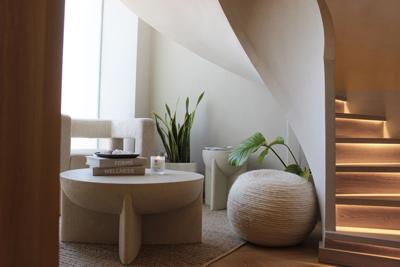
Living in a small space doesn't mean you have to sacrifice style, comfort, or functionality. With some creative planning and design techniques, you can make the most of your limited square footage and create a home that feels spacious and inviting. In this article, we'll explore various tips and tricks for maximizing small spaces, drawing on expert insights from the interior design firm of Nina Magon.
Choose multifunctional furniture: In a small space, it's essential to make every piece of furniture count. Opt for multifunctional items that can serve multiple purposes, such as a sofa bed, an extendable dining table, or a storage ottoman. This will help you save space and create a more efficient and versatile home.
Embrace vertical space: When floor space is limited, look up and make use of vertical space. Install floating shelves, wall-mounted cabinets, or tall bookcases to create additional storage and display areas. This will help draw the eye upward, making your space feel taller and more expansive.
Use light colors and reflective surfaces: Light colors and reflective surfaces can help to create the illusion of a larger space. Choose a light color palette for your walls, furniture, and textiles, and incorporate mirrors, glass, and metallic accents to reflect light and visually expand your space.
Opt for open storage: Open storage solutions, such as shelves or wall-mounted racks, can help to create a sense of spaciousness in a small room. By displaying your belongings rather than hiding them away in closed cabinets, you can make your space feel more open and airy.
Incorporate space-saving solutions: When space is at a premium, it's important to think creatively and utilize every available inch. Consider incorporating built-in storage, such as under-stair cupboards or window seats with hidden storage compartments. You might also consider wall-mounted or fold-away furniture, such as a wall-mounted desk or a fold-out dining table, to save space when not in use.
Create distinct zones: In a small space, it's essential to clearly define different areas for various activities, such as sleeping, working, and relaxing. Use rugs, room dividers, or furniture placement to create distinct zones and establish a sense of order and organization within your space.
Use lighting strategically: Proper lighting can play a key role in making a small space feel larger and more inviting. Layer your lighting by incorporating a mix of ambient, task, and accent lighting, and consider using wall sconces, floor lamps, or pendant lights to save valuable floor and surface space.
Keep clutter to a minimum: Clutter can quickly make a small space feel cramped and overwhelming, so it's essential to keep your home organized and clutter-free. Regularly declutter your belongings, and invest in smart storage solutions to ensure that everything has a designated place.
Select appropriately sized furniture: In a small space, it's crucial to choose furniture that is proportionate to the room. Opt for compact and streamlined pieces that won't overwhelm your space, and avoid oversized or bulky items that can make your room feel cramped.
Consult with a professional: If you're unsure how to maximize your small space or need expert guidance, consider consulting with an interior design firm like Nina Magon's. A professional designer can help you navigate the challenges of small-space living and create a home that feels spacious, stylish, and functional.
In conclusion, maximizing small spaces involves strategic furniture selection, creative storage solutions, and a thoughtful approach to color and lighting.
Here are Some Other Articles Related to Your Search:
Interior Design with the Color Blue
How to choose an interior design style? An expert interior designer tips

(0) comments
We welcome your comments
Log In
Post a comment as Guest
Keep it Clean. Please avoid obscene, vulgar, lewd, racist or sexually-oriented language.
PLEASE TURN OFF YOUR CAPS LOCK.
Don't Threaten. Threats of harming another person will not be tolerated.
Be Truthful. Don't knowingly lie about anyone or anything.
Be Nice. No racism, sexism or any sort of -ism that is degrading to another person.
Be Proactive. Use the 'Report' link on each comment to let us know of abusive posts.
Share with Us. We'd love to hear eyewitness accounts, the history behind an article.