
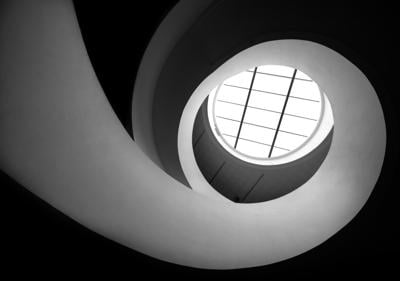
Are you considering adding skylights to your home? Skylights are a popular design feature for bringing natural light into interior spaces while potentially improving ventilation and making rooms feel more open. Before installing one, however, there are several practical factors worth considering, from roof structure and placement to installation costs and long-term maintenance.
Pros and Cons of Skylights
Adding a skylight involves more than simply placing another window in your home. Because the installation alters the roof structure, the decision should take design, construction, maintenance, and energy performance into account.
Advantages of Skylights
- Bring more natural light into interior spaces
- Can make rooms feel larger and more open
- May reduce the need for artificial lighting during the day
- Provide additional outdoor or sky views
- Operable models can improve ventilation
Potential Drawbacks
- Installation requires time and roof work
- Finding an experienced skylight contractor may require additional research
- Poor installation can increase the risk of leaks or drafts
- Some locations may experience unwanted heat gain or glare
Although installation time can be considered a drawback, almost any significant home renovation requires planning and construction. A properly selected and professionally installed skylight can become a long-term architectural feature rather than simply another home-improvement project.
Skylight Benefits
One of the greatest advantages of a skylight is its ability to change how a room feels. Natural daylight can brighten spaces that would otherwise depend heavily on lamps or overhead fixtures, particularly hallways, bathrooms, stairwells, kitchens, and interior rooms with limited exterior wall space.
A well-positioned skylight can also become an architectural focal point. Instead of relying solely on traditional windows, homeowners can introduce light from above, creating changing patterns of daylight throughout the day and giving interiors a stronger connection to the outdoors.
Making a Room Feel More Spacious
Dark rooms with few windows can feel smaller and more confined than their actual dimensions suggest. Skylights introduce light from overhead, which can visually open a room and draw the eye upward.
They can be particularly useful in spaces where conventional windows are limited by neighboring buildings, privacy considerations, or the home's floor plan. In those situations, a skylight can provide daylight without sacrificing valuable wall space.
Using Natural Light More Effectively
Natural light can change both the appearance and functionality of a room. Colors, finishes, furniture, and architectural details often appear more dynamic when illuminated by daylight rather than artificial lighting alone.
Strategic placement is important. Depending on the roof orientation and local climate, some skylights may introduce more direct sunlight and heat than others. Choosing the correct glazing, shades, placement, and skylight design can help homeowners balance brightness with indoor comfort.
What Types of Homes Work Best With Skylights
Whether a skylight is appropriate depends heavily on the home's roof structure, condition, slope, and orientation. Older homes may require additional roof work, while newer properties may offer easier installation depending on framing and roofing materials.
Both flat-roof and pitched-roof homes can accommodate skylights, although the installation method and product specifications may differ. Pitched roofs generally provide natural water drainage, while flat-roof installations require systems specifically designed to manage moisture and weather exposure. Consulting an experienced skylight company familiar with local construction standards can help determine which type of skylight is appropriate for a particular property.
How Skylight Costs Are Calculated
Installation costs vary depending on whether the project involves a new opening, replacement, or repair. The size and style of the skylight, roof material, accessibility, interior finishing, labor requirements, and structural modifications can all influence the final price.
More complicated installations may also require additional framing, drywall repair, painting, flashing, or roofing work. Homeowners should request a detailed estimate explaining what is included rather than comparing prices based solely on the cost of the skylight itself.
How Long Installation May Take
An experienced contractor should be able to provide an estimated installation schedule after inspecting the roof and determining the scope of work. A straightforward replacement may require considerably less time than creating an entirely new roof opening.
Weather can also affect scheduling because roof work generally requires suitable conditions. Planning ahead is especially important during busy renovation seasons when experienced contractors may be booked several weeks in advance.
Skylight Maintenance
Like conventional windows, skylights require periodic cleaning and inspection. Interior glass can generally be cleaned using nonabrasive materials, while exterior surfaces may be more difficult to access depending on the roof and installation height.
Homeowners should also watch for signs of condensation, damaged seals, staining, drafts, or water intrusion around the opening. Problems involving flashing, roofing, or inaccessible exterior components are usually better handled by a qualified professional rather than through a potentially dangerous ladder or roof repair.
How Skylights Can Affect Your Home Long-Term
A well-designed skylight can remain an attractive architectural feature for many years, but installation quality is critical. Proper flashing, waterproofing, glazing, insulation, and placement all influence how successfully the skylight performs over time.
Regular cleaning and periodic inspections can help identify problems before they become significant repairs. Additional guidance on skylight maintenance can also help homeowners understand the ongoing care involved. Before proceeding with an installation, have the roof evaluated by a qualified professional who can determine whether the home's structure and location are suitable.

(0) comments
We welcome your comments
Log In
Post a comment as Guest
Keep it Clean. Please avoid obscene, vulgar, lewd, racist or sexually-oriented language.
PLEASE TURN OFF YOUR CAPS LOCK.
Don't Threaten. Threats of harming another person will not be tolerated.
Be Truthful. Don't knowingly lie about anyone or anything.
Be Nice. No racism, sexism or any sort of -ism that is degrading to another person.
Be Proactive. Use the 'Report' link on each comment to let us know of abusive posts.
Share with Us. We'd love to hear eyewitness accounts, the history behind an article.