

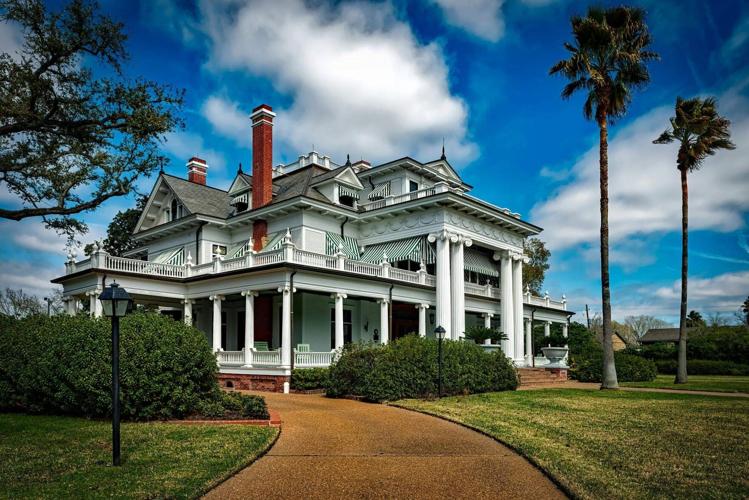
Older homes bring character and history to your daily life. You might find original wood floors or stained glass windows that are hard to find.
You likely have 10 changes to make right away. Picking the right starting point saves money and prevents stress during the construction process.

Focus On Structural Integrity
Checking the bones of the house should be your top priority. You need to look for signs of sagging floors or cracks in the foundation before painting any walls or installing new cabinets.
A guide on home renovations suggests that fixing moisture problems and structural damage comes before any aesthetic work. Ignoring these issues leads to expensive repairs later since things start to shift or rot. You do not want to see your new tile crack as the floor underneath is moving.
Getting the basement dry and the walls stable provides a solid base for everything else you plan to do. You want your new kitchen or bath to stay level and beautiful for years to come. Investing in a dry foundation is the best way to protect your future hard work.
Navigating Older Construction Realities
Living in a vintage home means understanding the construction standards of the past. Many houses in your neighborhood likely share a set of quirks and common failure points. You can learn a lot by talking to neighbors who finished their own projects.
Older properties often come with unique challenges that newer builds simply do not face. If you look into professional roofing services for your property, starting with the highest points of the home is a smart move. A strong top layer is a requirement for any successful renovation project.
You should check the attic for any signs of daylight or water stains on the rafters. Fixing these issues early saves you from the stress of a sudden emergency. High points are the first line of defense against the elements.
Managing Mechanical Systems
Old wiring and pipes can hide behind beautiful plaster walls for decades without showing problems. You might find that the electrical panel cannot handle modern appliances or charging your electric car after you move in. Many older homes still have knob and tube wiring that insurance companies do not like.
Data on renovation costs shows that updating electrical systems averages $8,000 to $15,000 for a standard home. New plumbing can add another $5,000 to $12,000 to your total bill. These costs might seem high, but they prevent major disasters in the future.
- Co
- n lines might have hidden tree root damage.
These systems keep the house running safely and help it operate efficiently every day. Investing here prevents leaks and fires that could destroy your hard work on the cosmetic side. It is much better to fix these systems while the walls are already open.
Protection From The Elements
The exterior shell of the home acts as a shield for your family and your belongings. You should inspect the siding and windows to verify they are still keeping the weather out of your living space. Rotting trim or peeling paint can allow water to seep into the wall cavities.
One remodeling expert mentions that exterior work, like roofing and siding, is often very messy. Doing these projects first reduces the risk of damaging new finishes inside the house. You do not want workers carrying heavy materials through your newly painted hallways.
Wind and rain can quickly ruin new drywall or flooring if the shell is weak. Tightening up the outside makes the interior much easier to maintain and protects your investment.
Improving Interior Efficiency
Comfort is a top concern when you move into a new space for the first time. Drafty rooms make it hard to relax and drive up your monthly utility bills in every season. You might notice that the upstairs is much hotter than the downstairs during the summer months.
One HVAC industry report claims that adding fiberglass insulation to an attic provides a 107% return on investment. This is one of the few projects that actually pays for itself in home value. It is a simple upgrade that makes a massive difference in how the house feels.
Sealing the attic and walls keeps the heat in during winter and the cool air in during summer. Your furnace and air conditioner will not have to work nearly as hard to keep you comfortable.
Understanding Age And Demand
The number of vintage properties on the market continues to grow as the housing stock ages. This means more homeowners are looking for the same types of repairs and specialized parts. You should be prepared for potential delays when ordering custom windows or doors.
Research indicates that nearly 48% of owner-occupied homes in the country were built before 1980. This large number of aging properties keeps the demand for skilled contractors very high throughout the year. You might have to wait a few months for the best professionals to become available.
Planning your projects well in advance is the best way to handle this high demand. You can use the waiting time to refine your design choices and save up more cash for the work. Staying organized helps you avoid the stress of a rushed timeline.
Estimating Your Financial Commitment
Setting a realistic budget is the only way to avoid running out of cash mid-project. Prices for materials and labor vary depending on where you live and what materials you choose. You should always include a 20% cushion for the unexpected things you will find behind old walls.
A national estimate suggests that renovating a house usually costs between $15 and $60 per square foot. High-end projects can easily jump to $150 per square foot or more, depending on the finishes. Numbers can help you decide if you can afford to do the whole house at once.
Knowing these numbers helps you decide which rooms to tackle this year and which to save for later. It keeps your expectations in line with your bank account so you do not overspend. Planning your finances carefully is just as necessary as the actual construction work.
Historical Homes And Higher Expenses
The age of your house has a direct impact on how much you will pay for every single repair. Homes from the early 20th century often require custom parts or specialized labor to maintain their look. You might need a craftsman who knows how to work with lath and plaster walls.
Financial studies show that owners of homes built before 1940 spent 50% more on renovations than owners of newer properties. This often comes from the need for matching historical details or fixing ancient masonry.
Budgeting extra for surprises is a smart strategy for any old homeowner. You never know what you will find when you tear down a wall in a century-old house.

Restoring an older property requires significant time and patience. You get to keep a piece of history and build a space that fits your lifestyle perfectly.
Prioritize the structural items first to keep your family safe. You can enjoy the fun design choices once the big maintenance repairs are finished.
(0) comments
We welcome your comments
Log In
Post a comment as Guest
Keep it Clean. Please avoid obscene, vulgar, lewd, racist or sexually-oriented language.
PLEASE TURN OFF YOUR CAPS LOCK.
Don't Threaten. Threats of harming another person will not be tolerated.
Be Truthful. Don't knowingly lie about anyone or anything.
Be Nice. No racism, sexism or any sort of -ism that is degrading to another person.
Be Proactive. Use the 'Report' link on each comment to let us know of abusive posts.
Share with Us. We'd love to hear eyewitness accounts, the history behind an article.