
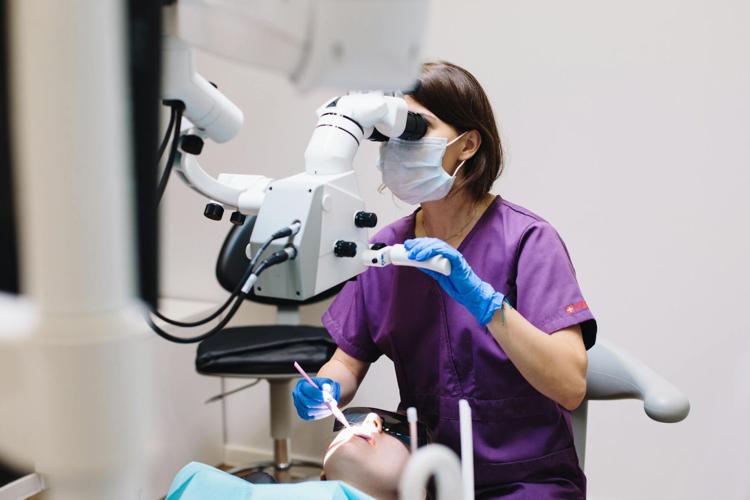

Maintaining good dental health is not just about achieving a dazzling smile; it's also crucial for your overall well-being. Your oral health can impact various aspects of your life, from your ability to eat comfortably to your confidence in social interactions. Healthy teeth and gums are not only aesthetically pleasing but also contribute to your overall health by preventing infections and inflammation that can affect your entire body. In this comprehensive guide, we'll explore seven practical steps you can take to enhance your dental health and ensure that your smile remains radiant and healthy for years to come. These steps are not just recommendations; they are actionable strategies that can be integrated into your daily routine to promote optimal oral hygiene. So let's delve into the world of dental care and discover how you can achieve and maintain a smile that radiates confidence and vitality.

Brushing Techniques and Frequency
Proper brushing techniques and the frequency of brushing are fundamental pillars of effective dental hygiene. Brushing your teeth isn't merely a task to check off your daily to-do list; it's a ritual that deserves attention and care. The American Dental Association recommends brushing your teeth at least twice a day, ideally after meals, using fluoride toothpaste. However, it's not just about how often you brush but also how well you do it. When it comes to technique, gentle, circular motions are key. Rather than scrubbing vigorously, which can damage enamel and irritate gums, aim for controlled, circular movements that effectively remove plaque and debris without causing harm. Make sure to cover all surfaces of your teeth, including the fronts, backs, and chewing surfaces. Pay particular attention to the gumline, where plaque tends to accumulate and can lead to gum disease if not adequately addressed.
In addition to technique, the type of toothbrush you use matters. Opt for a soft-bristled brush that can effectively clean your teeth without causing abrasion. Hard-bristled brushes may seem like they offer a more thorough clean, but they can actually damage enamel and contribute to gum recession over time. Consider investing in an electric toothbrush, which can provide more consistent and effective brushing than manual brushing alone.
Flossing and Interdental Cleaning
Flossing is another crucial step in maintaining optimal dental health. It helps remove plaque and food particles from between teeth and along the gumline, where your toothbrush may not reach. Aim to floss at least once a day, preferably before bedtime. Use a gentle back-and-forth motion to guide the floss between each tooth, being careful not to snap it against the gums, which could irritate. Alternatively, you can use interdental cleaners like dental picks or water flossers for those who find traditional flossing challenging or uncomfortable. Incorporating this step into your daily routine can significantly reduce your risk of developing cavities and gum disease.
Healthy Dietary Habits
Your diet plays a significant role in your dental health. Avoiding sugary and acidic foods and beverages can help prevent tooth decay and enamel erosion. Instead, opt for a balanced diet rich in fruits, vegetables, lean proteins, and dairy products. These foods provide essential nutrients like calcium, phosphorus, and vitamin C, which promote strong teeth and gums. Limit your intake of sugary snacks and drinks, and if you indulge, rinse your mouth with water afterward to help wash away lingering sugars. Remember, what you eat not only affects your waistline but also your dental health.
Regular Dental Check-ups and Cleanings
Routine visits to the dentist are vital for maintaining optimal dental health. Schedule regular check-ups at least twice a year, or as recommended by your dentist, to detect any issues early and prevent them from worsening. But first, make sure to find a reputable dentist such as those from Savage Smile for example. During dentist visits, your dentist will perform a thorough examination of your teeth, gums, and mouth, looking for signs of cavities, gum disease, or other oral health problems. They may also perform professional cleanings to remove plaque and tartar buildup, which cannot be removed by regular brushing and flossing alone. Remember, prevention is key when it comes to dental health, so don't skip your dental appointments.
Proper Toothbrush and Equipment Care
Taking care of your toothbrush and dental equipment is essential for effective oral hygiene. After each use, rinse your toothbrush thoroughly with water and allow it to air dry in an upright position to prevent bacteria from growing. Store your toothbrush in an open area away from other brushes to avoid cross-contamination. Avoid sharing toothbrushes with others, as it can spread germs and increase your risk of infections. Additionally, clean your dental appliances, such as retainers or night guards, as instructed by your dentist to prevent bacterial buildup and prolong their lifespan.
Avoiding Harmful Habits
Certain habits can harm your dental health and should be avoided. These include smoking, chewing tobacco, nail-biting, and using your teeth as tools to open bottles or packages. Smoking and chewing tobacco not only stains your teeth but also increases your risk of gum disease, oral cancer, and other serious health conditions. Nail-biting can chip or crack your teeth while using your teeth as tools can cause them to become damaged or fractured. Break these habits to protect your dental health and overall well-being.
Addressing Dental Concerns Promptly
Lastly, it's essential to address any dental concerns promptly to prevent them from worsening. If you experience tooth pain, sensitivity, swelling, or bleeding gums, don't ignore these signs. Schedule an appointment with your dentist as soon as possible to receive proper diagnosis and treatment. Ignoring dental issues can lead to more significant problems down the road, requiring more invasive and costly interventions. Remember, early intervention is key to maintaining a healthy smile.

In conclusion, improving your dental health requires a combination of proper oral hygiene practices, healthy dietary habits, regular dental check-ups, and lifestyle changes. By following the seven steps outlined in this guide, you can take control of your dental health and enjoy a beautiful, radiant smile for years to come. Remember, your smile is your best accessory, so invest in it wisely.


(0) comments
We welcome your comments
Log In
Post a comment as Guest
Keep it Clean. Please avoid obscene, vulgar, lewd, racist or sexually-oriented language.
PLEASE TURN OFF YOUR CAPS LOCK.
Don't Threaten. Threats of harming another person will not be tolerated.
Be Truthful. Don't knowingly lie about anyone or anything.
Be Nice. No racism, sexism or any sort of -ism that is degrading to another person.
Be Proactive. Use the 'Report' link on each comment to let us know of abusive posts.
Share with Us. We'd love to hear eyewitness accounts, the history behind an article.