
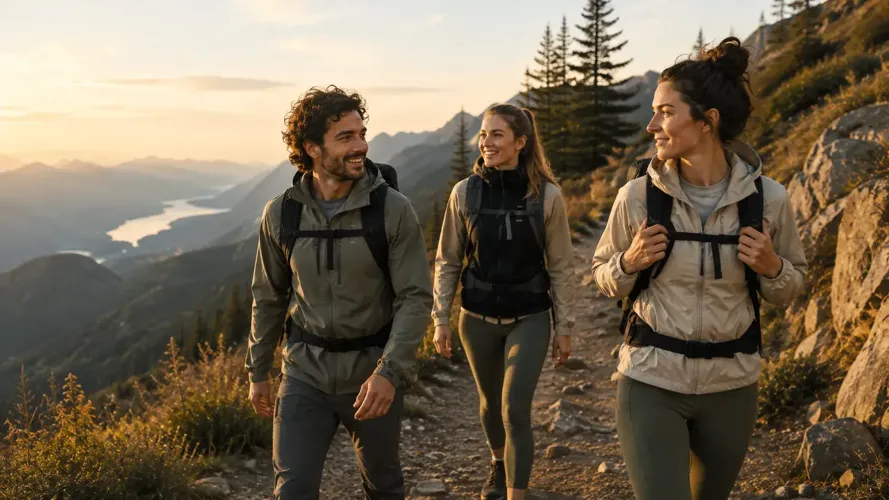
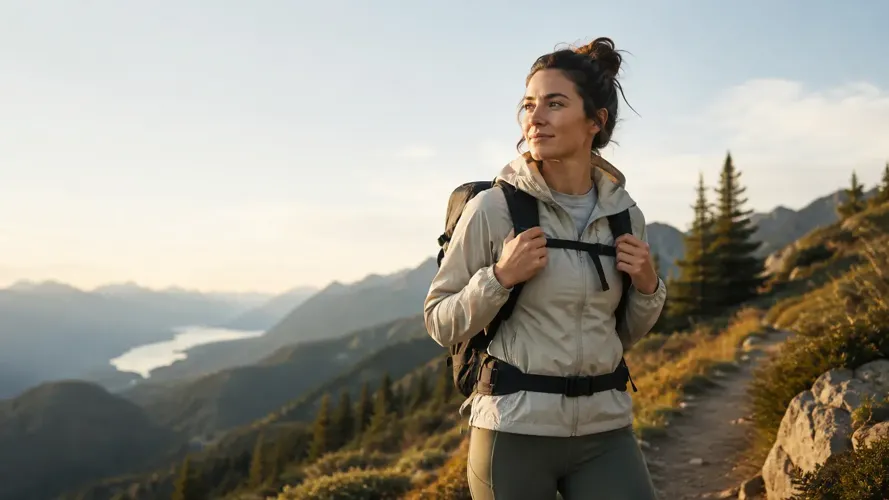
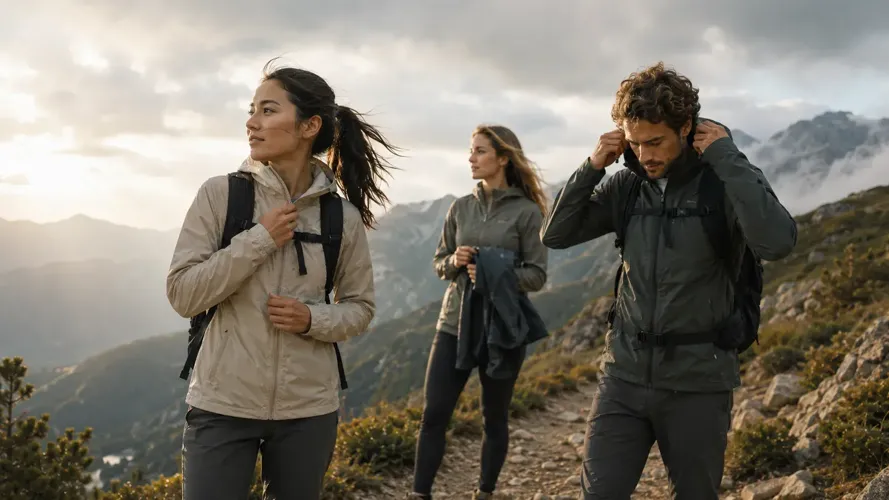

There is a point on almost every hike when something you packed suddenly seems brilliant—or something you left at home seems painfully obvious.
Maybe the trail is wetter than expected. Maybe the clouds disappear and the sun becomes relentless. Maybe the “short afternoon hike” starts looking considerably less short as your phone battery drops into the red.
Good hiking gear is not about carrying everything you own into the wilderness. In fact, the opposite is usually true. The smartest pack is built around a relatively small group of things that solve real problems: supportive footwear, water, navigation, sun protection, an extra layer, food, first aid and enough backup power to keep essential electronics functioning.
The National Park Service hiking safety guidelines recommend carrying the Ten Essentials, including navigation, sun protection, insulation, illumination, first aid, fire, repair supplies, food, hydration and emergency shelter. Beyond those basics, a few thoughtfully chosen upgrades can make the miles considerably more comfortable.
Start With the Shoes That Carry the Trip
There are plenty of places to compromise on a hike. Footwear is rarely one of them.
A beautiful trail loses some of its charm once every downhill step reminds you about the blister forming on your heel. Choose footwear according to the terrain, distance and conditions rather than simply reaching for whichever sneakers happen to be near the door.
The Orthofeet Dakota Waterproof hiking boot is particularly interesting for hikers who prioritize support and comfort. Made with waterproof leather and a moisture-venting membrane, the Dakota also incorporates a roomy toe box, extra depth, cushioning and a lugged outsole designed for traction over uneven ground.
That combination makes sense for longer walking days, especially for people whose feet become less forgiving after several miles. At 14.7 ounces for a women’s size 7 medium, it is a proper hiking boot rather than a barely-there trail sneaker, so this is the pair we would reach for when support, weather protection and uneven terrain matter more than shaving every possible ounce from the outfit.
Whatever you wear, break hiking shoes in before taking them on an ambitious trail. A mountain is a terrible place to discover that your new boots and your heels have irreconcilable differences.
Treat Sun Protection as Equipment
Sunscreen is not a beach-only product, and sunglasses are not just there to improve the summit photo.
Elevation, open terrain and hours of exposure can make sun protection one of the most important parts of a hiking kit. Pack sunscreen, sunglasses and a hat, and remember that protection needs to last longer than the first twenty minutes of the day.
For the skin, LĀ SOL CLEAR Mineral Zinc Sunscreen SPF 30 uses 15.7 percent zinc oxide in a mineral formula that is lightweight, fragrance-free and designed to apply without the pronounced white cast traditionally associated with many zinc sunscreens. It also offers 80 minutes of water resistance, making it a practical addition to an outdoor bag.
A sunscreen people are comfortable reapplying has an obvious advantage on the trail because the bottle sitting untouched at the bottom of a backpack is accomplishing remarkably little.
FINE recently covered additional ways to protect your skin during summer adventures, including hiking, boating and other long days outside. The basic rule carries over beautifully to the trail: apply before exposure and bring enough to reapply.
Sunglasses Can Be Functional and Very Good Looking
Hiking gear has acquired a reputation for being relentlessly practical, as though stepping onto a trail requires surrendering all interest in design.
We reject the premise.
The WESTY KING First Edition sunglasses are unapologetically luxurious, but there is real function behind the good looks. The frames are handcrafted in Japan from lightweight titanium alloy, while the polarized lenses incorporate UV-blocking technology to help reduce glare and protect the eyes. WESTY limits the edition to 600 pieces.
At $595, these are clearly not the sunglasses we would recommend casually dropping beside a river and hoping to find again later. For someone who already appreciates finely made eyewear, however, they make the point nicely that outdoor equipment does not have to look like outdoor equipment.
Use the protective case when they are in your pack. That is not being precious. That is simply respecting a $595 pair of sunglasses.
Never Let Your Phone Be the Only Plan

Phones have transformed hiking. Offline maps, GPS, weather information, cameras and emergency communication can all travel in one small device.
That convenience creates one obvious weakness: batteries die.
The Goal Zero Venture 75 Power Bank is built with outdoor use in mind. It has a 19,200mAh capacity, a 60W USB-C Power Delivery port, dual USB-A outputs and an IP67 rating for protection against dust and water. Goal Zero also builds a 50-lumen emergency light into the unit.
For a short neighborhood trail, that may be more power than necessary. For a long hiking day, road trip, remote excursion or multi-day adventure where a phone is handling navigation and communication, backup power begins to feel less like another gadget and more like insurance.
Still, electronics should supplement basic preparation rather than replace it. Download maps before leaving, know the route and tell someone where you are going and when you expect to return.
Water and Food Deserve More Space Than Gadgets
There is always another clever piece of outdoor equipment begging for room in your backpack. Water gets priority.
Carry enough for the conditions, distance and intensity of the hike, and increase that amount considerably when temperatures climb. Do not assume that because a trail appears near a stream on a map, you will automatically have safe drinking water waiting for you.
Food should be similarly uncomplicated. Pack something portable with enough substance to keep energy up, then include a little more than you think you will need in case the hike takes longer than planned.
If you are exploring locally, FINE’s guide to Poway includes Blue Sky Ecological Reserve, Lake Poway and access toward Mount Woodson—excellent reminders that a legitimate trail day can begin surprisingly close to home.
Pack for the Weather You Did Not Expect

The weather forecast is useful. It is not a legally binding agreement.
An extra lightweight layer, compact rain protection and something warmer than current conditions appear to require can become extremely valuable once the sun goes down, the wind arrives or elevation changes the temperature.
That does not mean turning a day hike into an expedition. It means carrying enough insulation to remain comfortable if the trip lasts longer than planned.
The same thinking applies to a small first-aid kit, flashlight or headlamp, whistle and emergency shelter. Most will spend their lives quietly riding around in the backpack. That is exactly what you want.
The Smartest Hiking Gear Is the Gear You Will Actually Carry
The goal is not to leave the trailhead with the largest backpack.
Good hiking preparation is selective. Wear footwear appropriate for the terrain. Carry water and food. Protect your skin and eyes. Know where you are going. Bring a layer. Keep basic emergency supplies nearby and give important electronics enough power to make it home.
Then stop adding things.
Because once the essentials are covered, the entire point of hiking is to spend less time thinking about what you brought and more time paying attention to where you are.

(0) comments
We welcome your comments
Log In
Post a comment as Guest
Keep it Clean. Please avoid obscene, vulgar, lewd, racist or sexually-oriented language.
PLEASE TURN OFF YOUR CAPS LOCK.
Don't Threaten. Threats of harming another person will not be tolerated.
Be Truthful. Don't knowingly lie about anyone or anything.
Be Nice. No racism, sexism or any sort of -ism that is degrading to another person.
Be Proactive. Use the 'Report' link on each comment to let us know of abusive posts.
Share with Us. We'd love to hear eyewitness accounts, the history behind an article.