
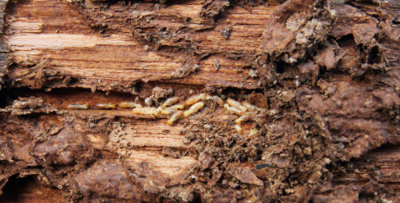

Termites may be small, but the damage they cause can be serious. These pests feed on wood and other cellulose-based materials, which means they can quietly weaken flooring, walls, furniture, and structural supports. Houston’s warm, humid climate creates favorable conditions for termites, so homeowners need to act quickly when signs of activity appear.
Look for Signs of a Termite Infestation
Termites often remain hidden inside walls or beneath floors, making them difficult to detect. One common warning sign is the appearance of mud tubes along foundations, walls, or crawl spaces. Subterranean termites build these narrow tunnels to travel between their colony and a food source.
You may also notice discarded wings near doors, windows, or light fixtures. These wings are left behind by termite swarmers after they have found a place to establish a new colony. Other signs include hollow-sounding wood, bubbling paint, sagging floors, and small piles of termite droppings.
Avoid Disturbing the Colony
Finding termites can be alarming, but avoid immediately spraying household insecticide or tearing apart affected wood. Disturbing the colony may cause the termites to move deeper into the property, making them more difficult to locate and treat.
Instead, note where you found the activity and contact a pest control professional. A trained technician can inspect the home, identify the termite species, determine the extent of the infestation, and recommend an appropriate treatment plan.
Arrange Professional Termite Treatment
Home remedies rarely reach the entire colony. Termite infestations usually require professional treatment methods such as liquid barriers, baiting systems, spot treatments, or a combination of approaches.
A provider offering Houston termite control can assess the conditions around your property and choose a treatment based on the type and location of the infestation. Professional treatment is especially important because visible termite activity may represent only a small part of a much larger colony.
Reduce Moisture Around the Home
Termites are attracted to moisture, so correcting water problems can make your property less inviting. Repair leaking pipes, dripping outdoor faucets, damaged gutters, and poorly draining air-conditioning units.
Make sure rainwater flows away from the foundation. Clear blocked gutters and consider improving drainage in areas where water regularly collects. Crawl spaces, bathrooms, kitchens, and laundry rooms should also be checked for hidden leaks or excess humidity.
Remove Easy Sources of Food
Keep firewood, cardboard boxes, old lumber, and tree stumps away from the house. Firewood should be stored off the ground and several feet from exterior walls.
Avoid allowing wooden siding, fence posts, or landscaping materials to make direct contact with soil. Trimming shrubs and plants away from the property can also improve airflow and make it easier to spot mud tubes or other termite activity.
Schedule Regular Inspections
Even after treatment, ongoing inspections are important. Termites can return, and early detection usually makes the problem easier to manage. An annual professional inspection can identify new activity, moisture issues, or structural conditions that increase the risk of infestation.
Getting rid of termites requires more than treating the areas you can see. With professional support, moisture control, and regular inspections, Houston homeowners can protect their properties from costly and potentially extensive damage.


(0) comments
We welcome your comments
Log In
Post a comment as Guest
Keep it Clean. Please avoid obscene, vulgar, lewd, racist or sexually-oriented language.
PLEASE TURN OFF YOUR CAPS LOCK.
Don't Threaten. Threats of harming another person will not be tolerated.
Be Truthful. Don't knowingly lie about anyone or anything.
Be Nice. No racism, sexism or any sort of -ism that is degrading to another person.
Be Proactive. Use the 'Report' link on each comment to let us know of abusive posts.
Share with Us. We'd love to hear eyewitness accounts, the history behind an article.