
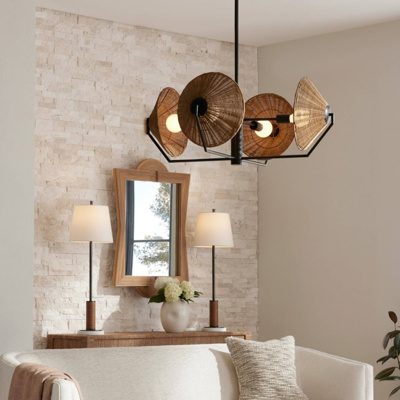

Natural materials have long brought warmth and character into homes, but their role in polished interiors continues to expand. Designers and homeowners are using wood, stone, woven fibers, textured fabrics, and organic forms in spaces that still feel clean and carefully considered. Even lighting can contribute to this material story. An Arteriors organic chandelier can introduce natural texture above eye level, showing how an element with a practical purpose can also add depth and visual interest to a room.
Texture Makes Simple Rooms Feel Richer
A refined room does not need many decorative elements to feel complete. Texture can create depth even when the color palette remains quiet. The grain of wood, the irregular surface of stone, or the weave of a natural fiber gives the eye something to explore without adding visual clutter.
This approach works especially well in interiors built around neutral colors. Cream, sand, brown, gray, and other muted shades can feel layered when several surfaces interact with light in different ways. Smooth stone beside woven fabric creates subtle contrast. Wood brings variation through its grain, while textured upholstery can soften harder architectural features. The room gains character through materials rather than decoration alone.
Natural Materials Can Soften Clean Architecture
Contemporary interiors often feature straight lines, large windows, smooth walls, and simple architectural forms. These elements can create a calm foundation, but too many hard surfaces may leave a room feeling less inviting than intended. Natural texture can soften that effect.
A wood table, woven chair, textured rug, or sculptural light fixture can break up smooth surfaces while keeping the room visually controlled. Curves and irregular forms can play a similar role. They introduce shapes that feel less rigid and help balance strong architectural lines. The result can remain polished while gaining a warmer, more relaxed character.
Lighting Can Bring Texture Into a New Plane
Texture usually enters a room through furniture, rugs, fabrics, and wall treatments. Lighting creates an opportunity to carry that idea upward. A fixture made with tactile or nature-inspired materials can draw attention to an area of the room that might otherwise remain visually quiet.
This can be especially effective above a dining table, in an entry, or within a living space with a high ceiling. The fixture becomes part of the room's material palette while also creating a focal point. When light passes through or across a textured surface, shadows and highlights can make the material feel even more expressive after dark.
Restraint Keeps Natural Elements Refined
A room does not need natural materials on every surface to feel warm and grounded. In many cases, a few well-placed elements have greater impact. Too many similar textures can make the design feel themed rather than collected.
Choose areas where natural materials can contribute something useful. A stone table might add weight to a room with soft upholstery. A woven light fixture can introduce texture where the furniture is simple. Wood can bring warmth to a space dominated by glass or metal. Leaving some surfaces smooth gives textured pieces room to stand out and helps maintain a sense of balance.
Contrast Brings Materials to Life
Natural texture becomes easier to notice when it sits beside a different type of surface. Rough and smooth, matte and reflective, soft and solid materials can make each other more interesting.
Consider a textured wood cabinet against a clean wall or woven seating beside a polished table. A natural fiber fixture can feel more sculptural when surrounded by simple architecture. These combinations create visual depth without relying on bold patterns or strong colors. The contrast comes from the character of the materials themselves.
Organic Forms Add Another Layer
Natural influence does not have to come from material alone. Shape can also make a room feel more organic. Rounded furniture, irregular edges, curved lighting, and sculptural objects can bring softer movement into spaces built around straight lines.
These forms work best when they have room around them. A distinctive chair or fixture may lose its impact if several equally expressive pieces compete nearby. Giving an organic form some open space allows its silhouette to become part of the design. This sense of restraint can make even unusual shapes feel sophisticated.
Craft and Variation Create Character
One appeal of natural materials is that they often show variation. Grain changes across wood, stone carries its own markings, and woven materials reveal subtle differences in texture. These qualities can prevent an interior from feeling too uniform.
Small variations also help a room develop a sense of individuality. Two pieces made from similar natural materials may still have their own character. This makes them useful in interiors that aim to feel collected over time. The goal does not need to be perfect consistency. A few related materials can create harmony while their differences keep the space interesting.
Natural Texture Works Beyond One Style
Organic materials are often associated with rustic or casual homes, but they can work across a much wider range of interiors. A sculptural wood element can suit a contemporary room, while woven texture can soften a formal space. Stone, natural fibers, and tactile fabrics can also sit comfortably beside polished metal, glass, and refined upholstery.
The surrounding design determines the overall effect. Clean lines and open space can make natural texture feel modern. Traditional furniture can give the same material a more familiar character. This flexibility is one reason natural elements can remain useful even as tastes change.
A More Layered Kind of Refinement
Refined interiors do not have to depend on perfect surfaces or elaborate decoration. Materials with visible grain, texture, and variation can make a space feel sophisticated while preserving a sense of warmth and ease.
The most successful rooms tend to use these elements with purpose. Natural materials can soften architecture, add depth to neutral palettes, create focal points, and introduce shapes that feel less rigid. When wood, stone, woven fibers, textiles, and organic forms are given enough space to express their character, they can make a polished interior feel richer, more personal, and more connected to the natural world.

(0) comments
We welcome your comments
Log In
Post a comment as Guest
Keep it Clean. Please avoid obscene, vulgar, lewd, racist or sexually-oriented language.
PLEASE TURN OFF YOUR CAPS LOCK.
Don't Threaten. Threats of harming another person will not be tolerated.
Be Truthful. Don't knowingly lie about anyone or anything.
Be Nice. No racism, sexism or any sort of -ism that is degrading to another person.
Be Proactive. Use the 'Report' link on each comment to let us know of abusive posts.
Share with Us. We'd love to hear eyewitness accounts, the history behind an article.