
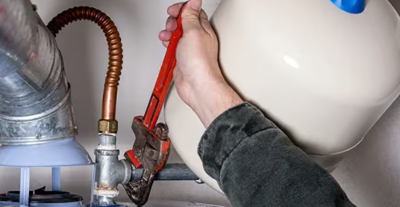

Hot water supports bathing, cooking, cleaning, and basic comfort across the home. When a heater starts failing, the problem can shift from inconvenience to water damage in very little time. Early clues usually appear before total shutdown, yet many households dismiss them as minor quirks. Changes in color, noise, temperature, or operating cost often signal mechanical stress. Recognizing those warnings early helps protect plumbing, flooring, and daily routines.
Cold Water First
Intermittent hot water often reflects thermostat drift, mineral scale, or a weakening element. In communities with hard water, that pattern can intensify quickly and disrupt bathing, dishwashing, and laundry. Households comparing symptoms often search for water heater repair Thousand Oaks, CA after repeated cold bursts, slow recovery, or showers that turn lukewarm before normal use is finished.
Rust In The Water
Brown, orange, or yellow water from the hot tap can point to tank corrosion or a worn anode rod. If the cold side runs clear, the source is more likely inside the heater. Metal decay rarely stays stable for long. As internal surfaces weaken, leak risk rises, sediment increases, and water quality keeps declining with each heating cycle.
Popping Or Rumbling
Sharp popping or low rumbling usually means hardened mineral sediment has settled along the tank floor. Heat pushes through that layer and traps moisture, which creates the noise. Sound alone may seem harmless, yet it often marks excess strain inside the unit. Over time, buildup reduces efficiency, overheats components, and shortens service life through repeated thermal stress.
Water Around The Base
Moisture near the heater needs to be addressed immediately, even if the puddle looks small. A loose valve or fitting may drip slowly, while a cracked tank can release water without warning. Damp flooring, stained drywall, and warped baseboards can follow quickly. Once the area becomes wet again after cleanup, the source should be treated as urgent rather than cosmetic.
Uneven Temperatures
Water that shifts from hot to cool during one shower often suggests a failing thermostat, burner trouble, or internal scale. Some systems cycle off briefly when overheated parts reach their limit. That uneven pattern usually worsens with time. If household members cannot count on a stable temperature, the heater is no longer delivering safe, consistent performance for routine use.
Hot Water Runs Out Fast
A tank that empties sooner than usual may have lost usable volume because sediment is occupying space inside it. Weak heating parts can also leave stored water below the set temperature. Larger household demand can play a role, but sudden decline matters more. Abrupt loss of supply usually points to mechanical wear rather than a simple change in habits.
Utility Bills Climb
A rising gas or electric bill can expose heater trouble before visible damage appears. The U.S. Department of Energy states that water heating is typically the second largest energy expense in a home. Even modest efficiency loss can affect monthly costs. Sediment, worn burners, and failing elements all extend run time, which raises consumption without delivering better performance.
Age Raises The Risk
Traditional storage water heaters often become less dependable after eight to twelve years of service. With age, corrosion risk increases, valves wear down, and heating efficiency declines. Years alone do not confirm failure, yet they change how symptoms should be read. A ten-year-old unit showing rust, noise, or leakage deserves quicker attention than a newer system with one isolated issue.
Gas Smell Or Soot
A gas odor near the heater calls for immediate caution. Soot marks, scorch patterns, or an unstable flame can indicate combustion trouble or poor venting. Those conditions may affect indoor air quality as well as appliance safety. Any warning tied to fuel or exhaust should be treated as a same-day concern, with the heater left untouched until qualified service arrives.
Most failing water heaters give clear warning signs before complete breakdown occurs. Discolored hot water, unusual sounds, unstable temperature, pooling moisture, and rising utility costs all suggest a unit under stress. Older systems deserve closer attention because small defects can escalate faster with age. Prompt repair can reduce property damage, restore dependable hot water, and limit wasted energy. When several symptoms appear together, urgent professional evaluation is the safest response.

(0) comments
We welcome your comments
Log In
Post a comment as Guest
Keep it Clean. Please avoid obscene, vulgar, lewd, racist or sexually-oriented language.
PLEASE TURN OFF YOUR CAPS LOCK.
Don't Threaten. Threats of harming another person will not be tolerated.
Be Truthful. Don't knowingly lie about anyone or anything.
Be Nice. No racism, sexism or any sort of -ism that is degrading to another person.
Be Proactive. Use the 'Report' link on each comment to let us know of abusive posts.
Share with Us. We'd love to hear eyewitness accounts, the history behind an article.