
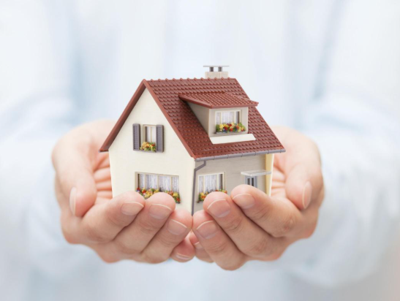
When your home contains all that you hold dear, improving its safety is a must. Yet there are so many things, from intruders to earthquakes, that can endanger the safety of your home and your loved ones who live there. That is precisely why we have come up with this guide with suggestions on some of the most effective ways you can make your home safer. Read on to find out what they are.
Add a security alarm
One of the most effective ways you can make your home a safer place for you and your family to live is to add a security system. This usually means installing an alarm that is linked up to various sensors around your house and property. The idea is that you arm the sensors either when you are out of the house or asleep, and they will let you know if anyone is prowling around or attempting to break in.
Sensor placement is critical here, so any entryways, including doors and windows, should have sensors. Some people also like to install motion detection alarms in the interiors of their homes. This way, they can pick up on any movement that should not be there.
Some systems even come with the addition of releasing a smoke barrier when they detect unauthorized entry. This serves the purpose of confusing any intruders and making it harder for them to achieve their aims.
Not only do security systems help alert you to any intruders, but they also put people off as well. Indeed, any measure such as this that makes it harder to break it and more likely that they will get caught can make your home safer.
Add CCTV cameras
Another smart move to make your home safe is to add CCTV cameras. Again, these are a great deterrent for anyone who wants to gain unauthorized entry to your property. They can also stop people from surveilling you, as well, because they themselves will be recorded doing so.
There is a range of options for CCTV cameras for your property to choose from. One of the most popular is a doorbell camera. These devices video anyone who comes to your front door, while also providing a way to interact with them directly. The great thing about doorbell cams is that they can make it seem as if someone is home even when they are not. Adding an extra layer of security.
Add door and window barriers
Alarms and CCTV are all well and good when it comes to security and safety, but theft won't be much use in the wake of a flood. Instead, to make your home a safe place for you and your family to live, you will need to make sure you have the necessary precautions to slow the progress of floodwater.
Before we go into what these are, it's important to note that their purpose is to slow the flood enough to allow you to escape safely. Their second purpose is to protect your property and possessions as much as possible. However, they are not designed to stop flooding completely and therefore should not be released for these purposes.
The flood prevention methods that are likely to be most useful for your home are door and window barriers. These can be wooden or metal shutters that are designed to plug up any gaps that could let water into your property at a low level. Some people even use density-packed sandbags for this purpose.
Retrofit for earthquake protection
Another natural disaster that you will want to protect your home and family against is earthquakes. Indeed, many people live in earthquake zones, which means there is a high risk that a quake will hit their homes.
The main risk with earthquakes is that the structure of your home will collapse. This not only leaves you with nowhere to live, but also poses a massive risk for anyone inside when this happens.
Of course, there is advice that you can use, such as standing in doorways when an earthquake hits. This is because doorways tend to be the most structurally robust part of a home, making them least likely to collapse.
However, for those in an active earthquake zone, using info like these earthquake vs your house guides can be inextricably helpful. Then you will have all the information you need, including suggestions on getting your home retrofitted for earthquake protection.
Abide by fire precautions
Fires are one of the most deadly disasters that can befall your home. They kill both with smoke and heat, and should be avoided at all costs. That is where fire precaution strategies come in. Indeed, these can be divided into 3 groups: prevention, early warning, and escape from a fire.
Prevention of fire is all about having things in places that minimize the chances that a fire will occur and take hold of your property. Prevention includes practising good kitchen safety, such as avoiding deep fat fryers, always staying present when cooking in the hive, and turning the handles of any pans inwards. It also means not smoking in bed, or leaving candles on when you go to bed or leave the house. Outside, you can improve fire precautions by trimming shrubs and bushes directly around your house, leaving about a meter. This will help to prevent fire from spreading from other properties, or in the case of wildfires.
Early warning is all about making sure you have a system in place that will warn you in the case of a fire. This means installing fire and heat alarms. And making sure you regularly test them and replace the batteries. It's also crucial that you install a CO2 detector, as this, in conjunction with the rest of your alarms, will let you know of any fires.
Lastly, escape planning is a vital aspect of fire safety. This means that in the case of a fire, you know exactly how to get you and your family out of the house safely. The best way to do this is to plan and practice your route ahead of time. You should also make sure that this route stays clear of clutter, and any keys or access you need to use the route are in easy reach.


(0) comments
We welcome your comments
Log In
Post a comment as Guest
Keep it Clean. Please avoid obscene, vulgar, lewd, racist or sexually-oriented language.
PLEASE TURN OFF YOUR CAPS LOCK.
Don't Threaten. Threats of harming another person will not be tolerated.
Be Truthful. Don't knowingly lie about anyone or anything.
Be Nice. No racism, sexism or any sort of -ism that is degrading to another person.
Be Proactive. Use the 'Report' link on each comment to let us know of abusive posts.
Share with Us. We'd love to hear eyewitness accounts, the history behind an article.