
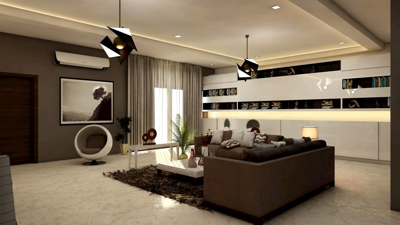

A beautiful home is great.
A practical home is even better.
Thechallenge is finding the balance between style and functionality. Many people focus heavily on aesthetics, choosing trendy furniture and decorative accessories, only to discover their space doesn't actually work for everyday life.
The most successful living spaces combine comfort, practicality, and personality. They look good, but they also make daily routines easier and more enjoyable.
The good news?
You don't need a complete renovation to create a home that feels both functional and stylish.
Start with a Clear Purpose
Before buying furniture or choosing paint colors, think about how the space will actually be used.
A living room might need to accommodate family gatherings, movie nights, and occasional work sessions. A spare bedroom may double as a home office. Even a dining area can serve multiple purposes throughout the day.
Understanding how you use a room helps guide every design decision that follows.
Function should always come first.
Declutter Before Decorating
One of the simplest ways to improve any room is to remove unnecessary items.
Clutter can make even a large space feel cramped and disorganized. By keeping only the items you use, need, or genuinely enjoy, you create a cleaner and more inviting environment.
Storage solutions can also help maintain a tidy appearance while keeping essentials within easy reach.
Sometimes the best design upgrade isn't adding something new.
It's removing what isn't needed.
Choose Furniture That Works Hard
In modern homes, every piece of furniture should earn its place.
Look for items that provide both style and practicality. Storage ottomans, extendable dining tables, shelving units, and multifunctional furniture can help maximize available space.
This is especially important in smaller homes or apartments where flexibility matters.
A well-chosen piece can improve both the appearance and functionality of a room.
Focus on Natural Light
Natural light can completely transform a space.
Bright rooms often feel larger, cleaner, and more welcoming. Whenever possible, avoid blocking windows with oversized furniture or heavy curtains.
Mirrors can also help reflect light and create the illusion of additional space.
A room filled with natural light rarely goes out of style.
Create a Consistent Design Theme
A cohesive design helps a home feel organized and intentional.
That doesn't mean every room needs to look identical. Instead, choose a consistent color palette, materials, or design style that flows naturally throughout the home.
Consistency creates visual harmony and makes spaces feel more connected.
The goal isn't perfection.
It's balance.
Prioritize Comfort
Stylish spaces should still be comfortable.
A beautiful chair that nobody wants to sit in isn't doing its job.
Soft furnishings, quality seating, comfortable layouts, and practical room arrangements all contribute to a space that people genuinely enjoy spending time in.
Good design should support how people live.
Not just how a room looks in photographs.
Add Personal Touches
The most memorable homes reflect the people who live in them.
Artwork, books, travel souvenirs, family photographs, and meaningful decorative items can add character and warmth.
These details help transform a house into a home.
Trends come and go.
Personality never goes out of style.
Design for Modern Living
Today's homes often serve multiple purposes.
Many people work remotely, run businesses from home, or need flexible spaces that adapt throughout the day. As a result, thoughtful workspace design has become increasingly important.
Creating productive environments isn't limited to residential settings. Professional workspace providers such as omniOffice understand how layout, organization, and functionality can influence productivity and comfort. The same principles can be applied when designing home offices and multi-purpose living spaces.
Good design supports both work and relaxation.
Don't Forget the Small Details
Small design choices often have a surprisingly large impact.
Updated lighting fixtures, new cushions, indoor plants, fresh paint, or carefully selected accessories can refresh a room without requiring a major investment.
You don't always need dramatic changes.
Small improvements made thoughtfully can completely transform how a space feels.
Creating a functional and stylish living space isn't about following every trend or spending a fortune.
It's about designing a home that works for your lifestyle while reflecting your personality.
By focusing on practicality, comfort, organization, and thoughtful design choices, you can create spaces that not only look beautiful but also make everyday life easier.
Because the best-designed homes aren't just impressive to look at.
They're enjoyable to live in.


(0) comments
We welcome your comments
Log In
Post a comment as Guest
Keep it Clean. Please avoid obscene, vulgar, lewd, racist or sexually-oriented language.
PLEASE TURN OFF YOUR CAPS LOCK.
Don't Threaten. Threats of harming another person will not be tolerated.
Be Truthful. Don't knowingly lie about anyone or anything.
Be Nice. No racism, sexism or any sort of -ism that is degrading to another person.
Be Proactive. Use the 'Report' link on each comment to let us know of abusive posts.
Share with Us. We'd love to hear eyewitness accounts, the history behind an article.