
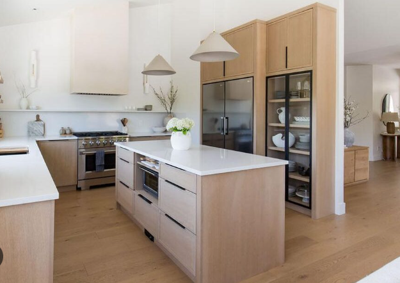

Choosing between aluminum and wood cabinet door frames isn't just about style. It shapes how well your cabinets withstand years of regular use, dictates the maintenance you'll shoulder, and determines whether the end result aligns with your design goals. If you've ever stood in a showroom comparing shiny metal profiles against warm, painted wood and felt stuck, you're definitely not alone. We'll walk through both materials, durability, moisture resistance, cost, and aesthetics, so you can decide with confidence.
Durability and Long-Term Performance
Your cabinet frame's material absorbs daily wear differently. If youorder aluminum cabinet door frames here, you will get something that won't warp, crack, or rot; that's a real edge in moisture-heavy spaces like kitchens and bathrooms. Aluminum resists the gradual structural breakdown that plagued wood when temperature and humidity shift.
How Wood Frames Hold Up Over Time
Wood's been the go-to for cabinet framing forever, and there's a reason why. Solid hardwoods, oak, maple, cherry, are stiff, easy to work with, and take sanding, staining, and paint like a champ. Here's the thing: wood moves. Seasonal humidity swings cause it to expand and contract, which loosens joints, makes doors stick, and cracks finishes over time. In a dry climate with steady indoor conditions, a well-built wood frame can run 20 to 30 years before major repairs crop up. But in a coastal home, a steam-heavy kitchen, or anywhere humidity swings are wide, wood frames often buckle within five to eight years. You'll slow it down with sealing and painting; you won't stop it. The reality is that wood demands refinishing and re-sealing every few years, and that adds genuine time and expense across the cabinet's lifespan.
Aluminum's Resistance to Wear and Moisture
Aluminum absorbs zero moisture. It won't swell, splinter, delaminate, or develop the soft spots wood gets when it's parked near a leaky sink or a bathroom without proper ventilation. Anodized aluminum finishes (usually 10 to 14 microns thick on quality profiles) also scratch less easily than most painted wood surfaces. That counts when pots, pans, and cleaning supplies bang against your cabinets daily. One catch: if aluminum gets visibly dented or gouged, repairs are trickier, since you can't sand and refinish like you do with wood. But when it comes to the slow, invisible damage humidity and temperature inflict, aluminum beats wood in almost every scenario.
Aesthetics and Design Flexibility
Frame material sets the entire visual tone of your cabinet; this choice hinges as much on your room's style as on practical factors.
Wood Frames and Visual Warmth
Wood delivers warmth and tactile depth aluminum can't touch. The grain in oak or walnut feels organic and layered; it pairs naturally with traditional, transitional, and Shaker kitchens. Paint and stain open more doors. A white-painted maple frame works in a farmhouse kitchen and a contemporary one just the same; a dark-stained walnut reads as upscale and serious in modern settings. The drawback is consistency. Two frames from the same board can look quite different once stained, because natural grain variation is real. If you're after uniform, precise visuals, wood becomes unpredictable. It also tends to feel off in ultra-modern or minimalist interiors; the organic texture fights the clean geometry of minimalist design.
Aluminum Frames in Modern and Minimalist Spaces
Aluminum delivers precision and crispness wood can't match, especially at thin cross-sections. A slim aluminum frame around a glass or laminate panel nearly vanishes into the door, letting the panel itself take center stage. That's why aluminum-framed cabinet doors rule high-end European kitchens; they've also started taking ground in American luxury cabinetry over the past decade. Anodized finishes, matte black, brushed silver, champagne gold, give you a consistent, factory-perfect surface across every single door with zero grain variation. The limitation: aluminum doesn't fit every room. In a rustic farmhouse or traditional wood-heavy interior, metal can feel sterile or mismatched. Your room's existing aesthetic direction matters a lot here.
Cost, Installation, and Practical Considerations
Price and installation ease both play a role in the aluminum vs wood cabinet door frames choice, particularly for bigger projects.
What You'll Pay for Each Material
Wood frames start cheaper, especially common species like pine or poplar in painted applications. A set of solid wood cabinet door frames for a standard kitchen might hit $400 to $1,200 depending on species and finish (labor's separate). Aluminum frames usually cost more per unit initially, but the gap closes once you count wood's higher finishing and maintenance costs. Aluminum needs no painting, no sealing, no periodic re-finishing. Over a 20-year ownership stretch, the total cost between the two materials often lands closer than the sticker price suggests.
Installation and Customization
Wood frames are easier to tweak on-site. A carpenter can trim, shim, or re-drill without specialty equipment, which helps when cabinet openings aren't perfectly square. Aluminum frames need factory-cut precision; field adjustments are less forgiving. That said, aluminum systems built for cabinetry typically come with modular sizing and pre-engineered joinery, so installation moves smoothly as long as your measurements are solid. For DIY work, wood wins on adaptability. For professional installation where measurements get taken in advance, aluminum is just as straightforward and delivers more consistent results across a big run of doors.
The aluminum vs wood cabinet door frames question doesn't have one right answer. Wood brings warmth, on-site flexibility, and lower upfront cost, but it wants more maintenance and struggles when the moisture is high. Aluminum resists humidity, gives consistent finishes, and lasts longer with minimal upkeep; it does cost more upfront and skews toward modern aesthetics over traditional ones. Match your material to your room's style, your local climate, and your willingness to tackle long-term maintenance. Both materials build excellent cabinets when they fit the job.

(0) comments
We welcome your comments
Log In
Post a comment as Guest
Keep it Clean. Please avoid obscene, vulgar, lewd, racist or sexually-oriented language.
PLEASE TURN OFF YOUR CAPS LOCK.
Don't Threaten. Threats of harming another person will not be tolerated.
Be Truthful. Don't knowingly lie about anyone or anything.
Be Nice. No racism, sexism or any sort of -ism that is degrading to another person.
Be Proactive. Use the 'Report' link on each comment to let us know of abusive posts.
Share with Us. We'd love to hear eyewitness accounts, the history behind an article.