
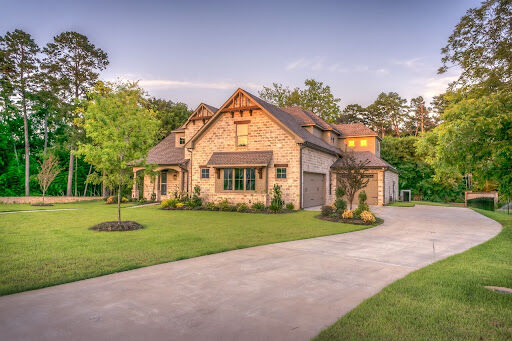
Upgrading your home's roof is a significant investment that can enhance your property's value, aesthetics, and structural integrity. Whether you're dealing with a leaking roof, seeking to improve energy efficiency, or simply want to update your home's look, a roof upgrade can be a complex yet rewarding process. Here are some useful tips to help you navigate this important home improvement project.
Assessing Your Roofing Needs
The first step in upgrading your roof is to thoroughly assess your current roofing needs. Start by inspecting the condition of your existing roof. Look for signs of wear and tear such as missing or damaged shingles, leaks, and areas where the roof appears to sag or warp. Consider hiring a professional roofer to conduct a detailed inspection, as they can identify issues that may not be visible to the untrained eye.
Next, determine the goals of your roof upgrade. Are you looking to improve your home's energy efficiency, enhance its curb appeal, or address specific structural problems? Knowing your priorities will help guide your decisions throughout the process. For instance, if energy efficiency is a primary concern, you might explore roofing materials with high insulation properties or options that can be integrated with solar panels. If aesthetics are a priority, focus on materials and styles that complement your home's architecture.
Choosing the Right Roofing Material
Selecting the right roofing material is crucial to the success of your roof upgrade. There are various options available, each with its own advantages and disadvantages. Common materials include asphalt shingles, metal roofing, wood shakes, and clay or concrete tiles. Asphalt shingles are popular due to their affordability and ease of installation, but they may not offer the same longevity as other materials. Metal roofing, while more expensive upfront, is durable and can last up to 50 years or more. It also offers excellent resistance to extreme weather conditions.
Wood shakes provide a natural, rustic look that can enhance the charm of certain architectural styles, but they require regular maintenance to prevent issues like rot and insect infestation. Clay and concrete tiles are highly durable and fire-resistant, making them ideal for hot climates, but their weight may necessitate additional structural support. When choosing a material, consider factors such as your budget, the local climate, and the overall aesthetic you wish to achieve. Consulting with a roofing professional can provide valuable insights into the best materials for your specific needs and conditions.
Hiring the Right Contractor
Hiring the right contractor is one of the most critical steps in your roof upgrade journey. A reputable contractor will ensure that your project is completed efficiently, safely, and to a high standard of quality. Start by seeking recommendations from friends, family, or neighbors who have recently had their roofs upgraded. Online reviews and ratings can also provide insights into a contractor's reputation and reliability.
When interviewing potential contractors, ask for their licensing and insurance information to ensure they are qualified and protected in case of accidents. Request references from past clients and take the time to follow up on them to gauge the contractor's workmanship and professionalism. Additionally, obtain detailed written estimates from multiple contractors to compare pricing, timelines, and the scope of work. Be wary of significantly low bids, as they may indicate subpar materials or workmanship.
A good contractor will communicate clearly and regularly, keeping you informed of progress and any potential issues that arise. They should also provide a comprehensive warranty that covers both materials and labor, giving you peace of mind that your investment is protected.
Customized Roofing Solutions
Customized roofing solutions for residential projects cater specifically to the unique needs and preferences of homeowners. These solutions involve tailoring roofing materials, styles, and installation techniques to fit the aesthetic and functional requirements of individual homes. For residential projects, customization allows homeowners to choose materials that complement their home's architectural style and color palette, ensuring a cohesive and attractive appearance. Furthermore, customized solutions for residential projects can address specific challenges such as irregular roof shapes or environmental considerations like local climate and weather patterns. By opting for customized roofing solutions, homeowners can achieve not only enhanced curb appeal but also improved energy efficiency and long-term durability for their residential properties.
Maintenance and Long-Term Care
Once your new roof is installed, proper maintenance is essential to ensure its longevity and performance. Establish a regular maintenance schedule that includes inspecting the roof for any signs of damage or wear, such as loose shingles, debris buildup, or flashing issues. Clearing gutters and downspouts regularly can prevent water from pooling and causing damage to the roof and underlying structure. Additionally, trim overhanging branches to prevent them from rubbing against the roof and causing abrasion or damage during windy conditions. Consider scheduling professional inspections annually or biannually to catch any potential issues early and extend the lifespan of your roof.
Financing and Budgeting Considerations
Financing a roof upgrade can be a significant consideration for homeowners. Explore financing options such as home equity loans, personal loans, or financing plans offered by roofing contractors. Research available tax incentives or rebates for energy-efficient roofing materials or improvements, which can help offset the initial cost. When budgeting for your project, factor in not only the cost of materials and labor but also any potential unexpected expenses that may arise during the installation or due to unforeseen issues. Planning and budgeting carefully will help you manage your finances effectively and ensure a smooth and successful roof upgrade process.
Upgrading the roof of your home is a substantial investment that can enhance both its functionality and aesthetic appeal. By following these tips on assessing your roofing needs, choosing the right materials, hiring a reliable contractor, considering customized solutions, and planning for maintenance and financing, you can navigate the roof upgrade process with confidence. Remember, a well-maintained roof not only protects your home and its occupants but also adds value and peace of mind for years to come.
Related Article:
The Benefits of Roof Coatings: Extend the Lifespan of Your Roof

(0) comments
We welcome your comments
Log In
Post a comment as Guest
Keep it Clean. Please avoid obscene, vulgar, lewd, racist or sexually-oriented language.
PLEASE TURN OFF YOUR CAPS LOCK.
Don't Threaten. Threats of harming another person will not be tolerated.
Be Truthful. Don't knowingly lie about anyone or anything.
Be Nice. No racism, sexism or any sort of -ism that is degrading to another person.
Be Proactive. Use the 'Report' link on each comment to let us know of abusive posts.
Share with Us. We'd love to hear eyewitness accounts, the history behind an article.