

Preventive measures are often overlooked until disaster strikes. Homeowners, particularly those new to owning a home, should be well-versed in maintaining their homes to avoid costly repairs. This blog will guide you through essential steps to keep your home in top shape.
Why Preventive Home Maintenance Matters
Regular home maintenance is crucial for various reasons. Primarily, it saves you money by helping you avoid the need for costly repairs. Minor issues, when left unattended, can escalate into significant problems that require extensive and expensive solutions. Additionally, routine maintenance ensures your home remains safe and comfortable for you and your family. Small things like checking for water leaks or maintaining your HVAC system can prevent hazardous situations like mold growth or equipment failure. Moreover, proactive maintenance contributes to the longevity of your home’s structural integrity and systems, ultimately preserving and potentially increasing the value of your property. Neglecting these tasks might lead to significant issues that could cost thousands of dollars to repair, interrupting your daily life and causing unnecessary stress. Therefore, dedicating time to regular home upkeep is not just a practical approach but also a wise investment in your overall well-being and financial security.
Inspect Your Roof Regularly
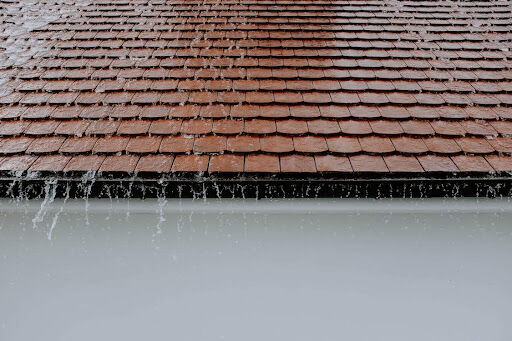
Your roof is the first line of defense against weather elements. Conducting regular inspections can help you spot issues early. Look for missing shingles, cracks, or any signs of wear and tear. Catching these problems early can prevent leaks and water damage.
Clean Gutters and Downspouts
Clogged gutters can lead to water damage and even foundation issues. Ensure you clean your gutters and downspouts at least twice a year. Removing leaves, dirt, and debris will allow water to flow freely, protecting your home from potential water damage.
Check for Water Leaks
Water leaks can cause significant damage if not addressed promptly. Regularly inspect areas prone to leaks, such as under sinks, around toilets, and near appliances like dishwashers and washing machines. Repairing small leaks can save you from the headache of dealing with extensive water damage later.
Get High-Quality Roofing
Investing in high-quality roofing materials and professional installation is crucial. It might seem expensive initially, but it pays off in the long run. Looking for quality roofing in Rochester can withstand harsh weather conditions, providing better protection and lasting longer than cheaper alternatives. This can save you from expensive repairs and replacements down the road.
Maintain Your HVAC System
Your heating and cooling system needs regular check-ups to work efficiently. Change air filters every 1-3 months and schedule annual professional maintenance. This keeps your system running smoothly and extends its lifespan, preventing costly repairs or replacements.
Inspect and Seal Windows and Doors
Drafty windows and doors can lead to higher energy bills. Inspect and seal any gaps or cracks around them to improve energy efficiency. This simple step can prevent moisture from entering your home, reducing the risk of mold and mildew growth.
Test Smoke and Carbon Monoxide Detectors
Safety is paramount. Ensure your smoke and carbon monoxide detectors are working correctly. Test them monthly and replace batteries at least once a year. These devices can save lives and prevent costly damage by alerting you to potential hazards early.
Check Your Foundation
The foundation is essential for your home's structural integrity. Inspect it for cracks or signs of shifting. Addressing foundation issues early can prevent severe structural damage and costly repairs. If you notice any problems, consult a professional immediately.
Clean Dryer Vents
Clogged dryer vents are a fire hazard. Clean your dryer vents regularly to ensure they are free of lint and debris. This not only reduces fire risk but also keeps your dryer running efficiently, potentially saving on energy costs.
Maintain Your Plumbing System

Your plumbing system requires regular maintenance to prevent leaks and clogs. Inspect exposed pipes for corrosion or leaks and ensure drains are flowing freely. Addressing minor plumbing issues promptly can prevent more significant problems down the line.
Trim Trees and Shrubs
Overgrown trees and shrubs can damage your home’s exterior and roof. Regularly trim branches away from your house to prevent them from causing damage during storms. Additionally, this helps prevent pests from using branches as a bridge into your home.
Repaint and Caulk
Repainting and caulking as needed can prevent moisture from seeping into your home's structure, which can lead to wood rot, mold, and other forms of damage. This process is more than just an aesthetic upgrade; it acts as a barrier against the elements, safeguarding the materials that make up your home. Regularly check for peeling or cracking paint, especially in areas exposed to harsh weather conditions. Applying a fresh coat of paint and re-sealing any gaps or cracks with caulk can enhance the lifespan of your siding and trim, reducing the need for more extensive repairs down the line. Moreover, maintaining the exterior not only keeps your home looking fresh and well-cared for but can also increase its overall market value. Properly sealing gaps with caulk also helps in improving your home's energy efficiency by preventing drafts, thus potentially reducing your energy bills. This simple maintenance task is a small investment that can pay significant dividends in the long run.
Schedule Professional Inspections
Sometimes, it's best to leave it to the experts. Schedule professional inspections for your roof, HVAC system, plumbing, and electrical systems annually. Professionals have the expertise and tools to spot issues that you might overlook. For instance, a professional roofer can identify potential weak spots that could become major leaks over time, while an HVAC technician can ensure your system is running efficiently and safely. Additionally, plumbers can detect early signs of leaks or pipe corrosion that may lead to water damage, and electricians can check for wiring issues that pose fire hazards. By investing in these annual inspections, you not only prevent expensive repairs but also ensure the safety and longevity of your home’s essential systems. This proactive approach provides peace of mind, knowing that you're taking comprehensive steps to maintain and protect your home.
Preventing costly home repairs boils down to regular maintenance and prompt attention to issues. By following these steps, you can save money, keep your home safe, and enjoy peace of mind. Don’t wait for problems to escalate—take action now to protect your investment.


(0) comments
We welcome your comments
Log In
Post a comment as Guest
Keep it Clean. Please avoid obscene, vulgar, lewd, racist or sexually-oriented language.
PLEASE TURN OFF YOUR CAPS LOCK.
Don't Threaten. Threats of harming another person will not be tolerated.
Be Truthful. Don't knowingly lie about anyone or anything.
Be Nice. No racism, sexism or any sort of -ism that is degrading to another person.
Be Proactive. Use the 'Report' link on each comment to let us know of abusive posts.
Share with Us. We'd love to hear eyewitness accounts, the history behind an article.